The hygiene scenario in catering & canteens
At shift changes many staff must enter quickly; the hygiene step must be made mandatory without slowing this flow.
-
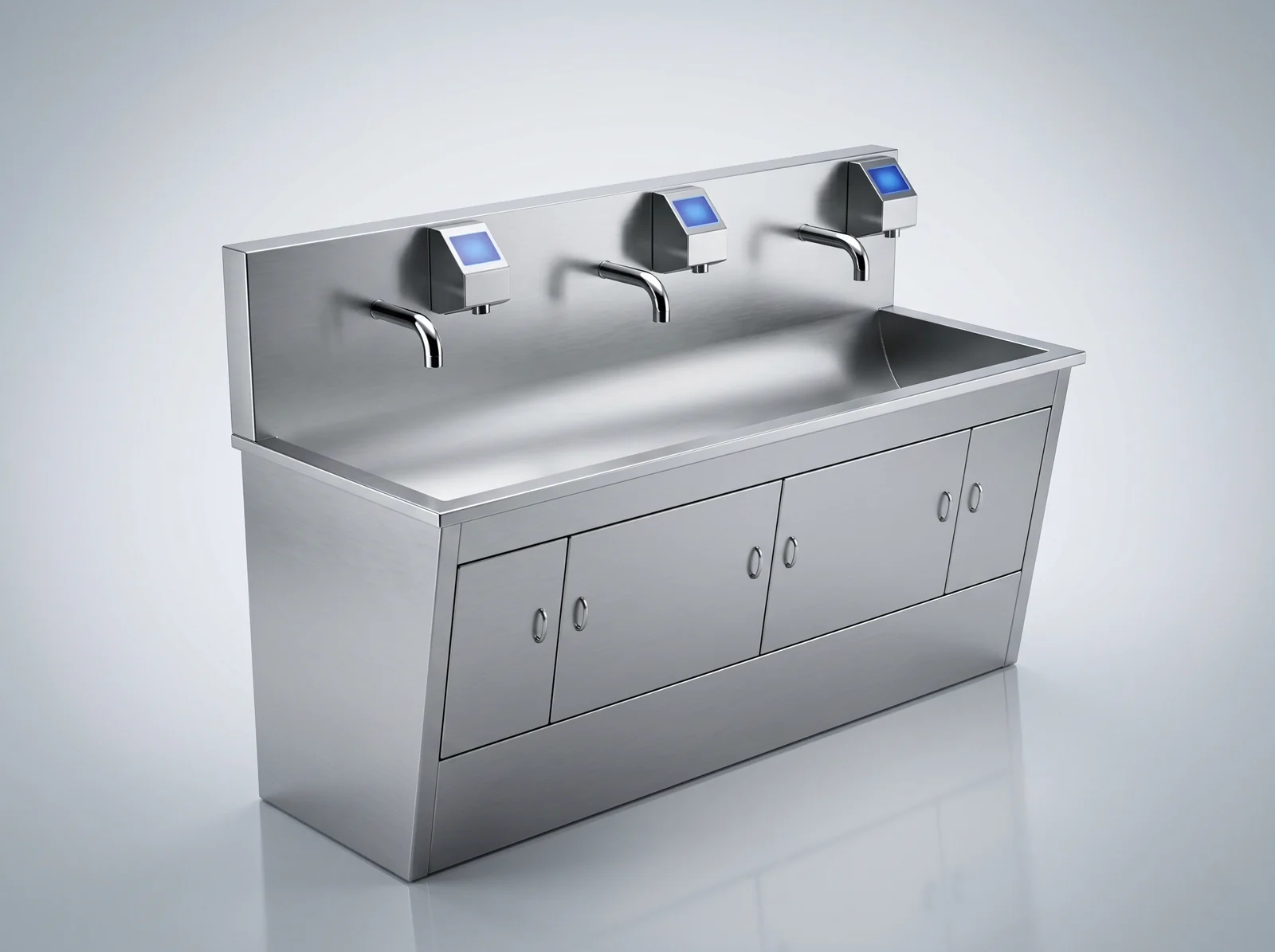
High headcount and fast entry call for sensor hygiene units that do not reduce throughput.
-
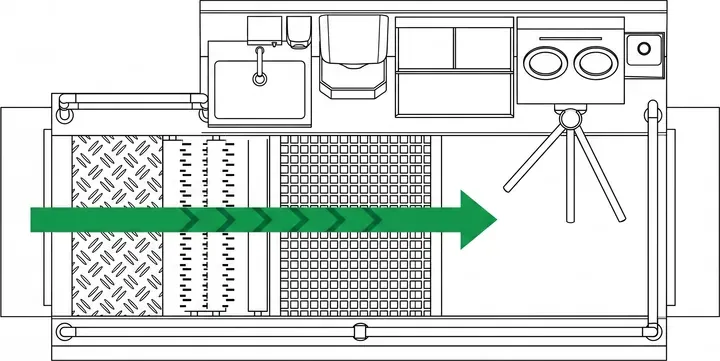
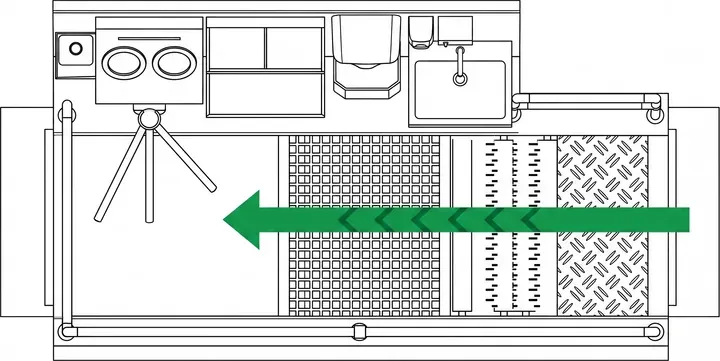
Hand disinfection and a turnstile crossing at the kitchen entrance secure hygiene before food preparation.
-
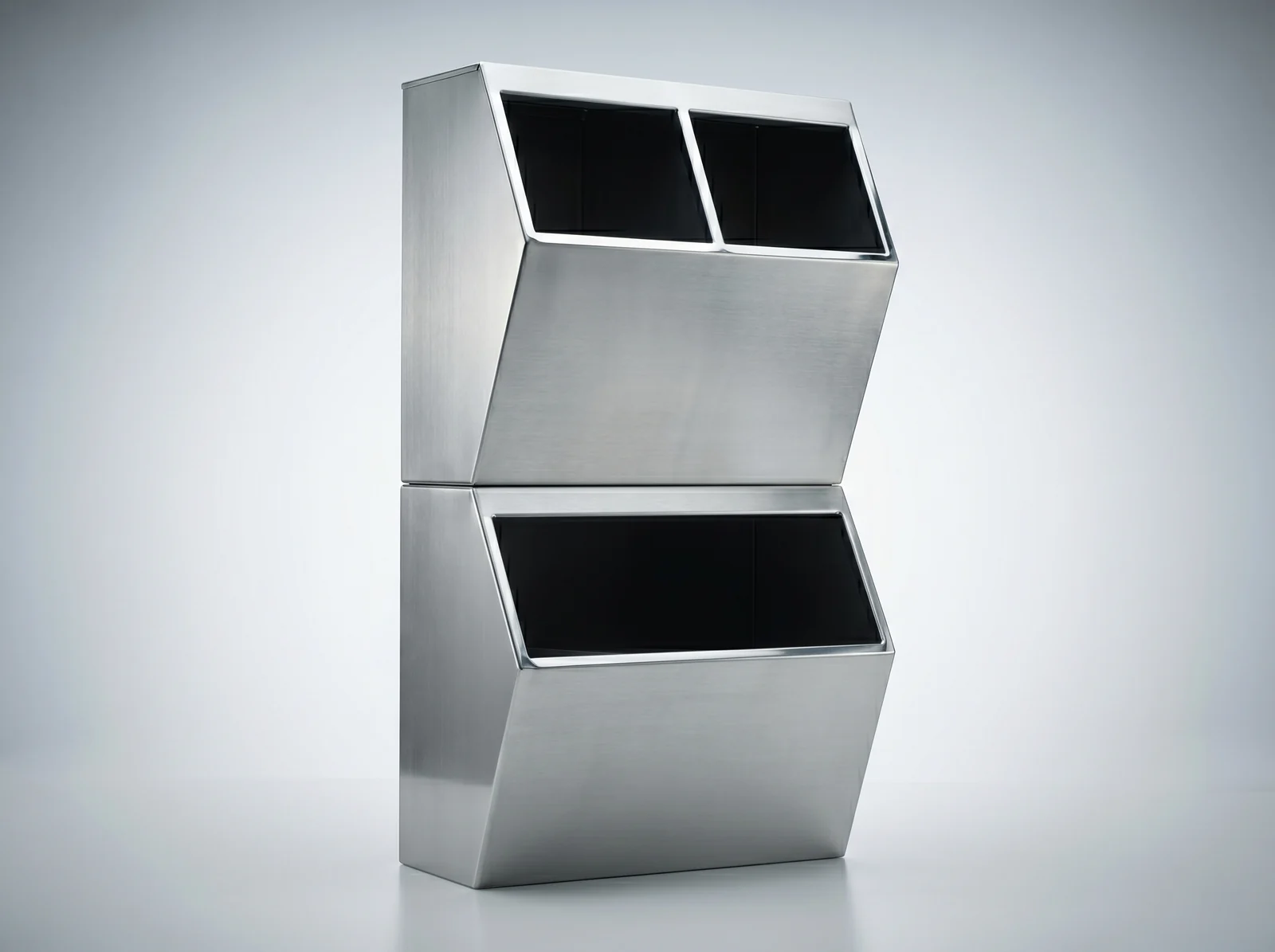
Bonnet and mask dispenser units complete staff gowning at the entry point.
-
AISI 304 stainless surfaces suit heavy use and frequent cleaning.
The compliance framework in catering
- Food Hygiene Regulation and Turkish Food Codex: personnel hygiene, hand-washing facilities and protective clothing are mandatory in mass-catering premises; staff training must be certified under the Hygiene Training Regulation.
- HACCP and ISO 22000: in catering and central kitchens the personnel entrance is an audited point of the prerequisite programme; evidence that hand hygiene was actually performed at shift start is expected.
- Corporate customer audits: hospital, school, airline and hotel chains want to see entrance hygiene applied in supplier audits; a turnstile crossing shows the step was not skipped.
- Hygienic design: because of heavy use and frequent cleaning, surfaces must be non-porous and corrosion-resistant; an AISI 304 body withstands the kitchen’s cleaning chemicals, and a non-porous, correctly finished surface is easy to clean and reduces microbial harbourage.
- Peak load and flow: at shift change dozens of staff must enter within minutes. The number of lanes and washbasin stations should follow this peak flow; if a queue forms, it must be assumed that hygiene steps will be rushed, and staggered entry should be planned where needed.
- Visitor and supplier entry: technicians, suppliers and auditors entering the kitchen must pass through the same hygiene line. A one-way turnstile and the BM set standardise the procedure for non-staff entries as well and prevent exceptions.
Recommended entry configuration
The configuration we recommend at a kitchen entrance makes hygiene mandatory without slowing the rush at shift start; the lane count and the number of washbasin stations follow the number of staff entering at once and are settled together on the kitchen plan at the quotation stage.
- LVS-L3 — floor-standing, 3-station sensor-operated hand washbasin: lets three people wash hands at once and prevents a queue in front of the turnstile; sensor water and soap keep washed hands from touching the tap again.
- BM Set — hairnet, mask and overshoe station: dispenses protective equipment at the entry point in an orderly, complete way; a waste bin for used items is placed at the same point.
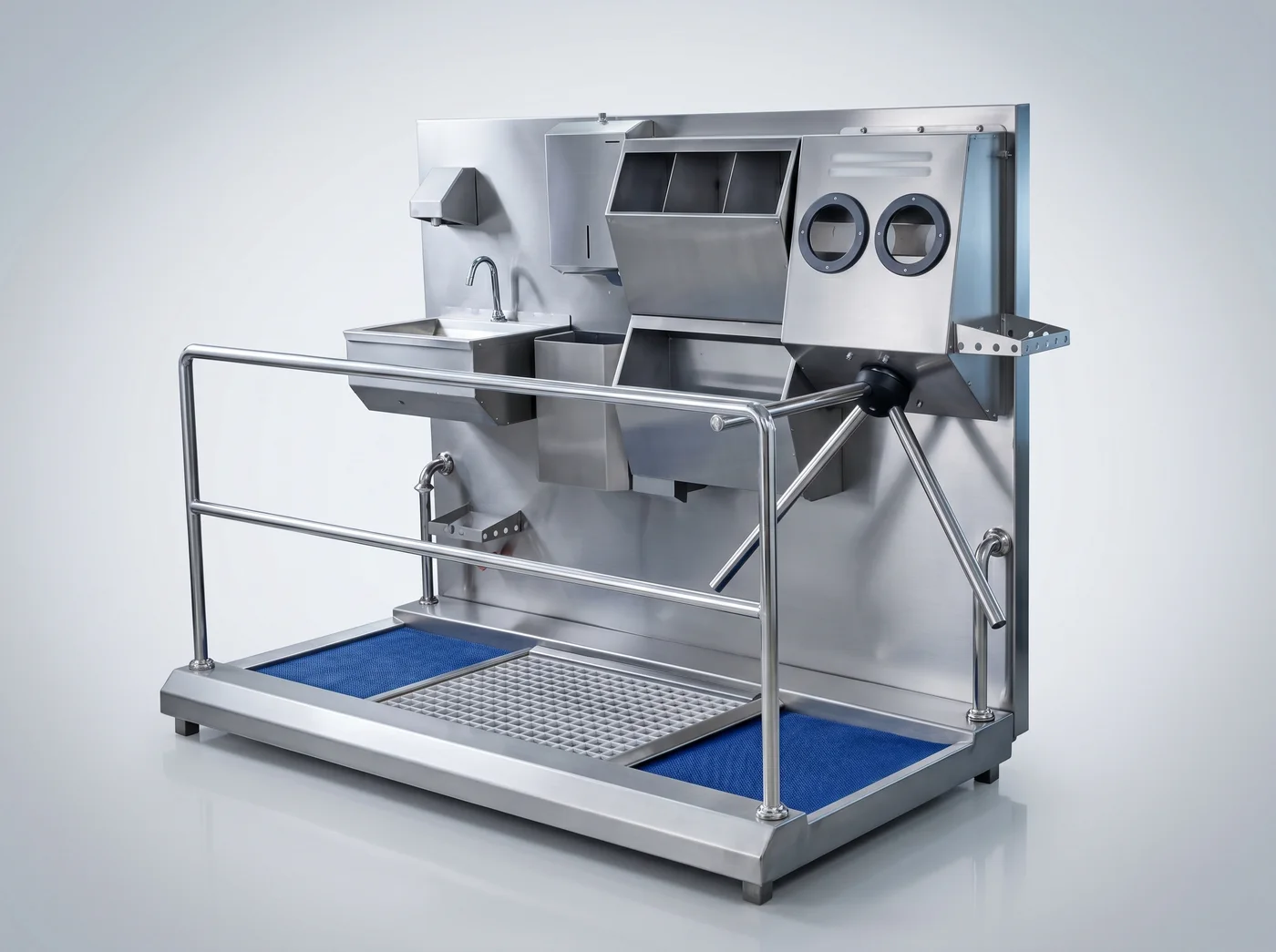
- HGE-L — footbath, washbasin, fully equipped: at the main kitchen entrance it combines hand washing, dual-hand disinfection and sole disinfection with the turnstile; the PPE dispenser offers protective equipment on the same line.
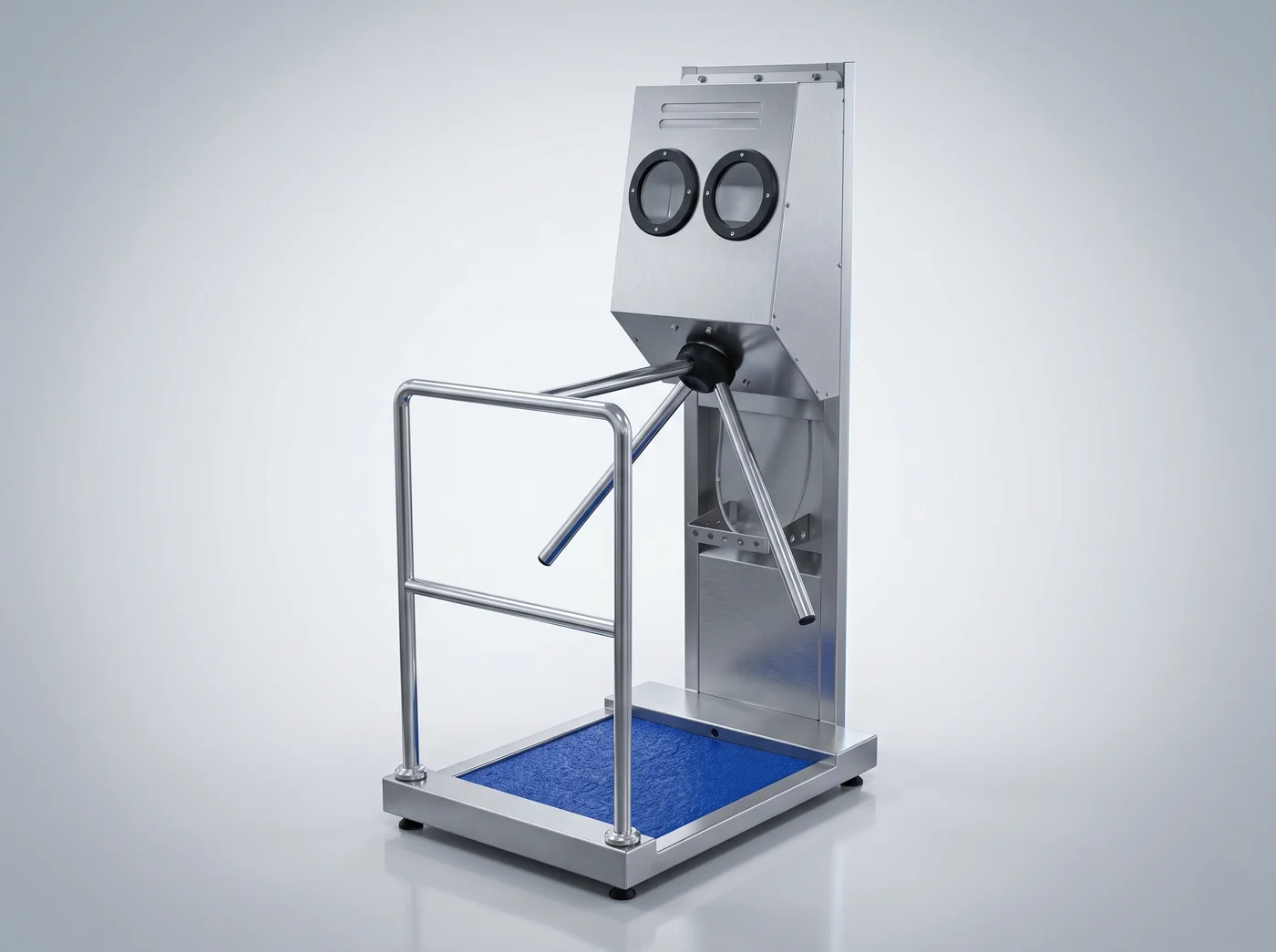
- HGE — footbath entry: a compact solution for hand and sole disinfection at secondary entrances; its short body takes little space in narrow corridors.
- Hygiene mat: reduces floor-borne load at storage and service doors; the disinfectant is renewed daily and logged on the checklist.
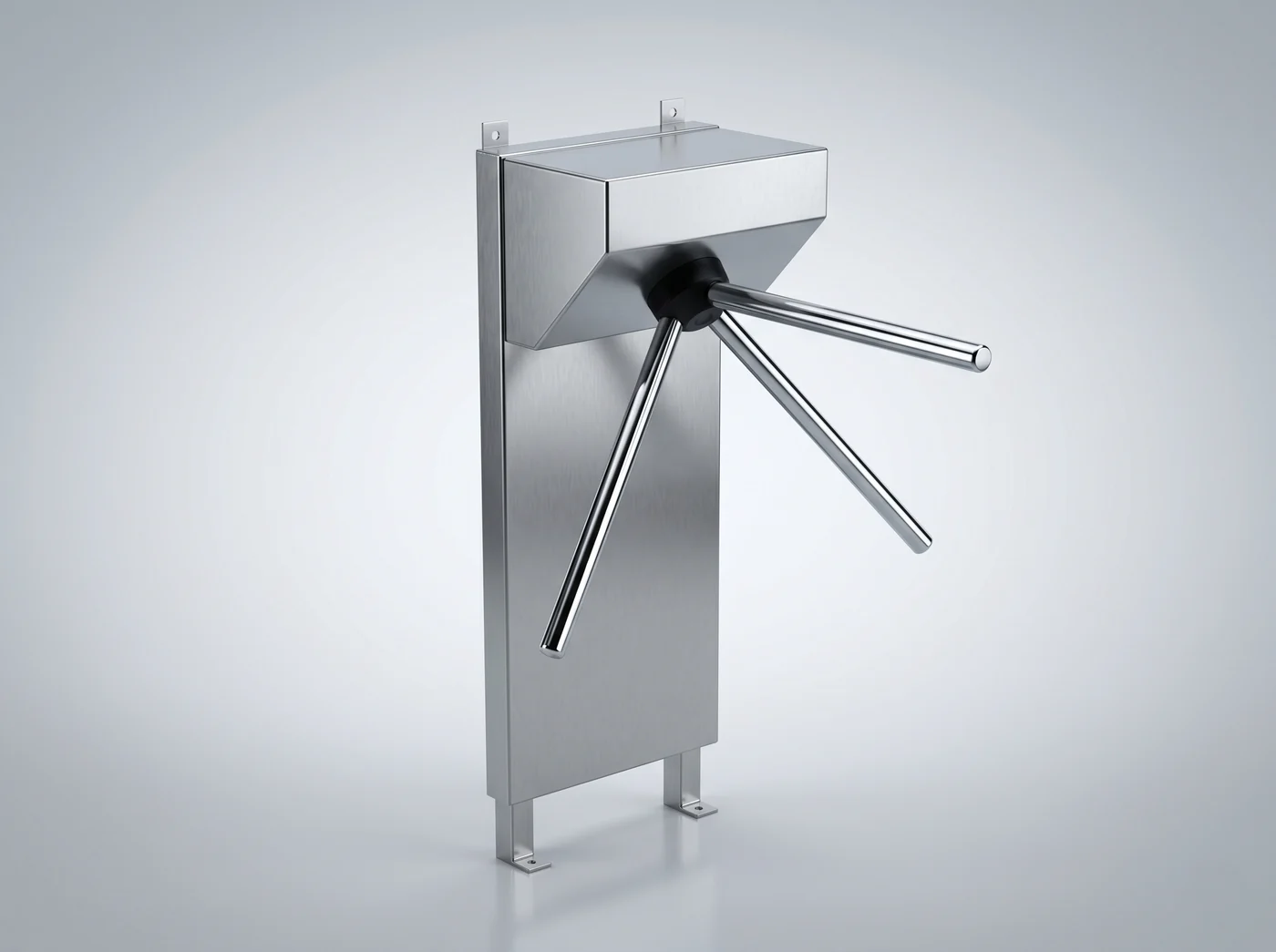
- TRN — one-way turnstile: separates the service exit and blocks passage in the wrong direction; the counting option records passages per shift.
Recommended units for this sector
Hygiene units frequently chosen for Catering & Canteens facilities.

Common questions in this sector
Does a turnstile slow the flow at a busy kitchen entrance?
A correctly sized tripod turnstile releases after the hygiene step is complete, creating an auditable entry. Busy entrances can pair it with multi-station industrial hand washbasins.
How many hand-washing stations are needed at a kitchen entrance?
The number of staff entering at once is the deciding factor. For busy shift changes, multi-station (2–3) sinks prevent a bottleneck; for smaller entries a single station may suffice.
How is bonnet and mask dispensing standardised at the entry point?
PPE dispensers (BM/BGM) for hairnets, masks and, if needed, overshoes, plus a waste bin for used items, are placed at the entry point so staff pick up gear in an orderly, complete way during entry.