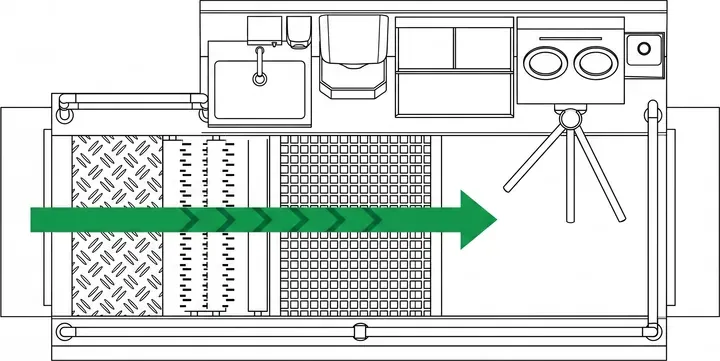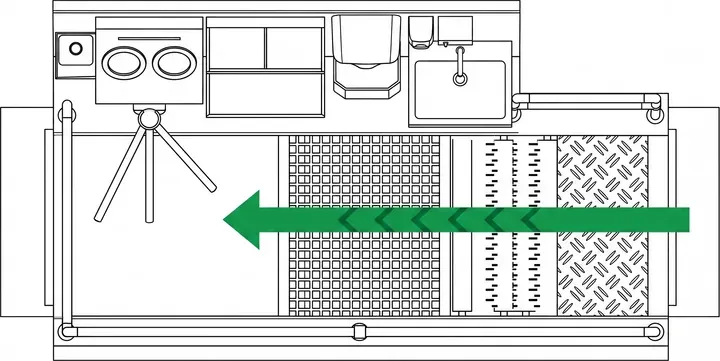
Compare Hygiene Station Models
12 models — each configured and priced for your facility.
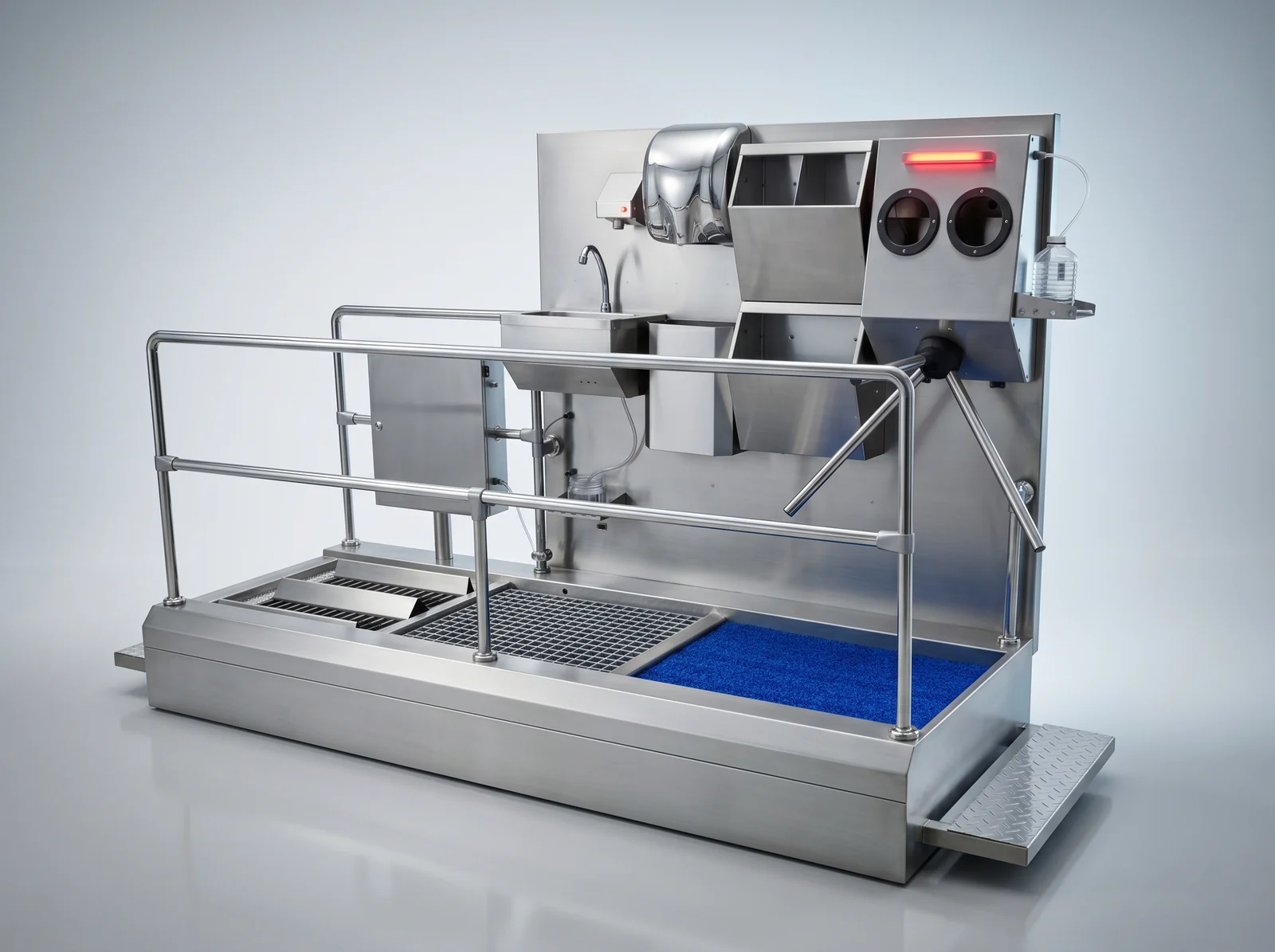
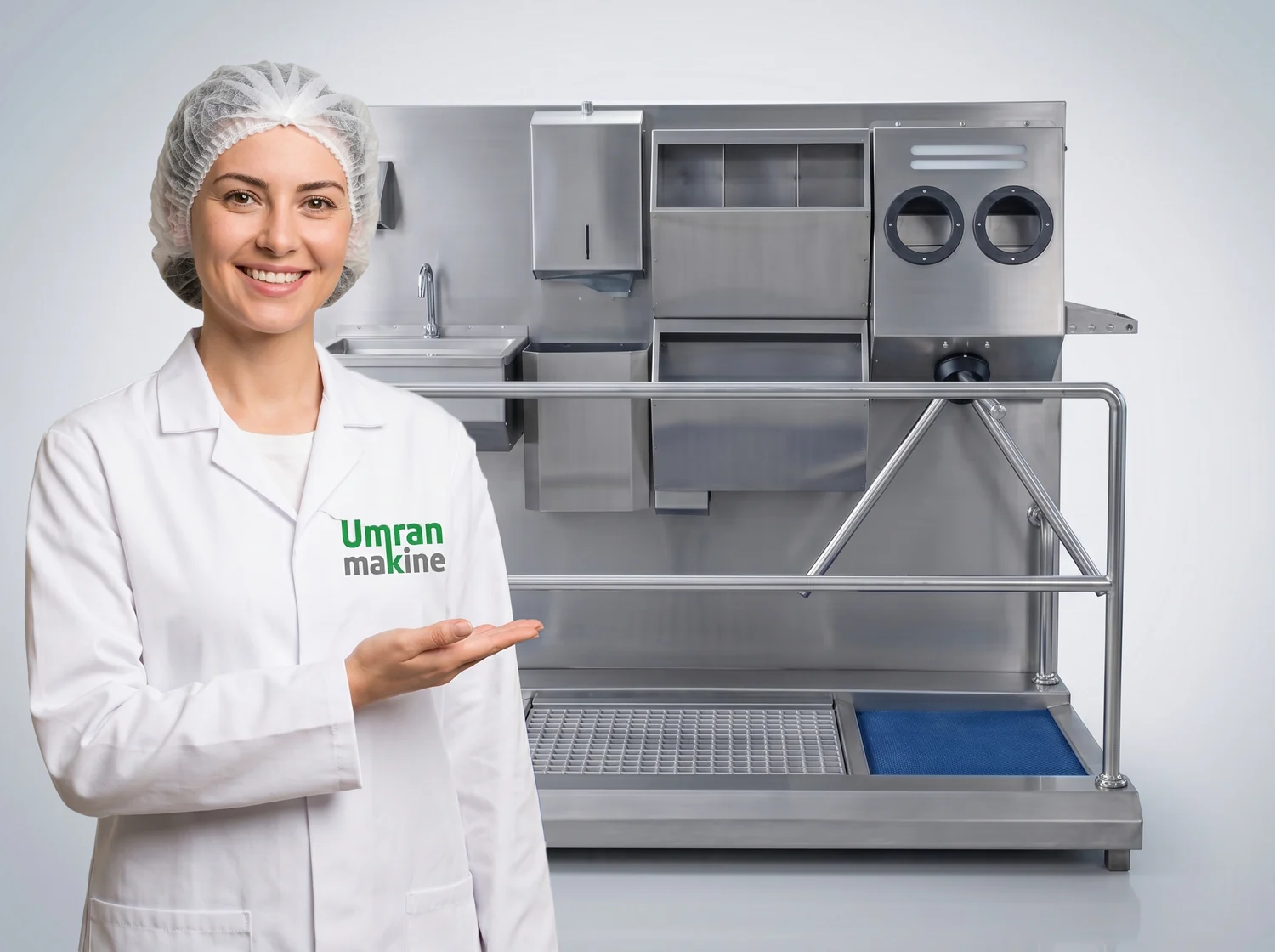
Which hygiene station includes which equipment?
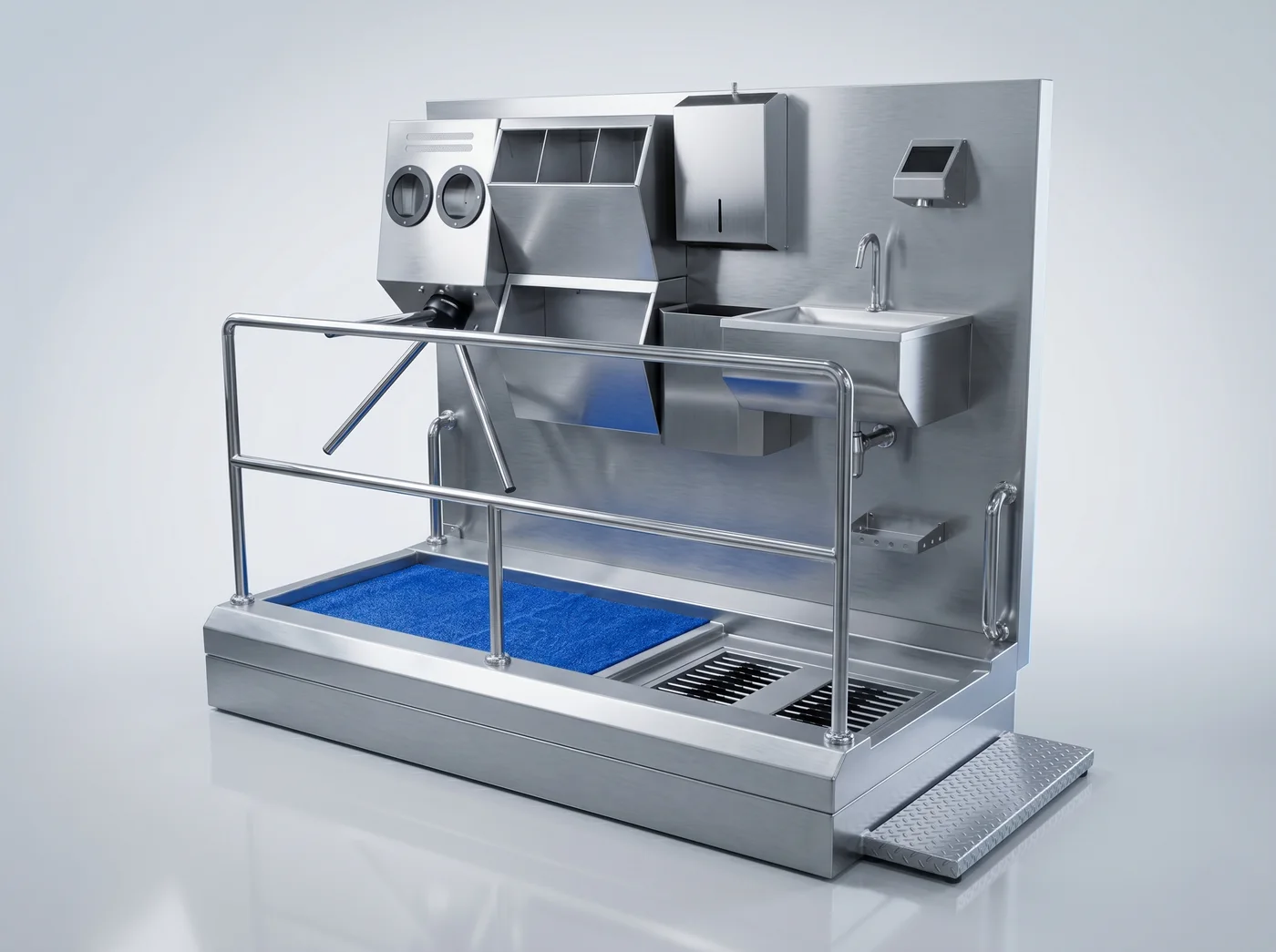
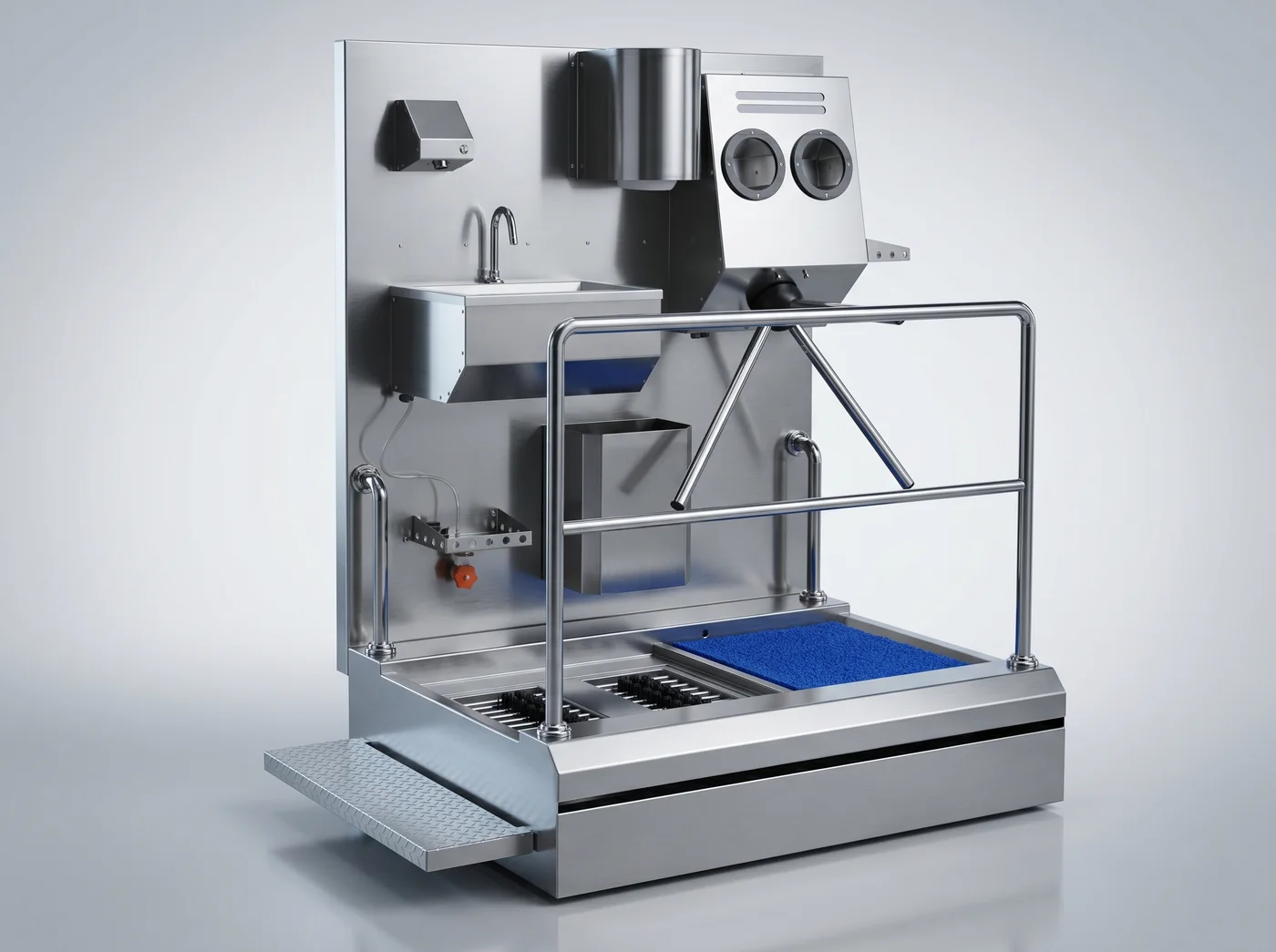
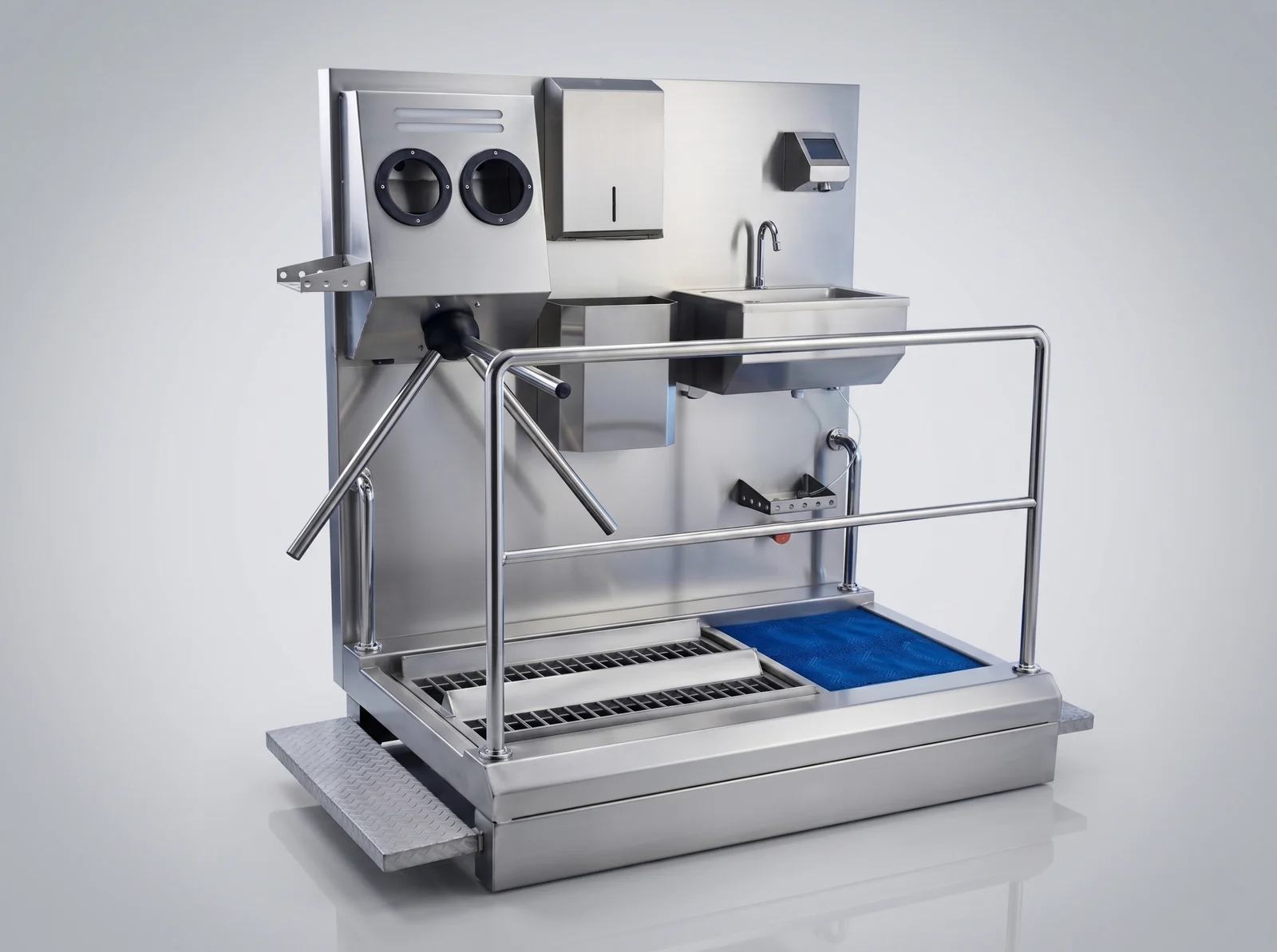
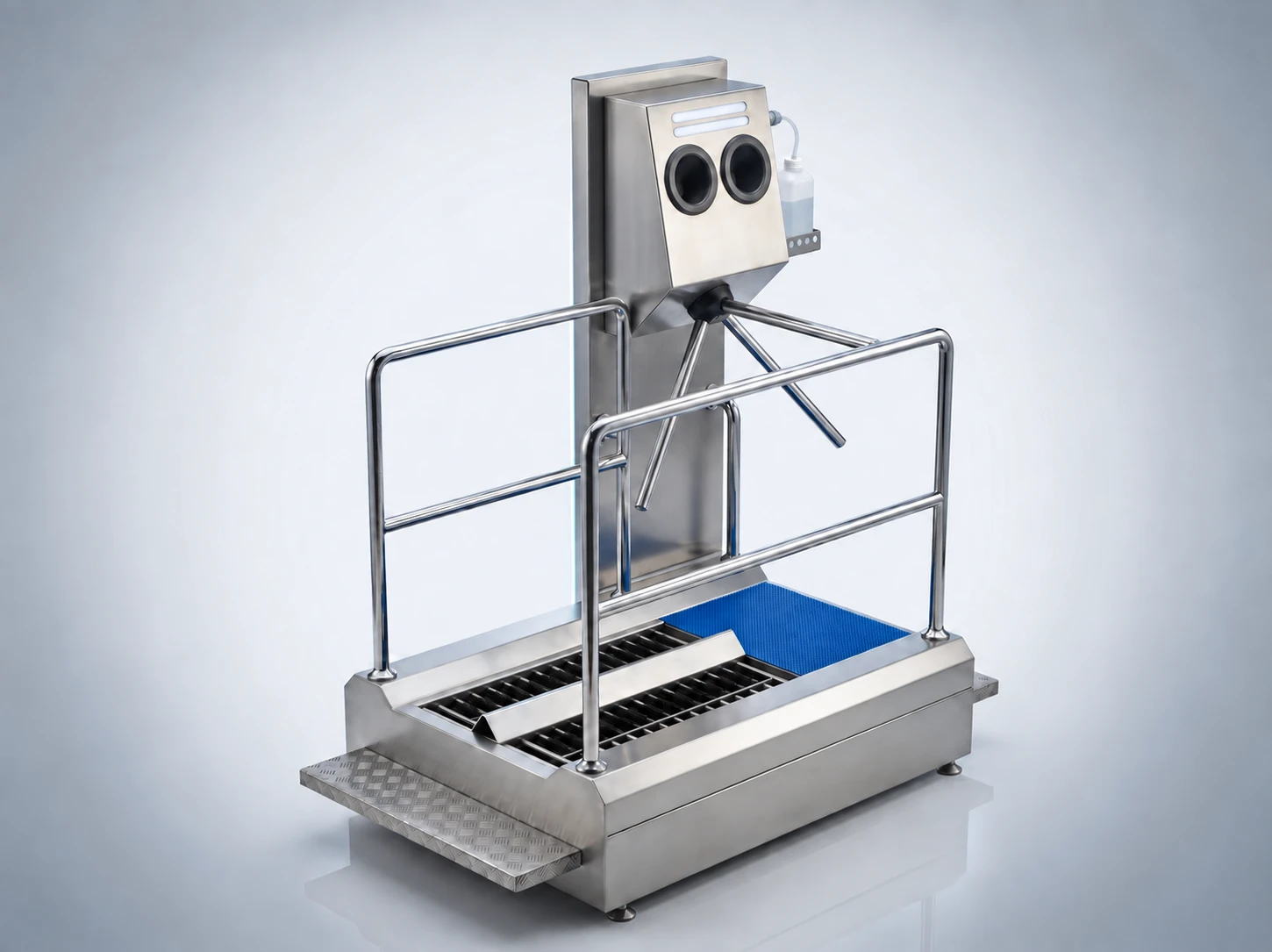
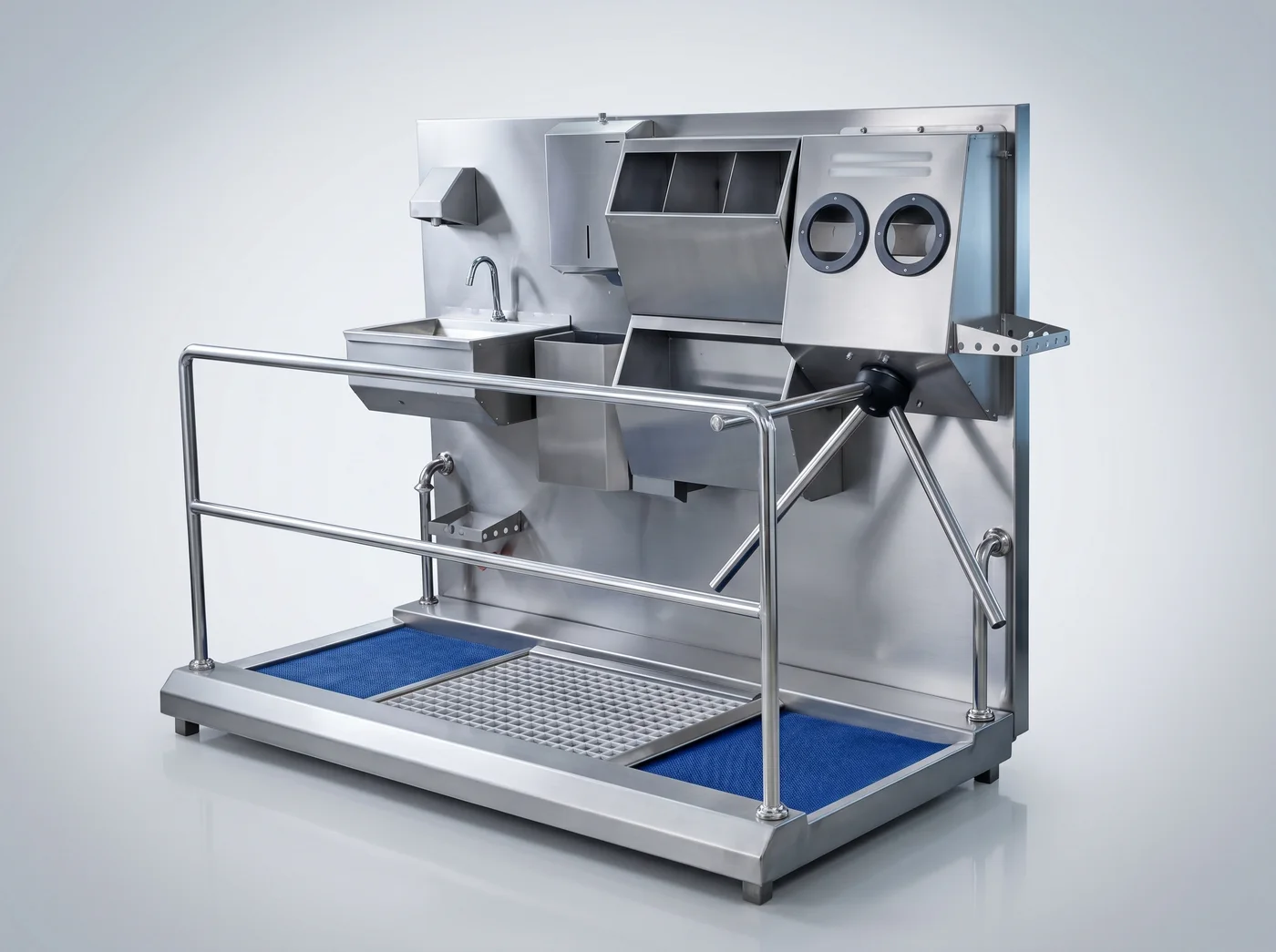
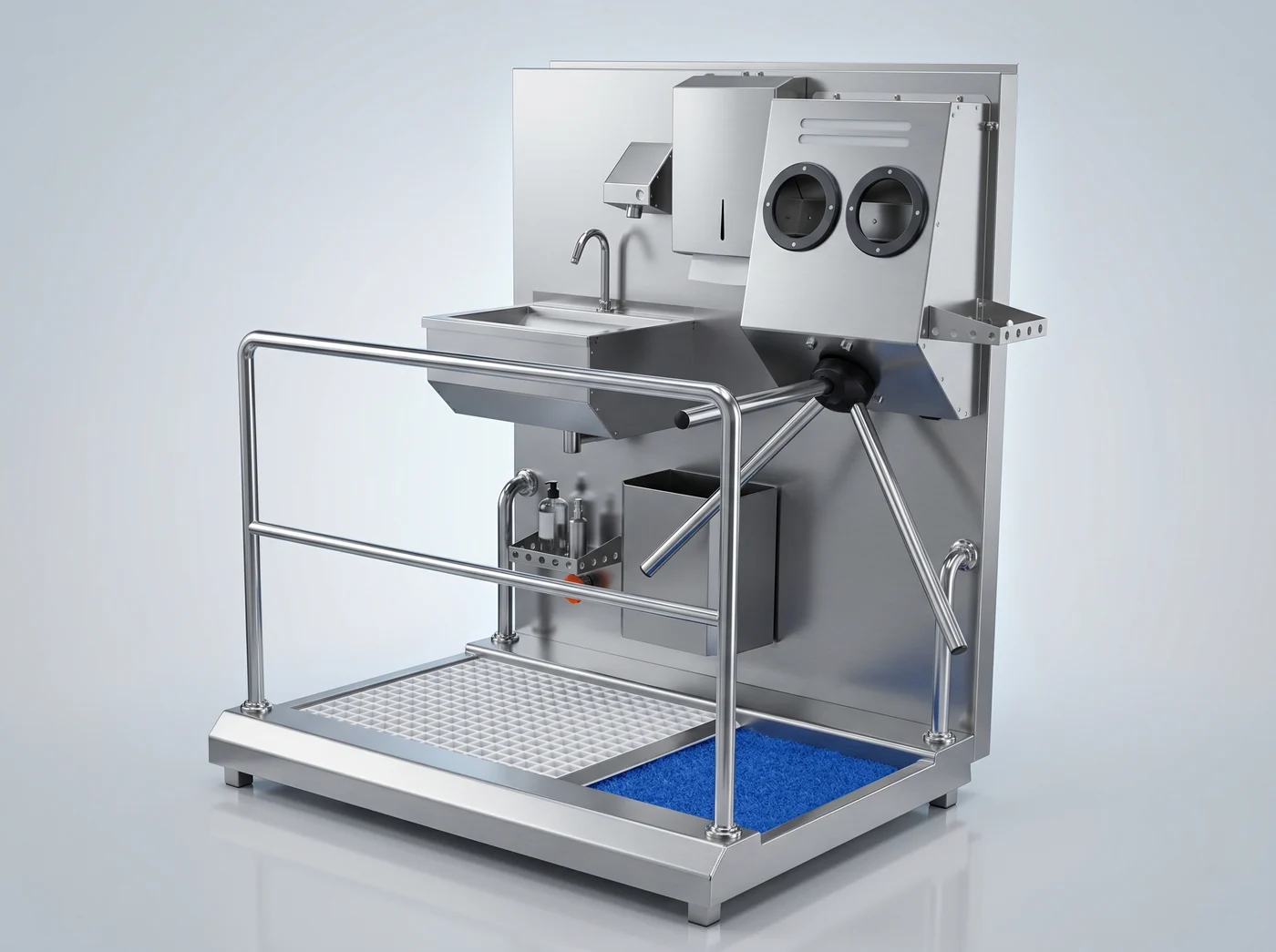
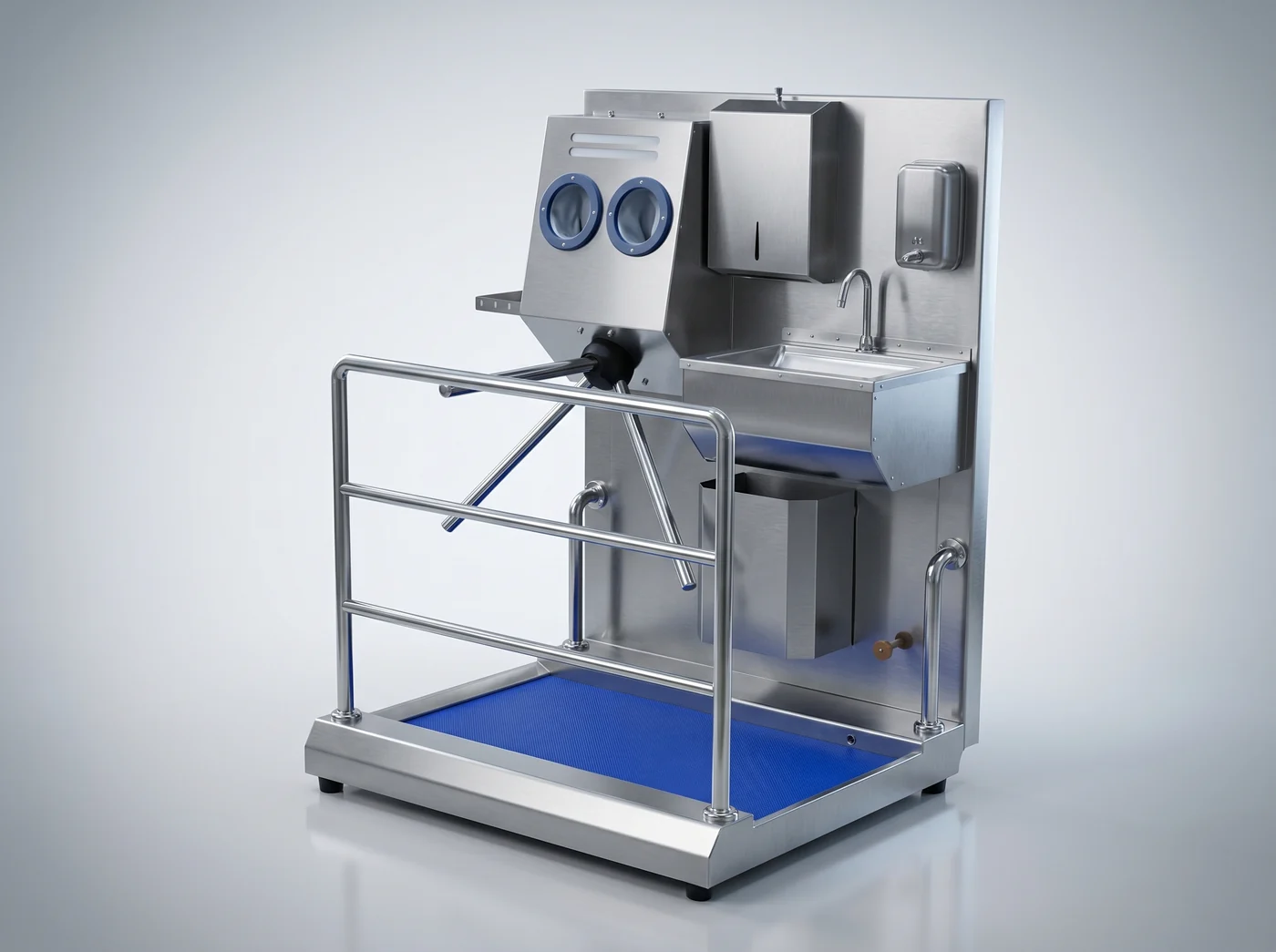
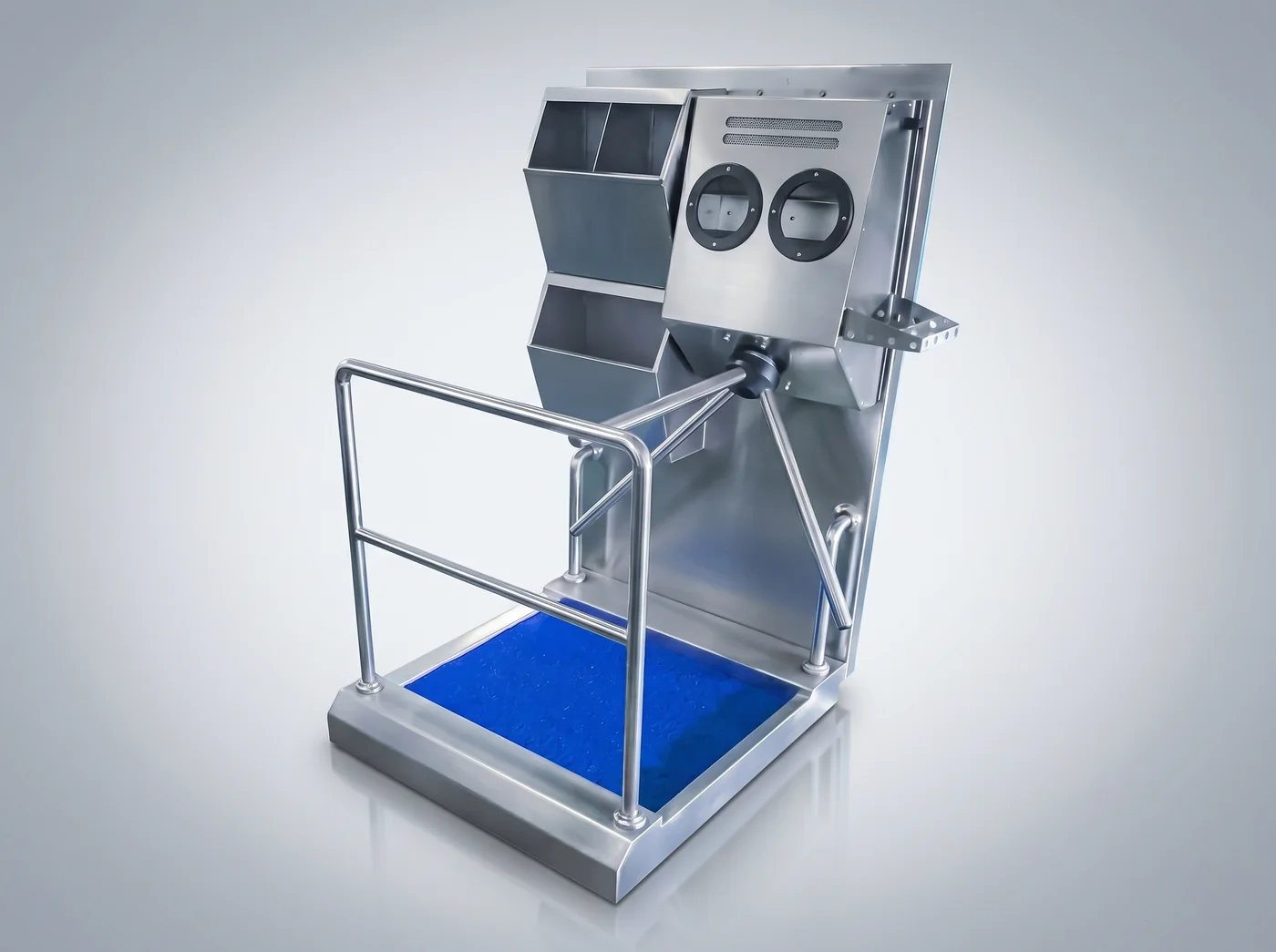
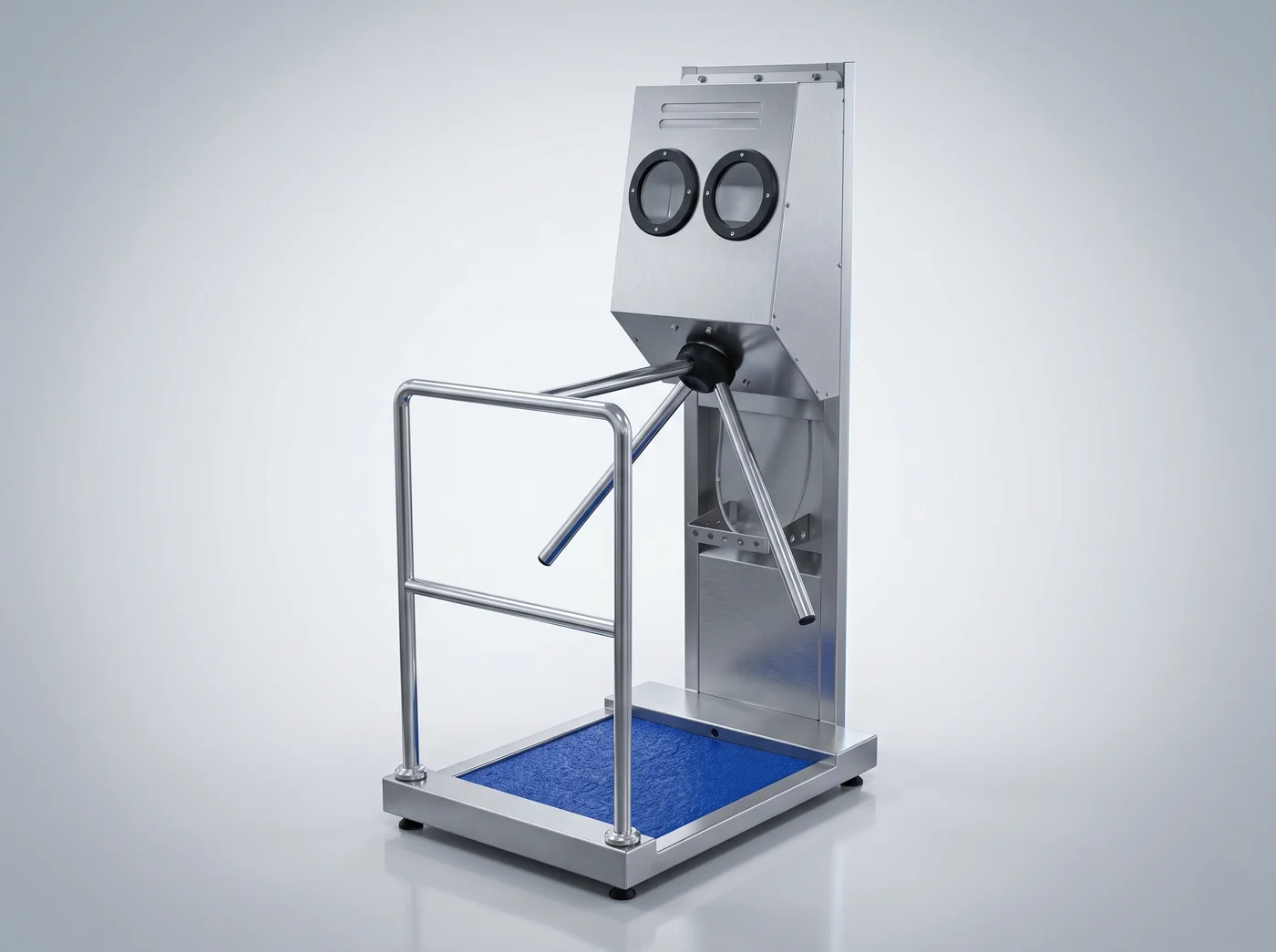
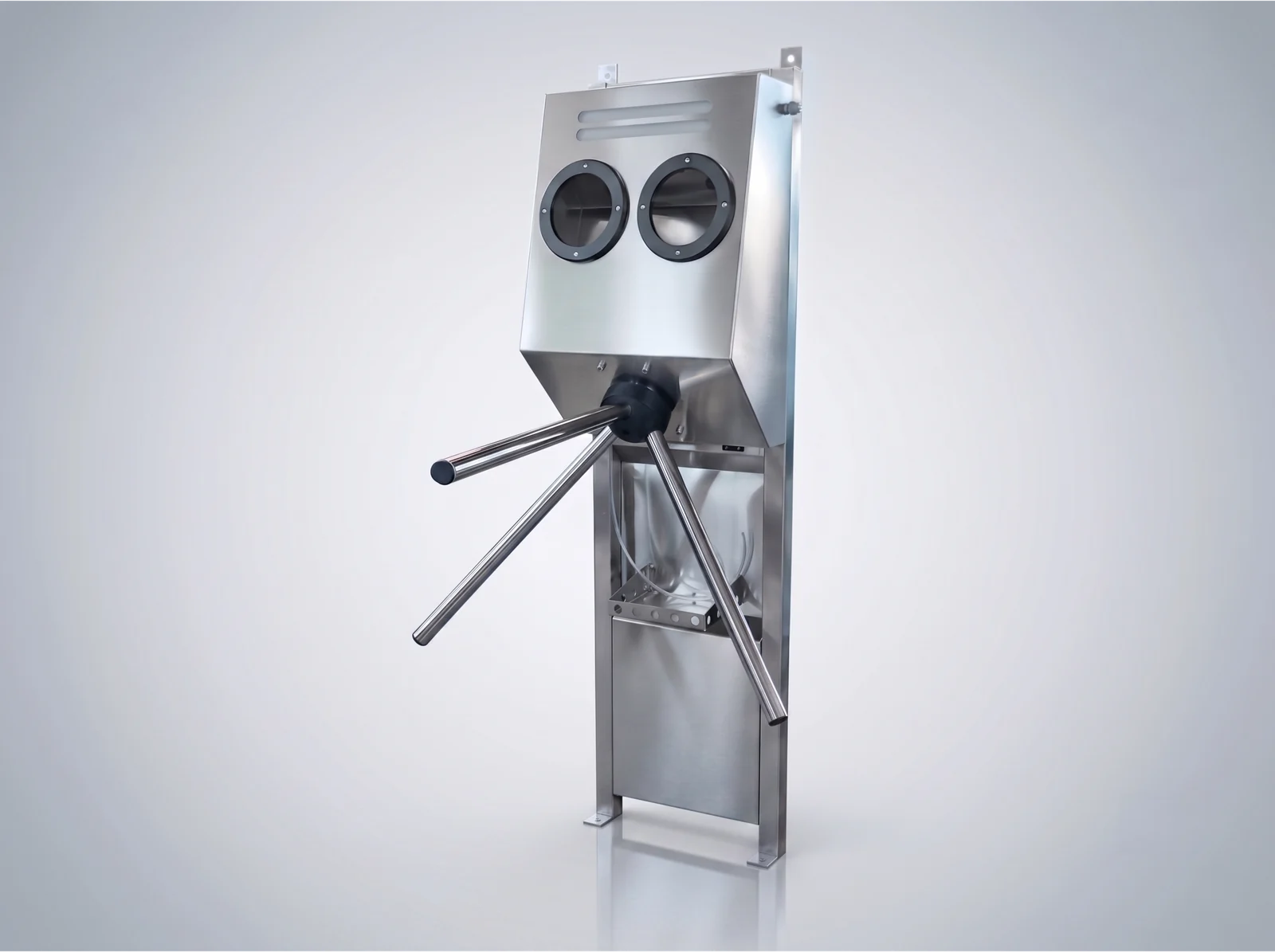
Compare DSE-B for sole brushing and hand disinfection; consider DSE-EB, HGB-M or HGB-L when handwashing is also required in the same passage. HGE-M, HGE-M1 and HGE-L combine a footbath with a sink. HGS-EB combines sole brushes and a disinfectant footbath with handwashing and PPE dispensing. Select the model against the available corridor dimensions and the facility's hygiene procedure.
| Model | Length | Washbasin | Sole cleaning | PPE dispenser | Brush chamber | Weight | Capacity | Details |
|---|---|---|---|---|---|---|---|---|
| HGS-EB Hygiene Station — Boot Brush, Footbath & Washbasin, Fully Equipped | 300 cm | Yes | Brush + footbath | Yes | 600 mm | ~290 kg | ~4–6 people/min | View |
| HGB-L Hygiene Station — Boot Brush, Washbasin & PPE Dispenser | 230 cm | Yes | Boot-brush | Yes | 500 mm | ~230 kg | ~4–6 people/min | View |
| HGB-M Hygiene Station — Boot Brush & Washbasin, Compact | 160 cm | Yes | Boot-brush | — | 500 mm | ~180 kg | ~4–6 people/min | View |
| DSE-EB Hygiene Station — Variable Brush Length & Washbasin | 150/170/190 cm | Yes | Boot-brush | — | 400/600/800 mm | ~165 / 180 / 195 kg | ~4–6 people/min | View |
| DSE-B Hygiene Station — Variable Brush Length | 150/170/190 cm | — | Boot-brush | — | 400/600/800 mm | ~135 / 150 / 165 kg | ~4–6 people/min | View |
| HGE-L Hygiene Station — Footbath, Washbasin & PPE Dispenser | 180 cm | Yes | Footbath | Yes | — | ~170 kg | ~4–6 people/min | View |
| HGE-M1 Hygiene Station — Footbath & Washbasin, Compact | 140 cm | Yes | Footbath | — | — | ~145 kg | ~4–6 people/min | View |
| HGE-M Hygiene Station — Footbath & Washbasin | 120 cm | Yes | Footbath | — | — | ~125 kg | ~4–6 people/min | View |
| HGE-S Hygiene Station — Footbath & PPE Dispenser | 95 cm | — | Footbath | Yes | — | ~95 kg | ~4–6 people/min | View |
| HGE Hygiene Station — Footbath Entry | 70 cm | — | Footbath | — | — | ~85 kg | ~4–6 people/min | View |
| DSE Hygiene Turnstile — Dual-Hand Disinfection | 70 cm | — | — | — | — | ~70 kg | ~4–6 people/min | View |
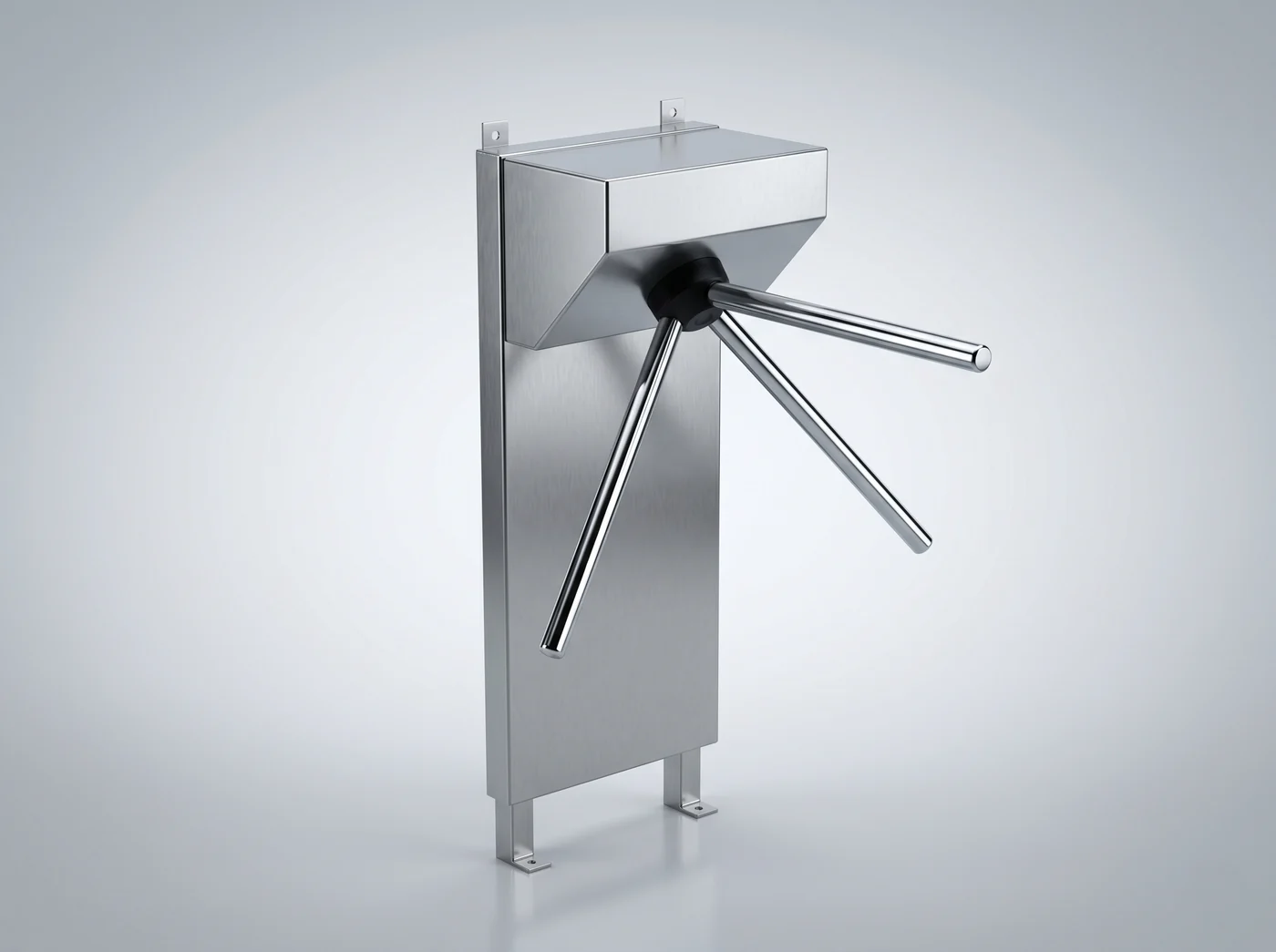
| TRN One-Way Turnstile | 70 cm | — | — | — | — | ~45 kg | ~15–20 people/min | View |
What does a hygiene station do?
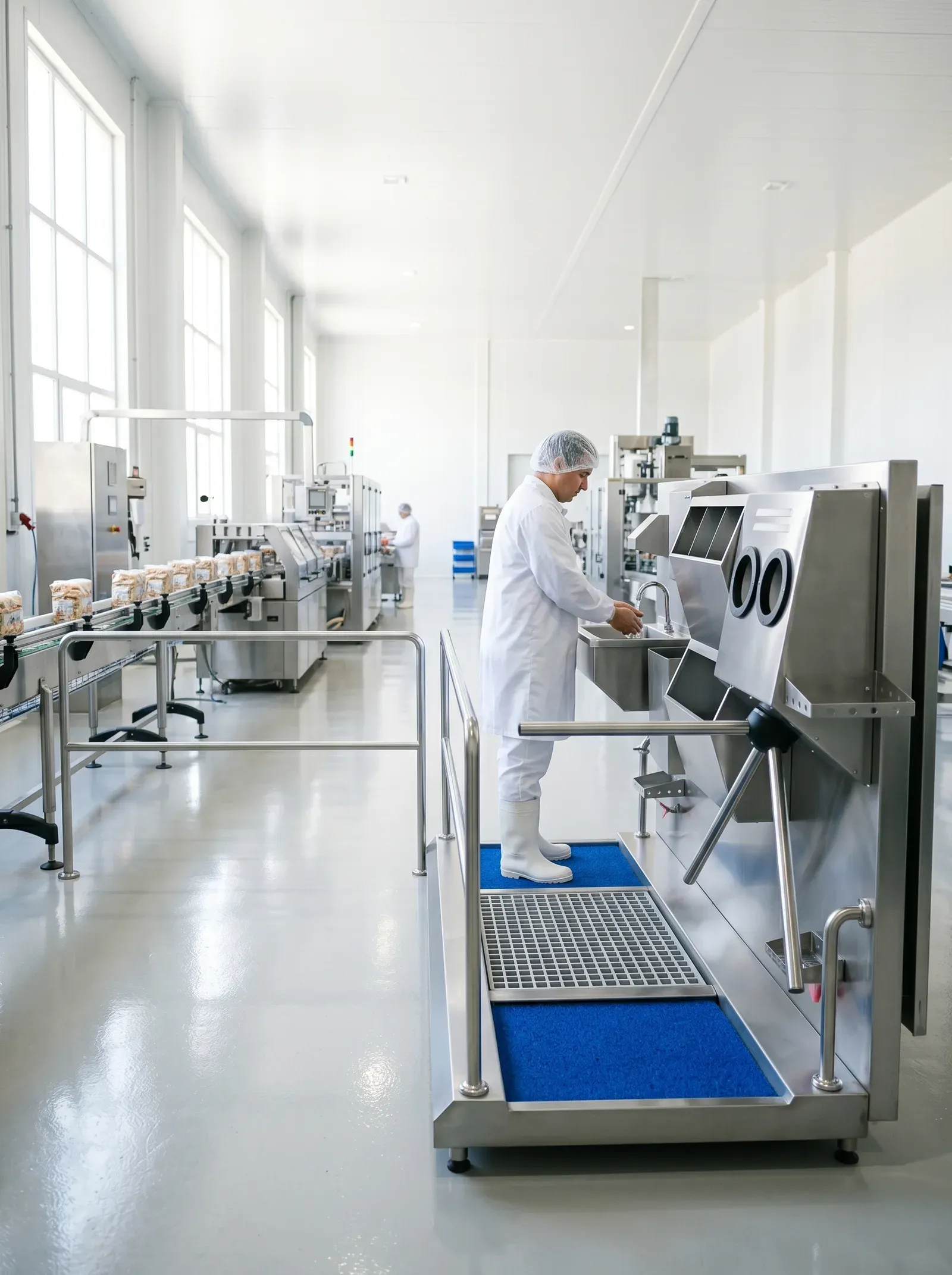
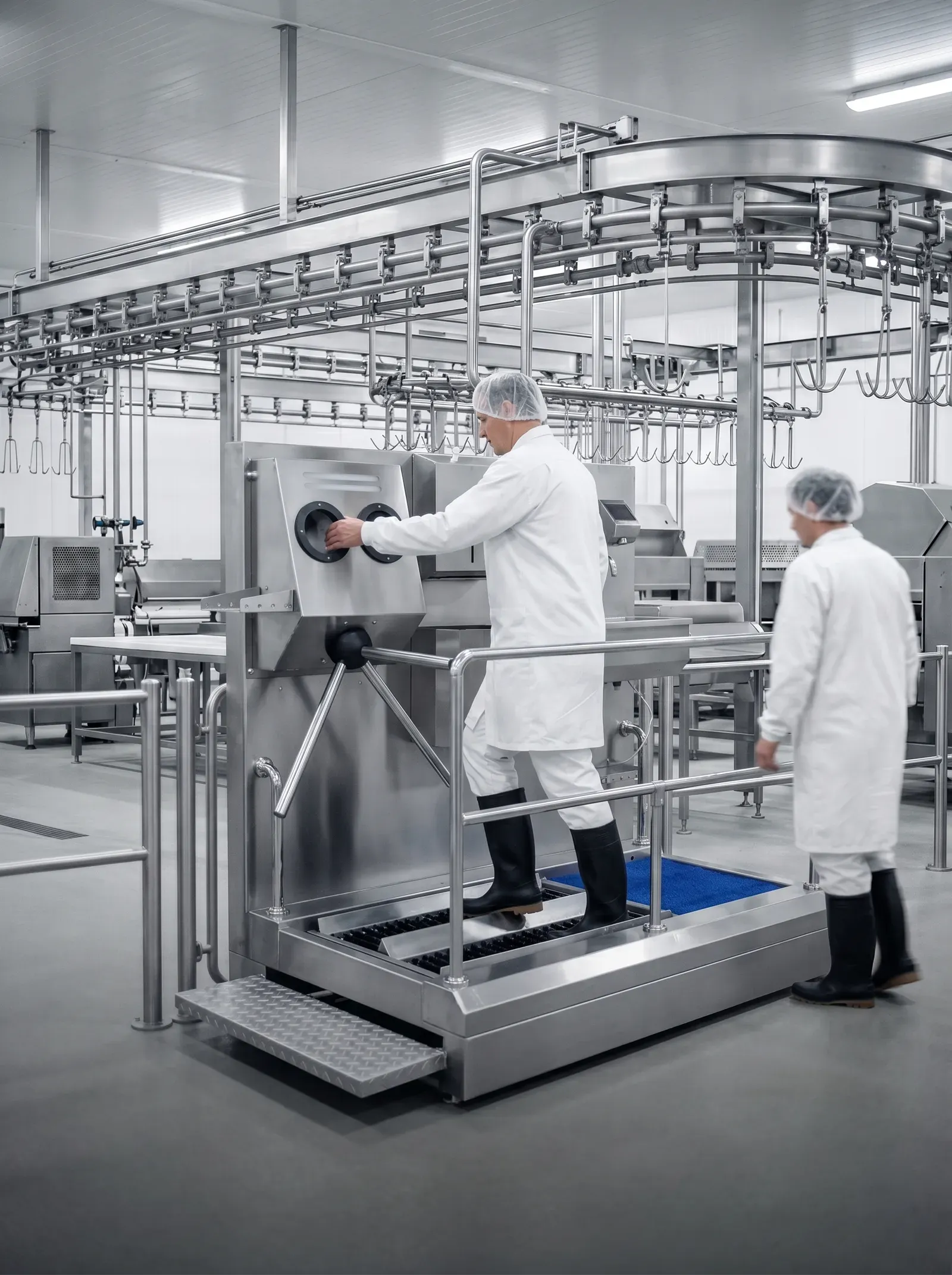
A hygiene station makes the required hygiene steps mandatory and auditable: the turnstile releases only after hand disinfection and/or sole cleaning is complete. This helps reduce contamination carried into production areas and creates a demonstrable control point for food-safety audits.
Product family and configuration
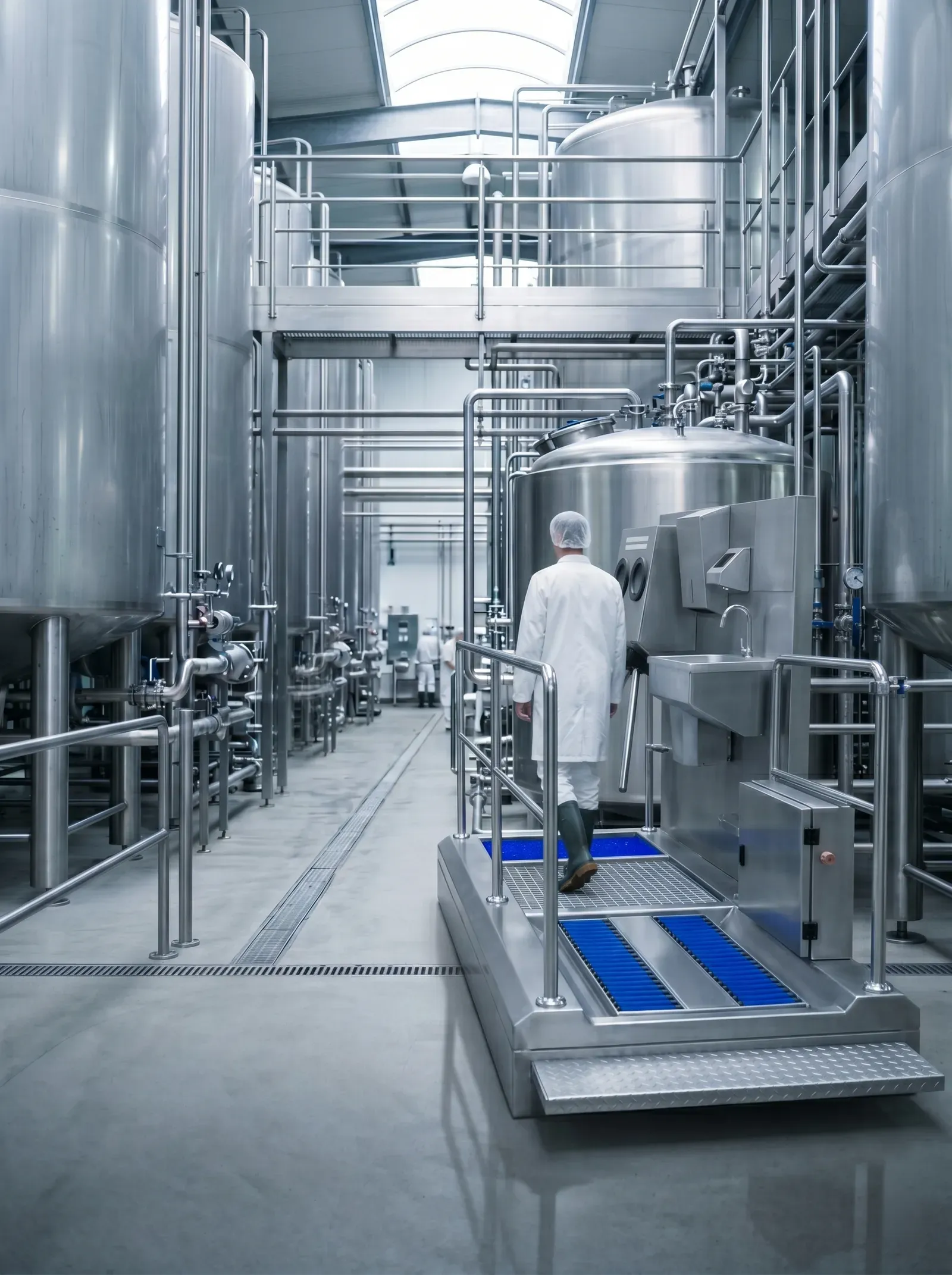
The Umran hygiene station family ranges from 70 cm single-entry units to fully equipped 300 cm lines. Footwear hygiene is handled with either a disinfectant footbath or motorized cylindrical brushes for mechanical sole and boot cleaning. Depending on the model, a sensor-operated hand washbasin, dual-sensor hand disinfection and a PPE dispenser can also be integrated.
- Footbath models (HGE, HGE-S, HGE-M, HGE-M1, HGE-L): footbath for lightly soiled areas.
- Brush models (HGB-M, HGB-L, DSE-B, DSE-EB): motorized cylindrical sole brushes; for areas with heavy organic residue.
- Full spec (HGS-EB): unites brush, footbath, washbasin and turnstile on one line.
- Turnstile-only (DSE): a dual-tank hand disinfection unit releases the tripod turnstile; with an optional hygiene mat.
How to choose the right hygiene station
The choice follows the facility’s physical and operational conditions. The main criteria:
- Clean-area dimensions and entry count: use a compact hygiene station in a narrow corridor; for busy shifts, distribute boot washers, industrial hand washbasins, PPE dispensers, hygiene stations or hand-disinfection turnstiles across a wider area, or configure parallel hygiene lines.
- Sole-cleaning need: a footbath for light soiling, a motorized brush for heavy organic soiling (meat, poultry).
- Throughput: the turnstile’s mechanical speed is not the line’s bottleneck; lane capacity is set by the hand-washing and disinfection cycle and confirmed by measurement at the facility.
Which standards does a hygiene station help you meet?
Food-safety standards do not mandate a specific device; they require hand hygiene at the personnel entrance to be controlled and documented. A hygiene station meets these requirements at one point by enforcing hands-free taps, liquid soap, hygienic drying and hand disinfection with the turnstile lock:
- HACCP: the personnel entrance is defined as a control point against cross-contamination; the station makes that control mandatory and repeatable.
- BRCGS Food Safety Issue 9: hand-washing on entry to production (7.2.2), hands-free taps, liquid soap and single-use towels (4.8.4), disinfection on entry to high-risk / high-care areas (8.4.1).
- IFS Food v8 (§3.2): risk-based personnel-hygiene requirements including hand-contact-free taps and, preferably, contactless hand disinfection.
- ISO 22000:2018 and ISO 22002-1:2025 (clause 13): the prerequisite for hand washing with non-hand-operated taps and hand sanitizing where required.
- Turkish Food Hygiene Regulation (Official Gazette 28145) and EC 852/2004 Annex II: suitably located hand-wash basins, hot and cold water and hygienic drying.
Umran hygiene stations are built on hygienic-design principles aligned with HACCP, to CE norms and under an ISO 9001:2015 certified quality management system. The personnel entrance is the standard control point auditors look for in HACCP, BRCGS and IFS certification; standard names belong to their respective bodies.
Related sectors
Common questions about personnel hygiene stations
Are a hygiene station and a hygiene turnstile the same thing?
Not exactly. A hygiene turnstile is a single component that releases access after hand disinfection. A hygiene station is a complete entry line that can combine the turnstile with sole or boot cleaning, a hand washbasin and PPE dispensers.
Should I choose a footbath or a brush model?
It depends on how heavy the sole soiling is. A footbath handles light-to-moderate soiling via a sanitizer crossing; a motorized cylindrical brush mechanically cleans soles in areas with heavy organic residue, such as meat and poultry. For very heavy soiling a separate boot washer can be added.
Is a hygiene station mandatory for HACCP?
HACCP does not mandate a specific device; it requires cross-contamination risk at staff entrances to be controlled. A hygiene station is a practical way to make the required steps mandatory and auditable.
What happens to the hygiene station turnstile if the power fails?
On models with an electric turnstile the arms are released when the power fails (fail-safe) and the evacuation direction is never blocked; a locked (fail-secure) behaviour is configured on request where the facility procedure requires it. The mechanical TRN turnstile works independently of power.
How does a hygiene station provide evidence in a BRCGS or IFS audit?
Because the turnstile releases only after the hygiene step is completed, the entrance is a mandatory control point the auditor can observe. The entry procedure, equipment documentation (technical sheet, user manual) and time-attendance logs, where fitted, are presented against the personnel-hygiene requirements of BRCGS Food Safety Issue 9 (4.8.4, 7.2.2), IFS Food v8 (§3.2) and ISO 22002-1:2025.