On hygiene, stainless steel & manufacturing
Manufacturer-grade guides on hygiene stations, material choice, installation and sector use.
How does a hygiene station work?
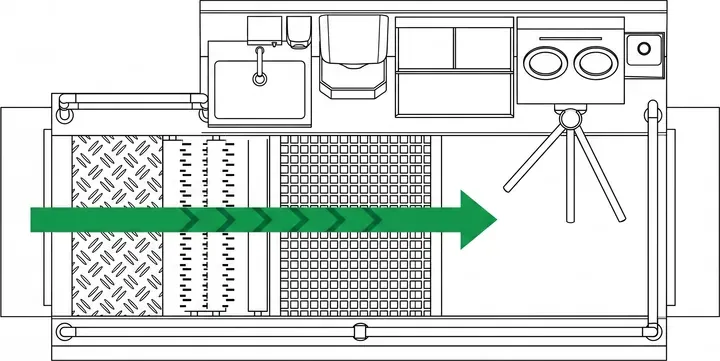
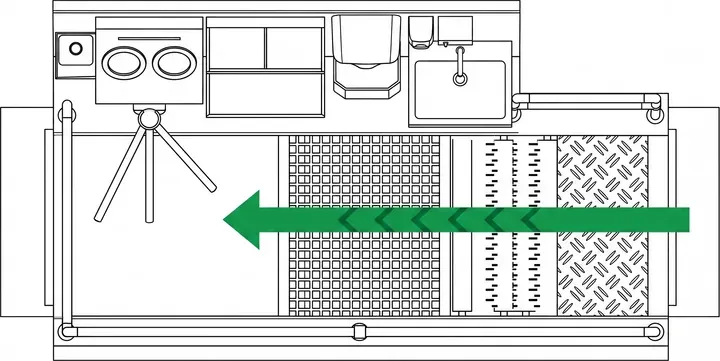
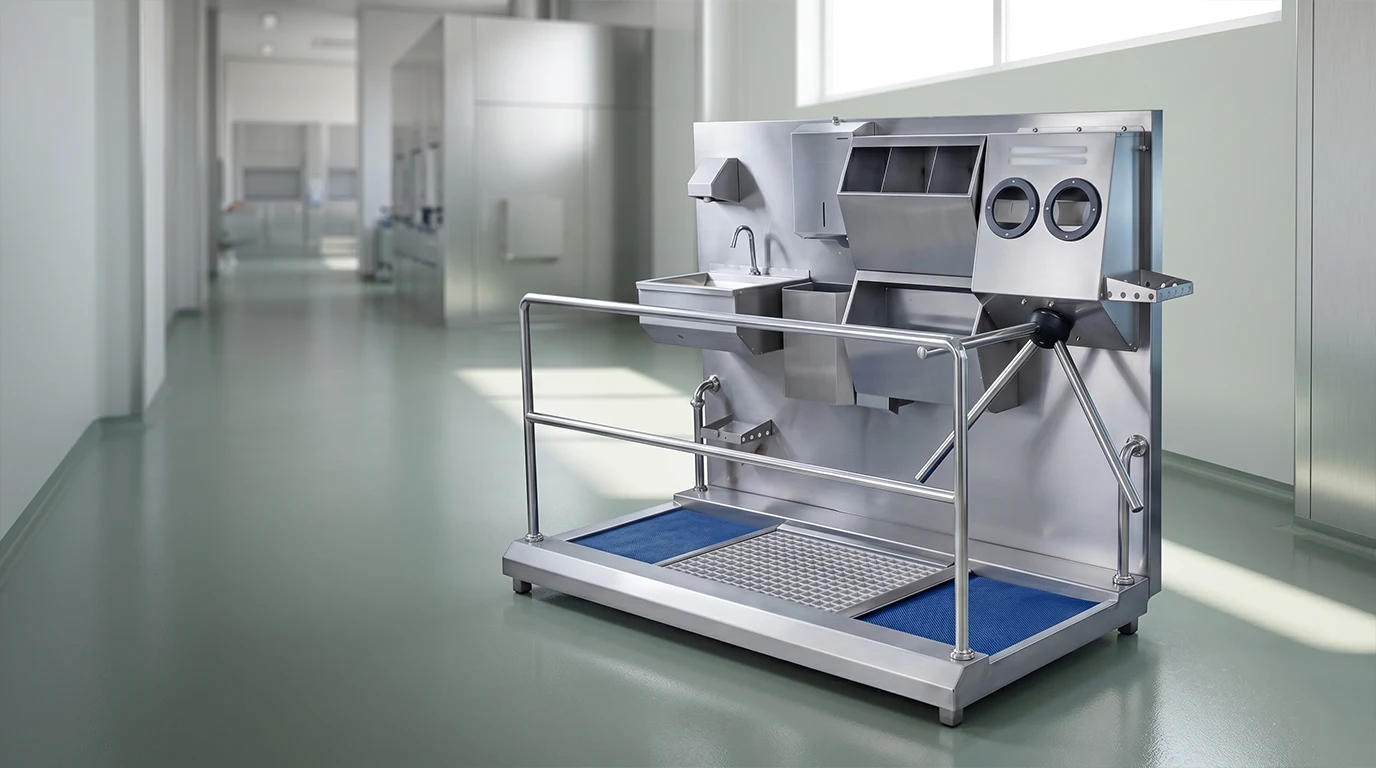
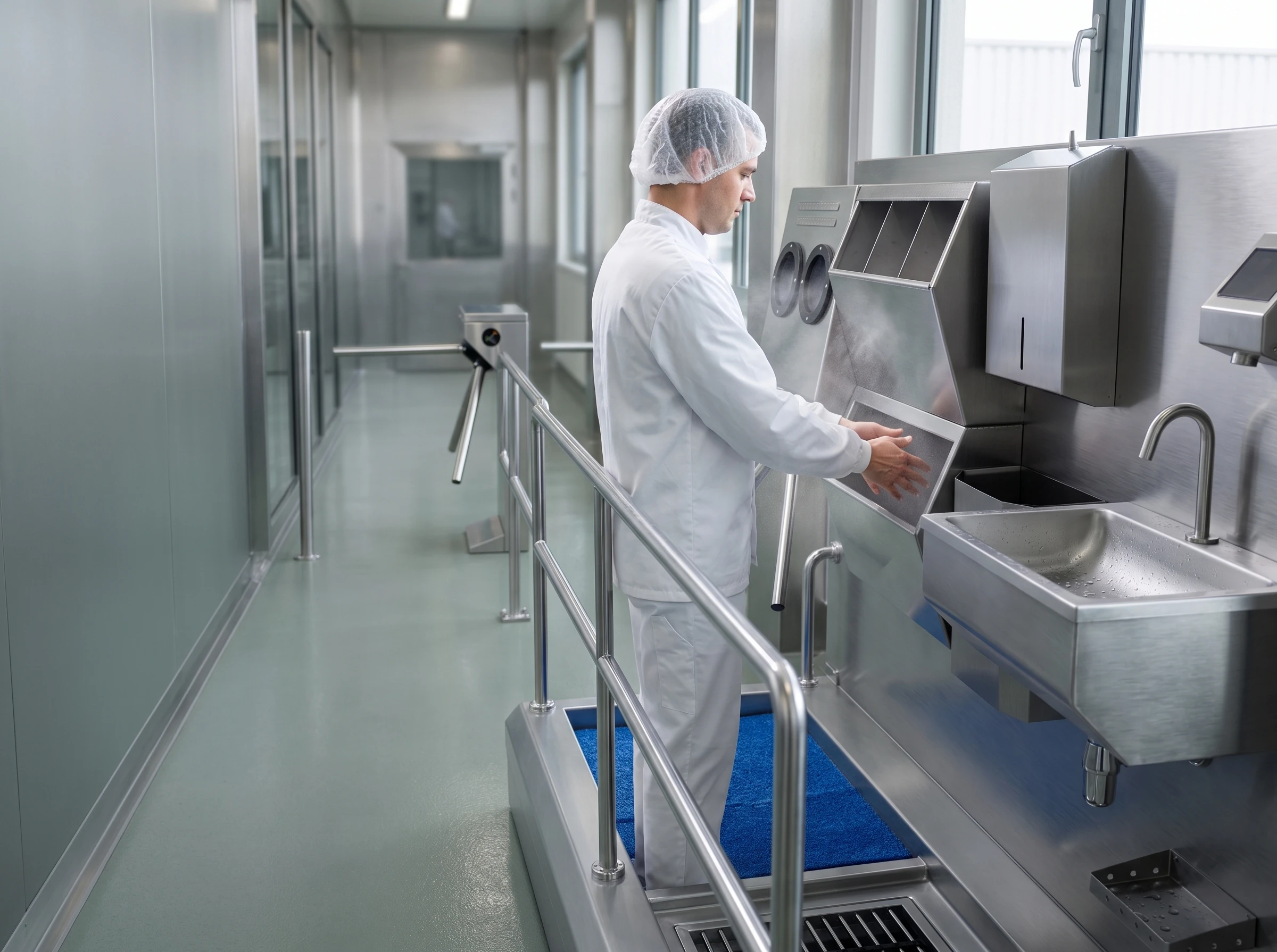
The step-by-step working principle of a hygiene station: how it enforces the sequence and what unlocks the turnstile.
Read more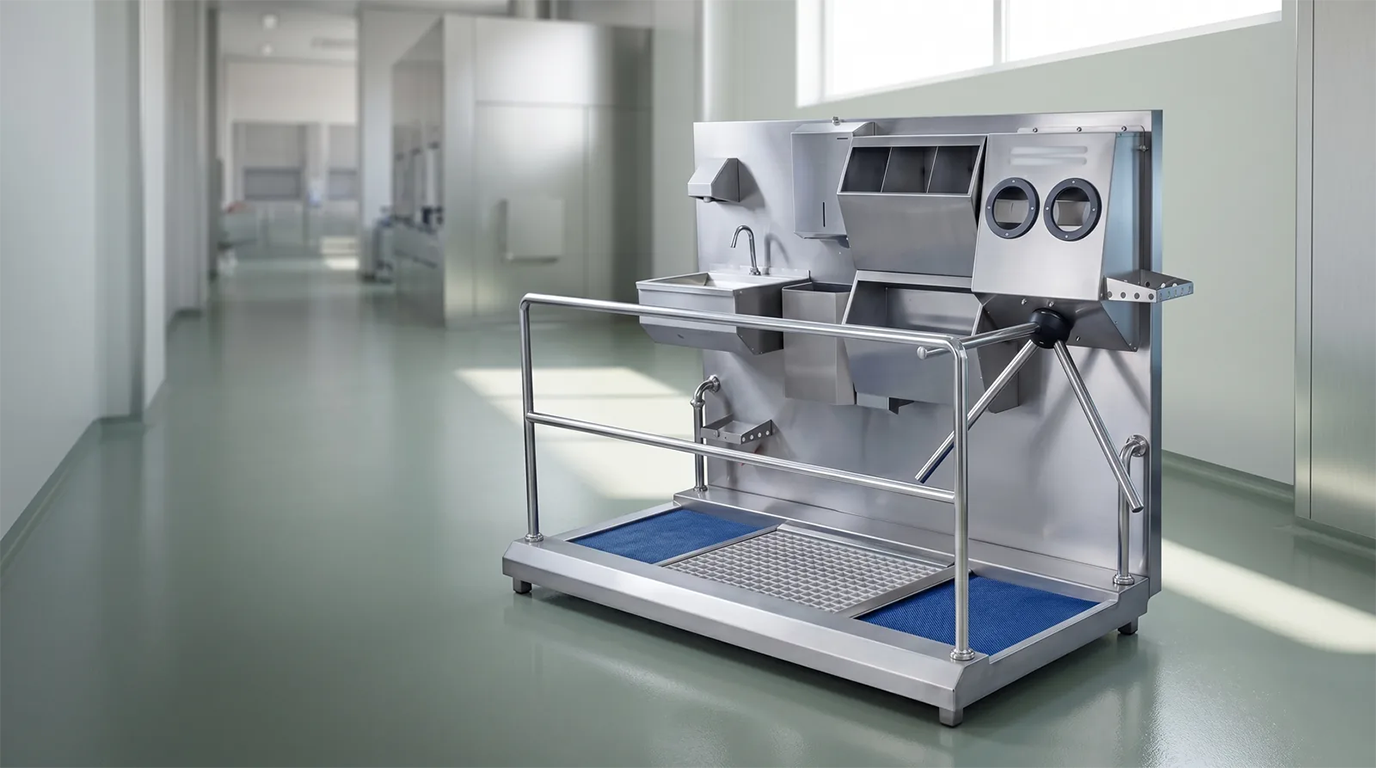
Hygiene station types and models
Turnstile, washbasin, brush and boot-wash hygiene station models — which type fits your facility? A comparison of all variants.
Read more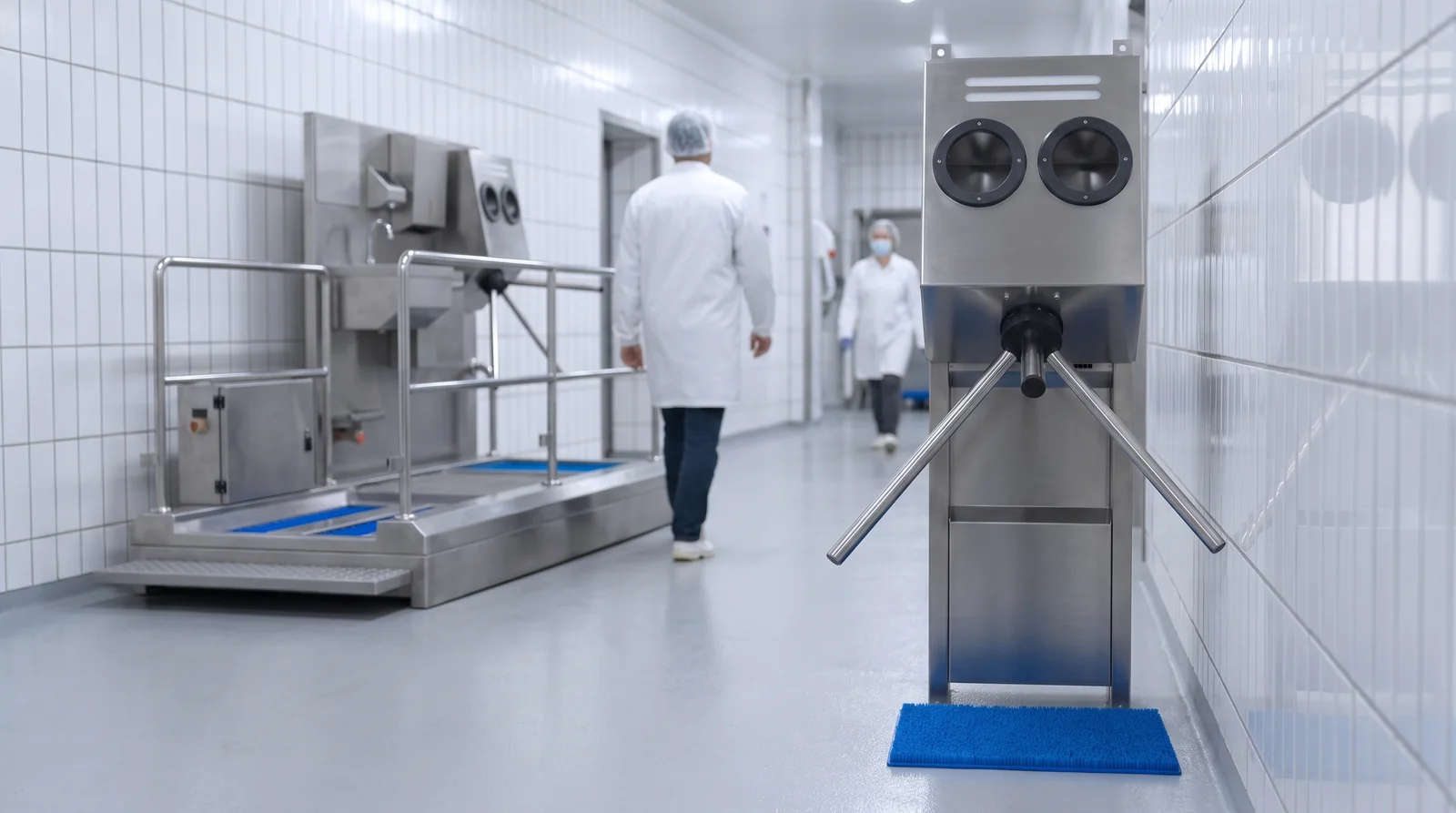
Hygiene station vs hygiene turnstile
Are hygiene station, hygiene turnstile and hygiene entrance unit the same? We explain the differences between the terms.
Read more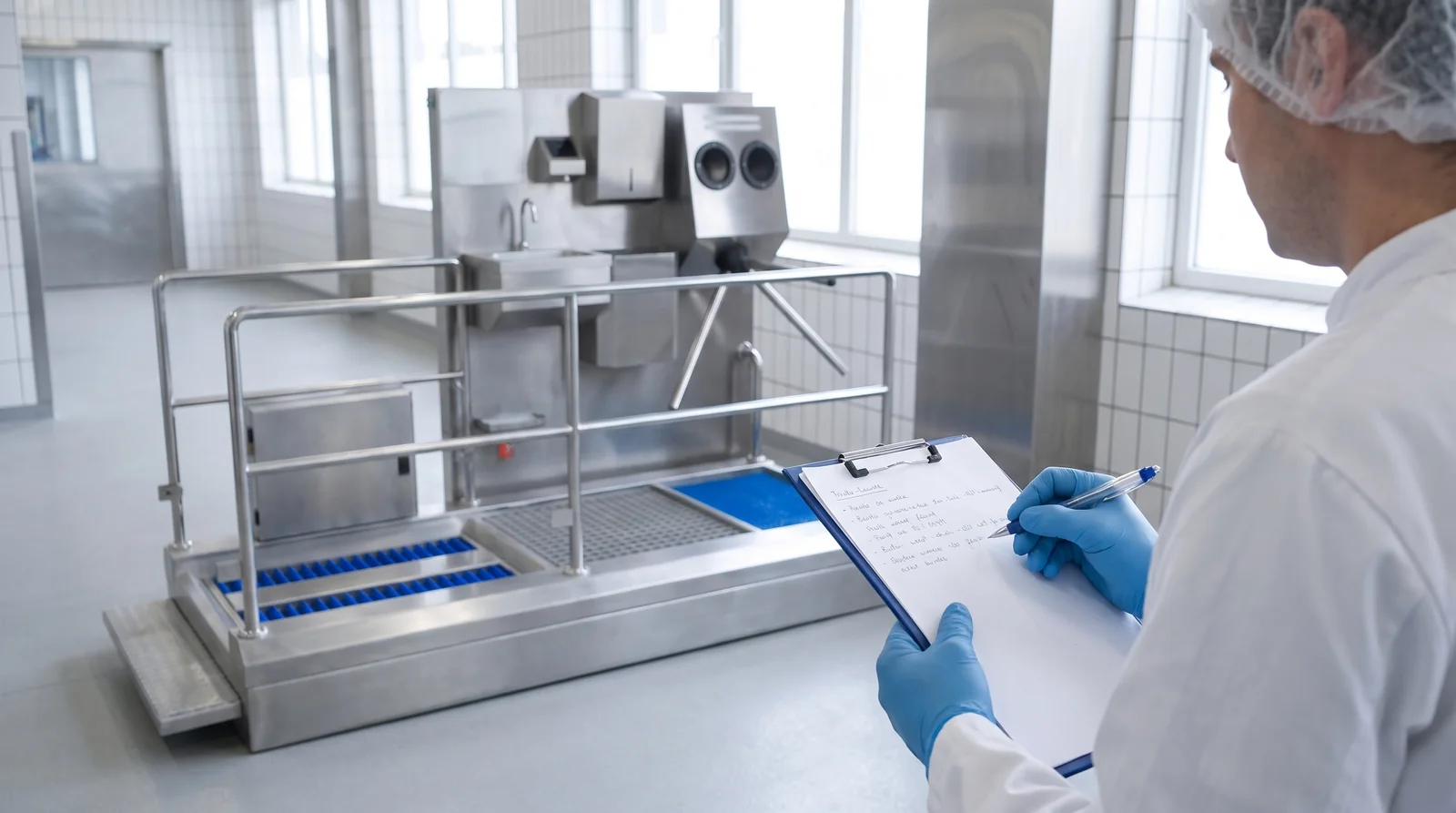
What affects hygiene station price
What drives hygiene station price: unit type, lanes, stainless grade and automation — and how to get an accurate quote.
Read more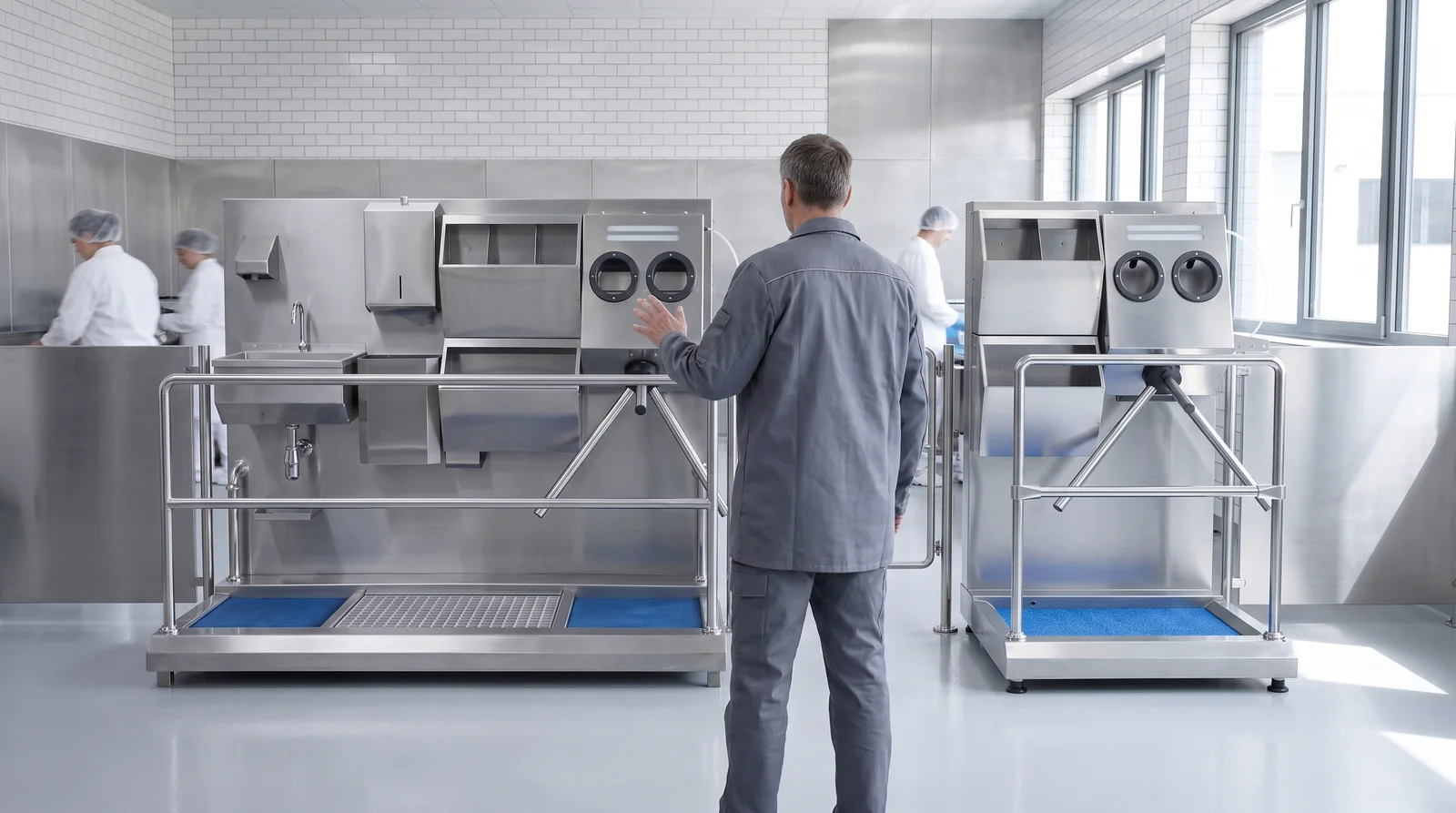
How to choose a hygiene station
A complete guide to choosing the right hygiene station by sector, headcount, cleaning type and space — step-by-step criteria.
Read more
304 vs 316 stainless for hygiene
AISI 304 vs 316: chromium, nickel, molybdenum, corrosion and cost. Which is right for hygiene equipment?
Read more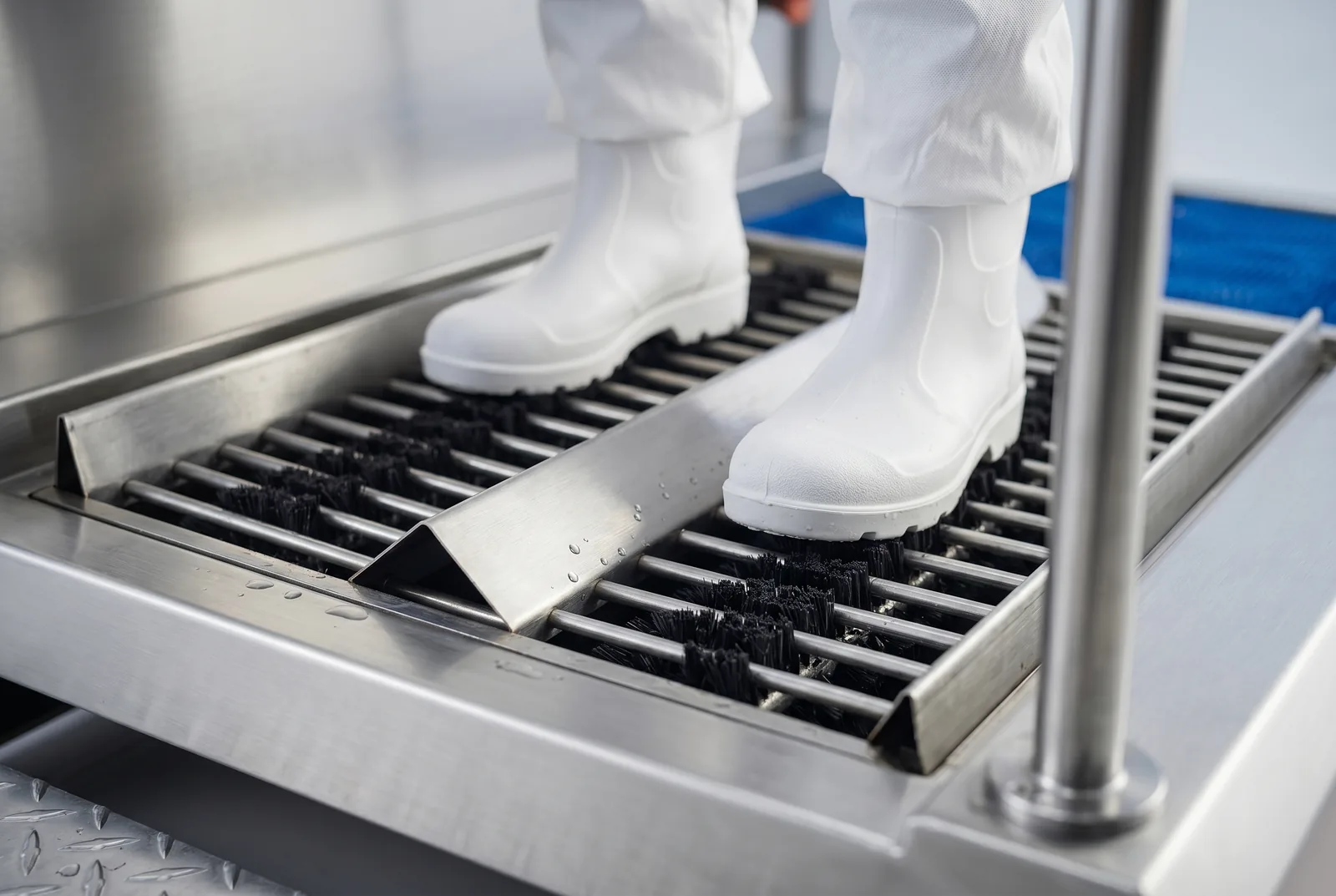
Boot cleaning: brush or basin?
Brush system or disinfectant basin for boot hygiene? A comparison of methods and the right choice.
Read more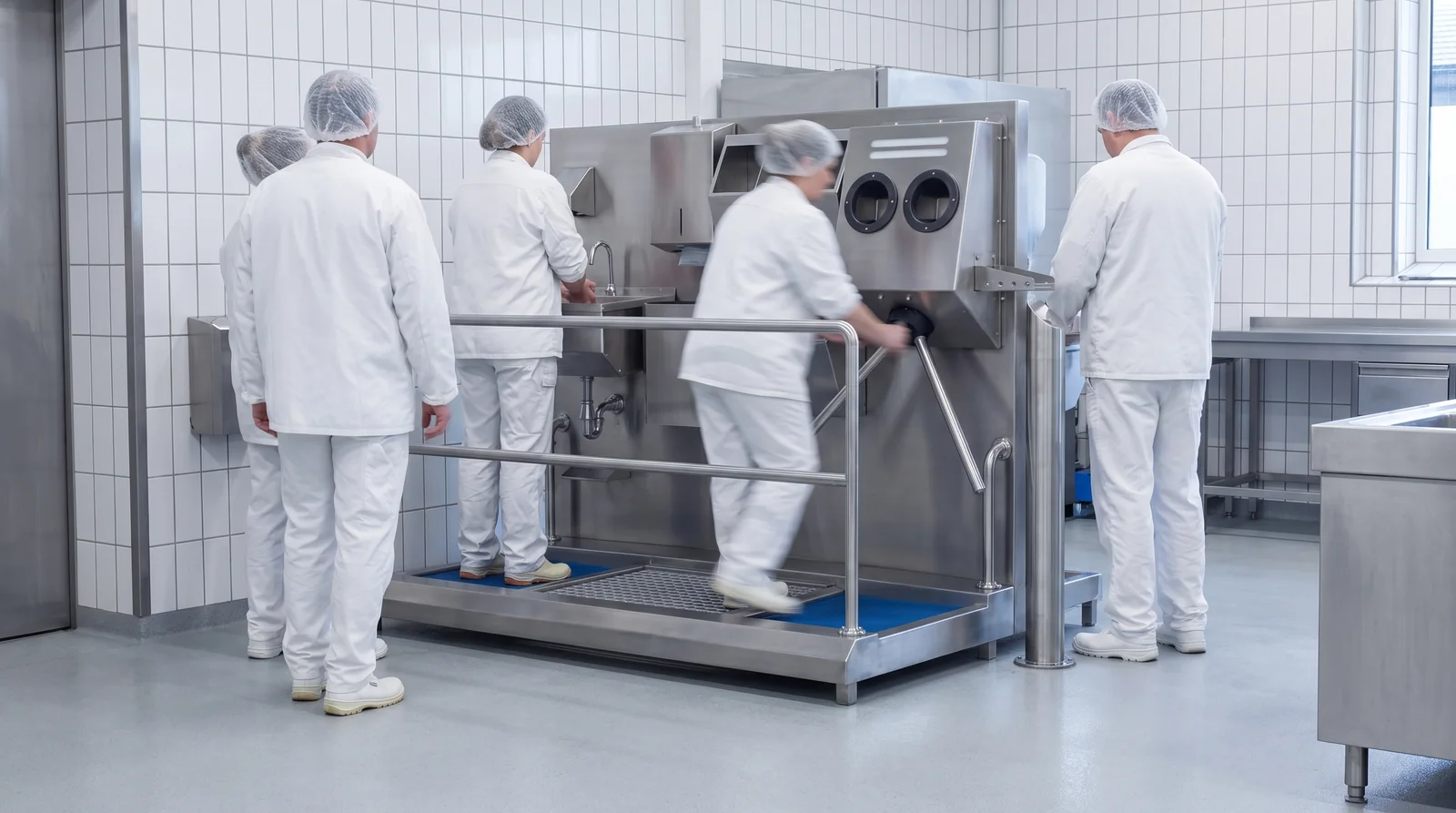
What capacity hygiene station?
How many lanes do you need for your shift-start flow? Turnstile throughput and queue-prevention math.
Read more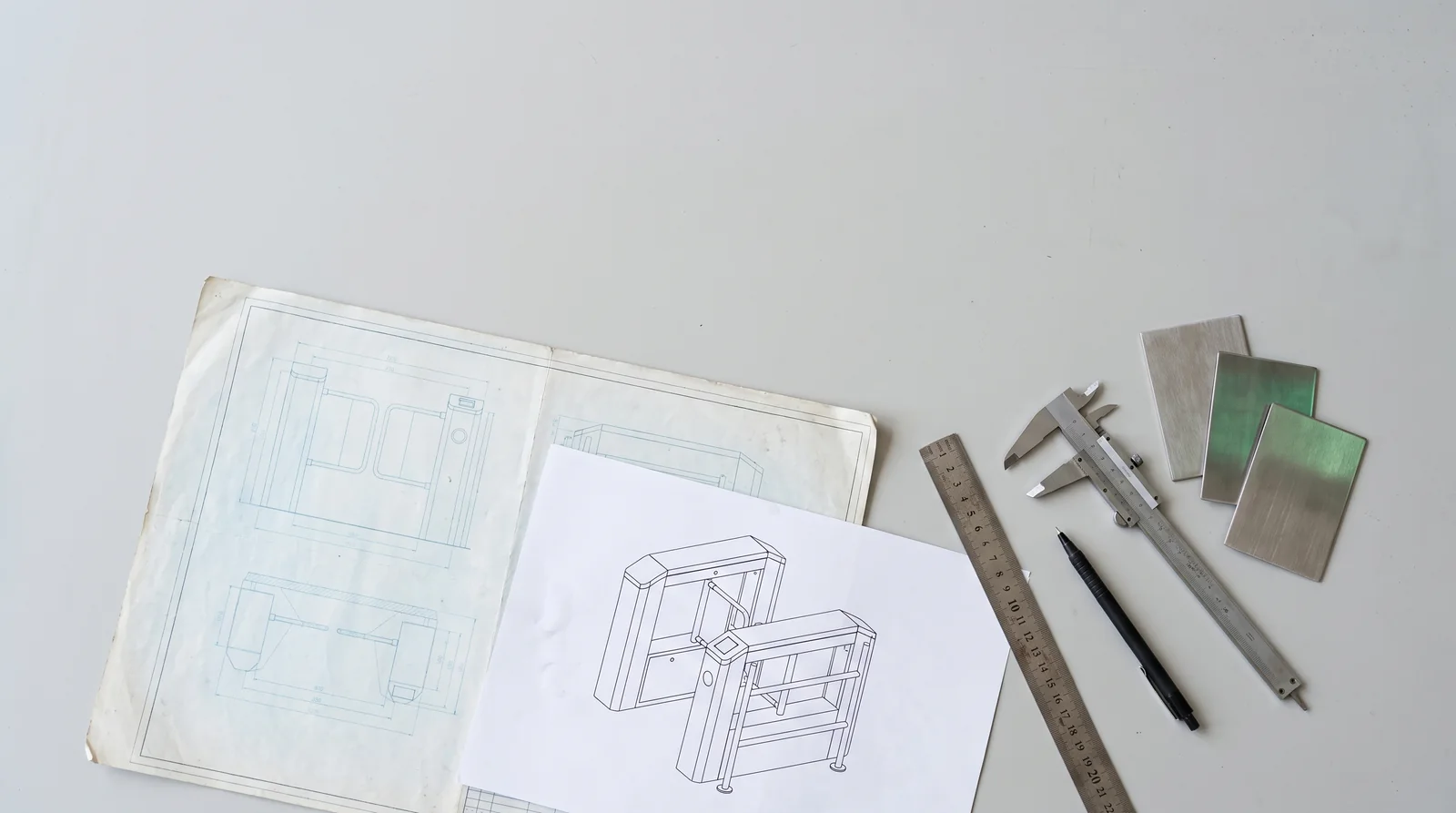
10 key points before buying
10 things to check before buying a hygiene station: material, turnstile, sensors, capacity, service and more.
Read more
HACCP & staff hygiene stations
Why personnel hygiene is a HACCP prerequisite and how a hygiene station serves as an auditable control point.
Read more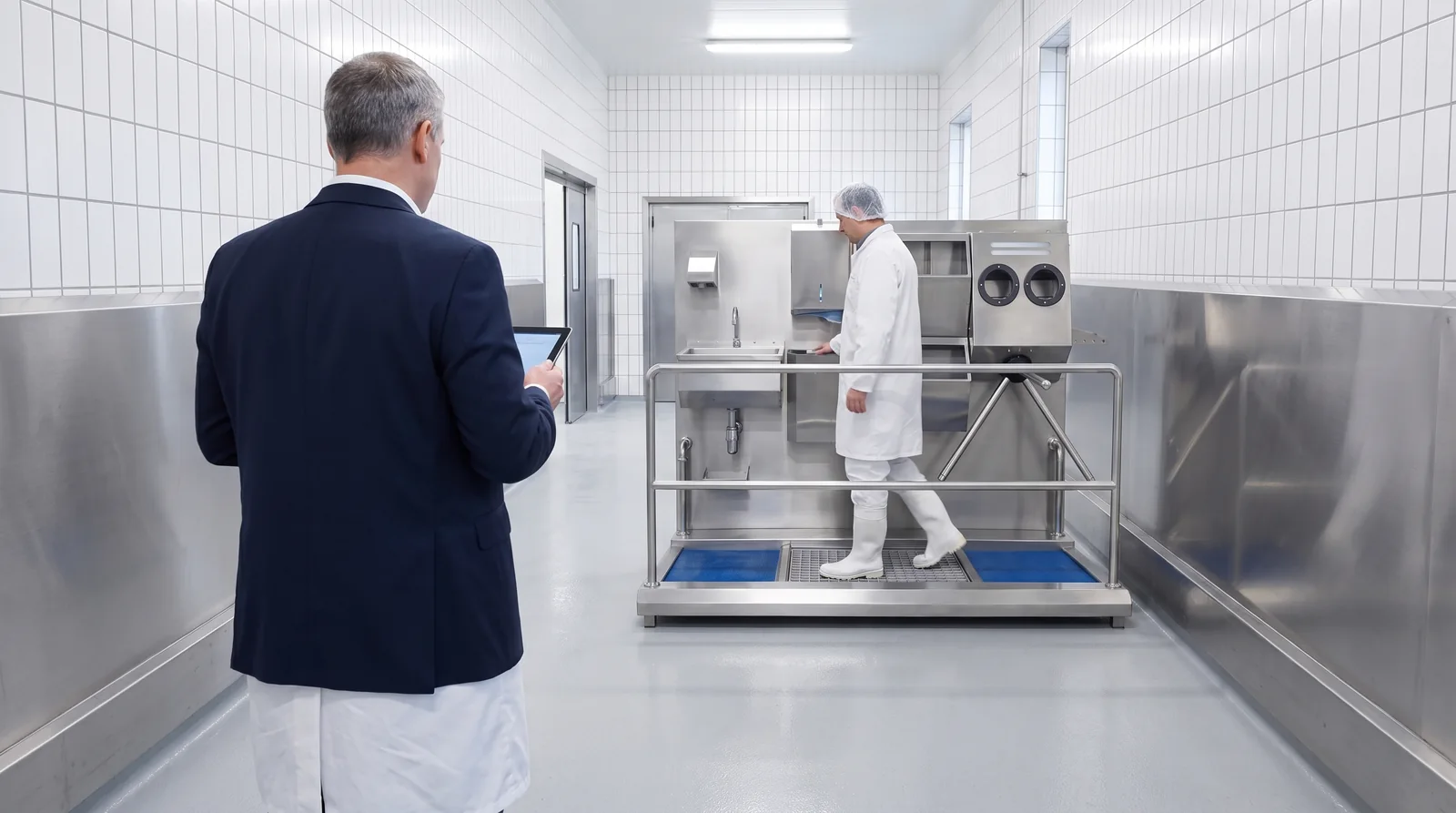
ISO 22000 staff entry hygiene
Personnel hygiene, handwashing facilities and cross-contamination requirements in ISO 22000 and ISO 22002-1:2025.
Read more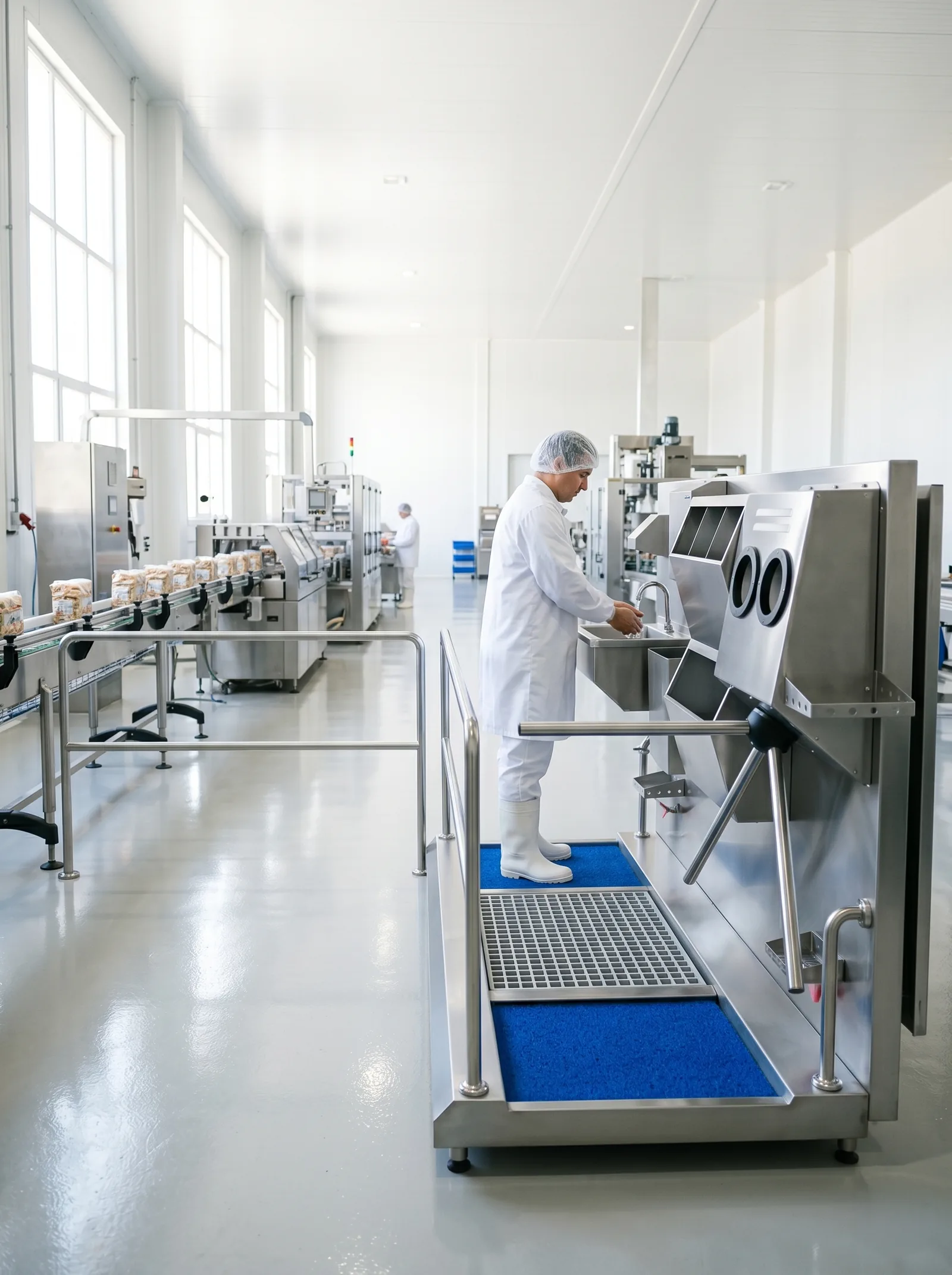
BRCGS personnel hygiene
Personnel hygiene, handwashing and entry-control expectations in the BRCGS food safety standard.
Read more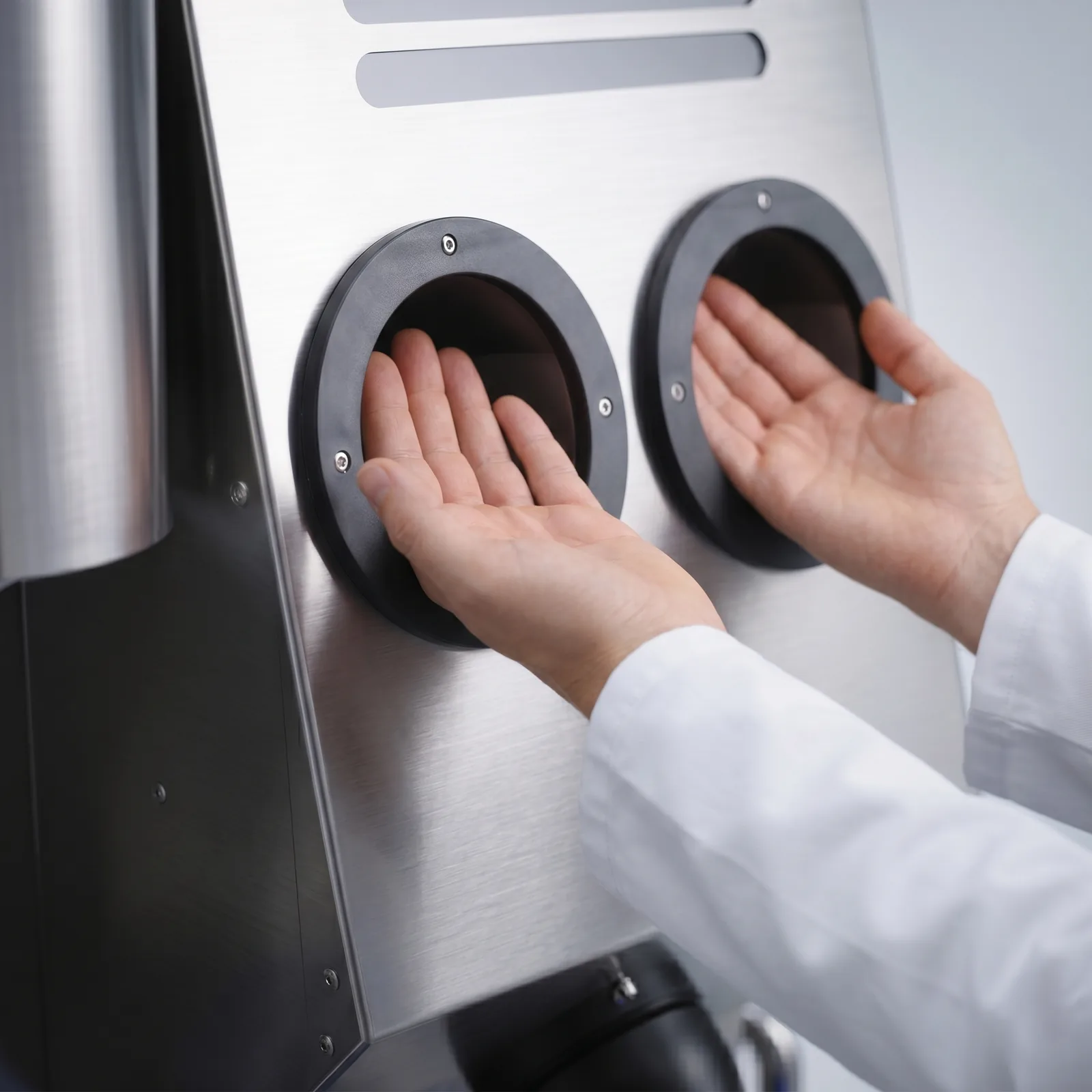
IFS Food hand hygiene
Hand hygiene, staff entry control and the role of hygiene stations in the IFS Food standard.
Read more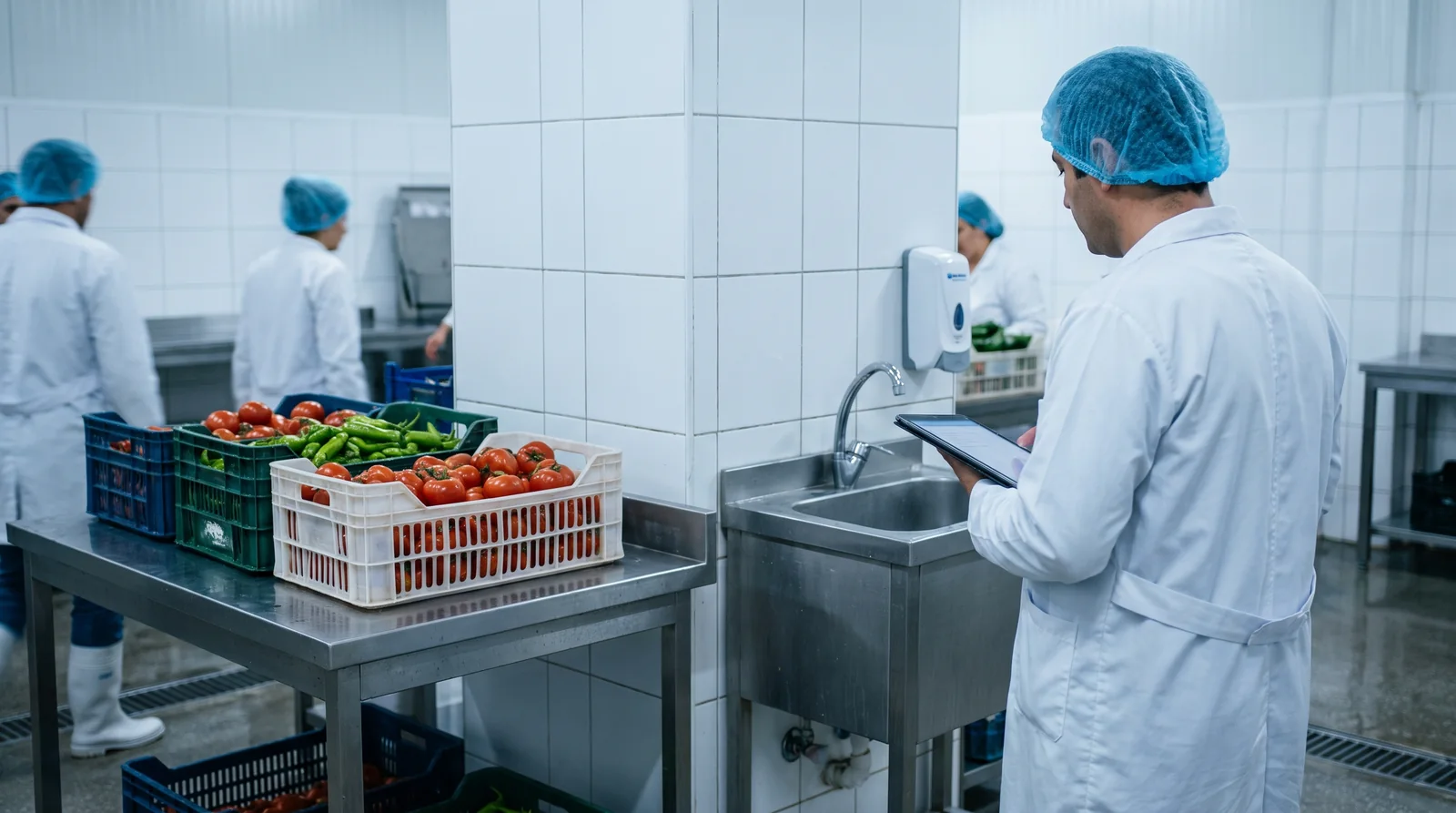
Turkish food law & hygiene
Handwashing-facility and personnel-hygiene requirements in Turkish food hygiene legislation.
Read more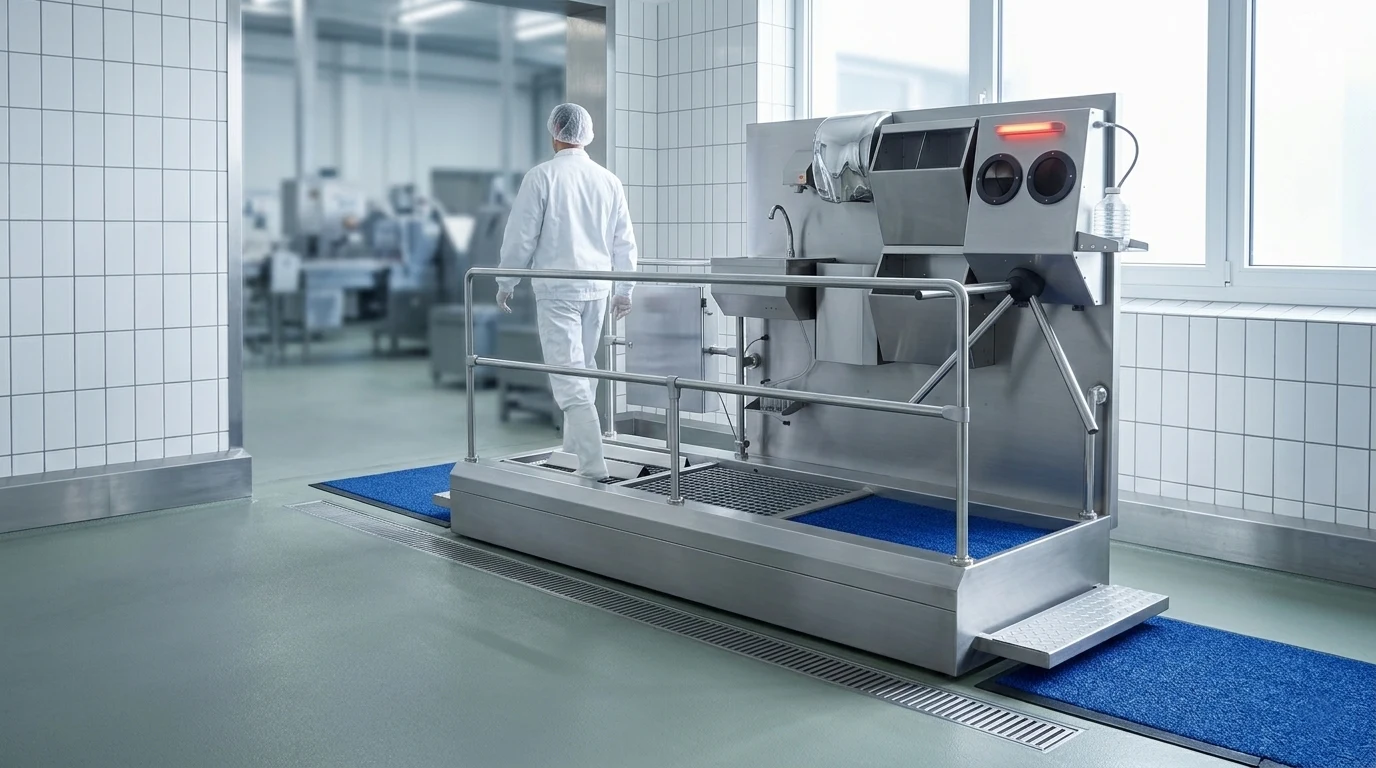
Hygiene stations in meat plants
Staff entry hygiene in meat plants: the right barrier against organic load, cold chain and cross-contamination.
Read more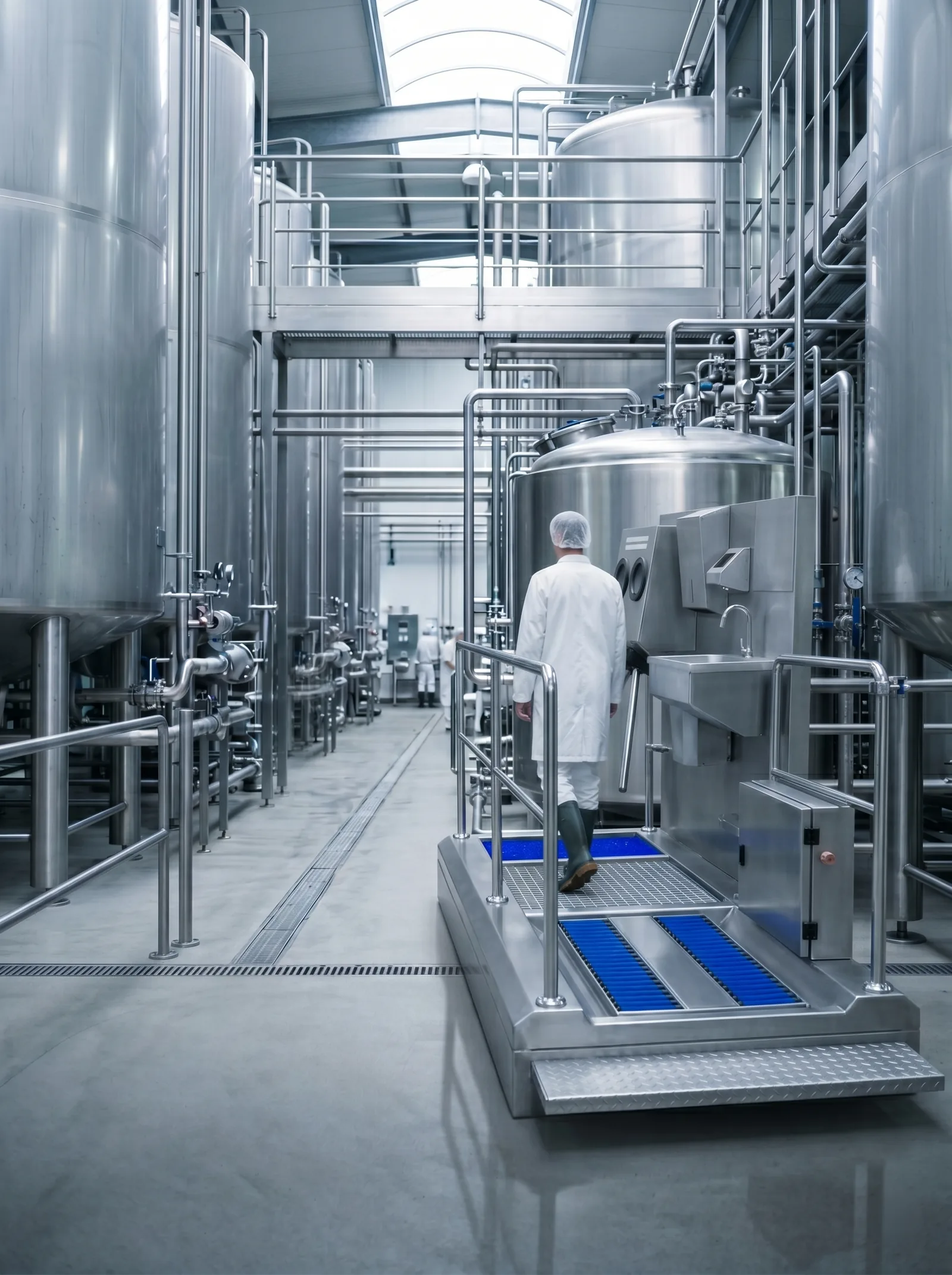
Dairy plant staff hygiene
Why staff entry hygiene is critical in dairy plants — hygiene stations for pathogen control.
Read more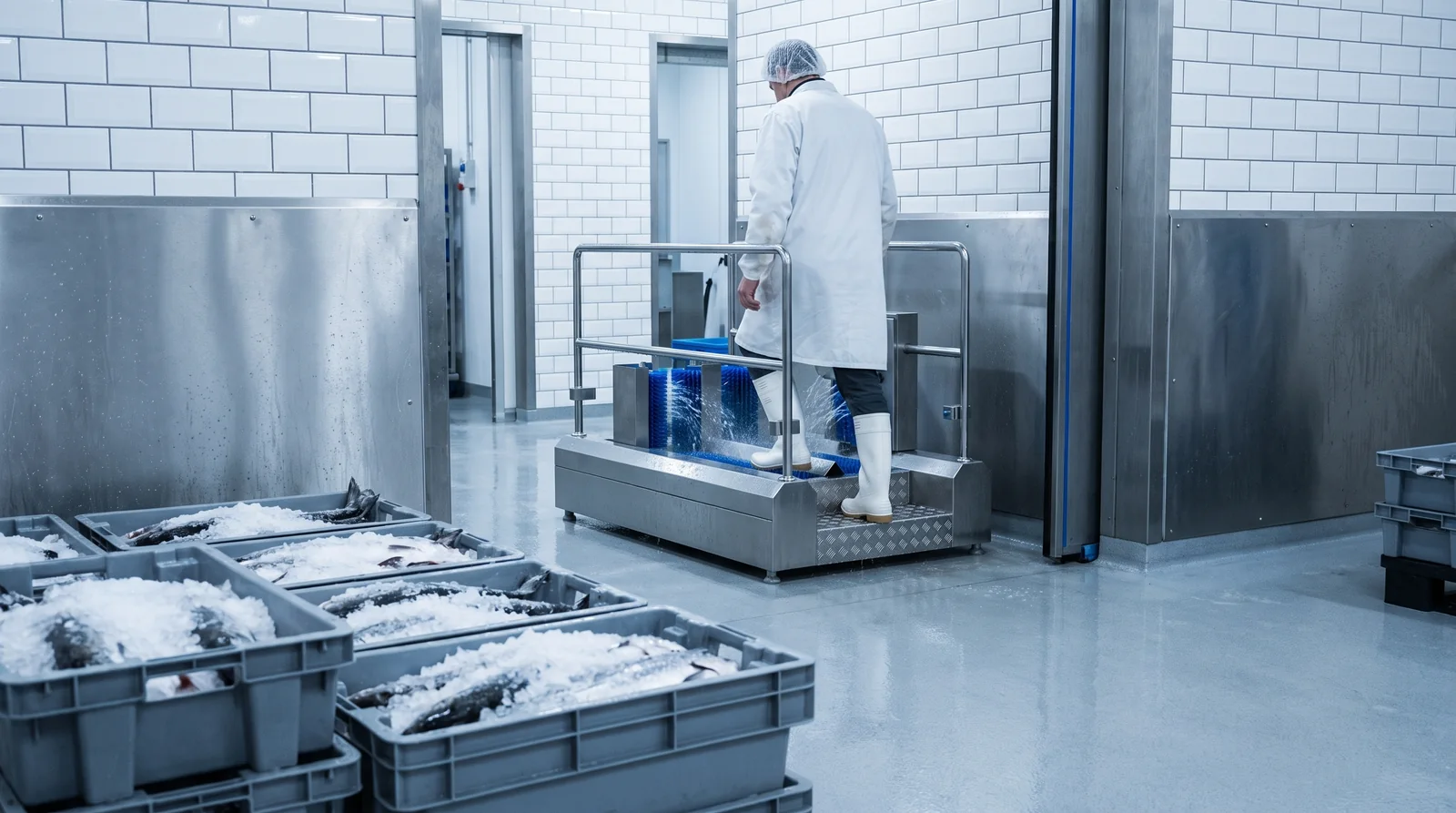
Seafood plant hygiene transit
Heavy washdown and staff hygiene in seafood plants — why the barrier may need 316 stainless.
Read more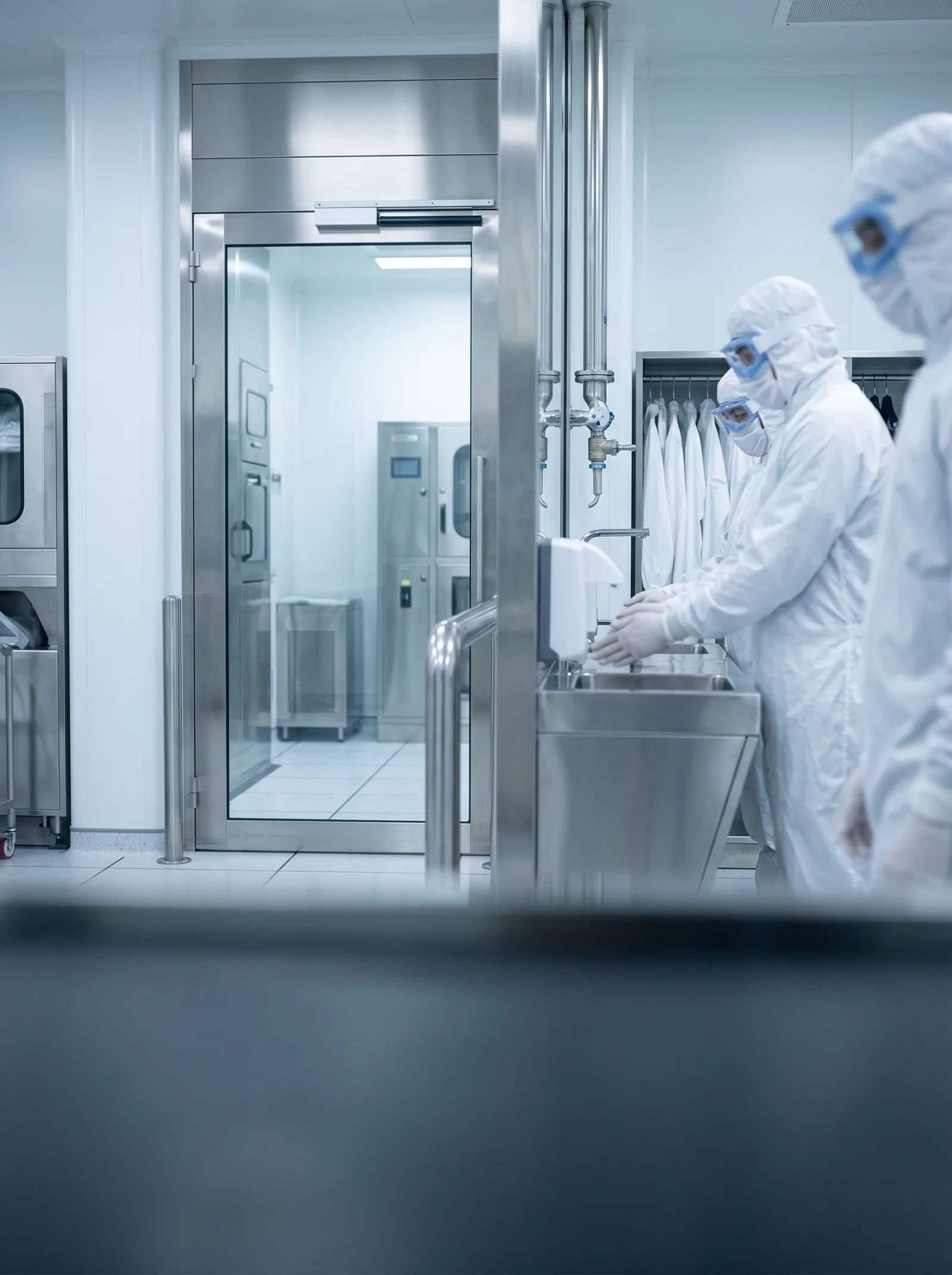
Cleanroom entry hygiene
Cleanroom entry in pharma and cosmetics: personnel hygiene, particle control and the role of hygiene stations.
Read more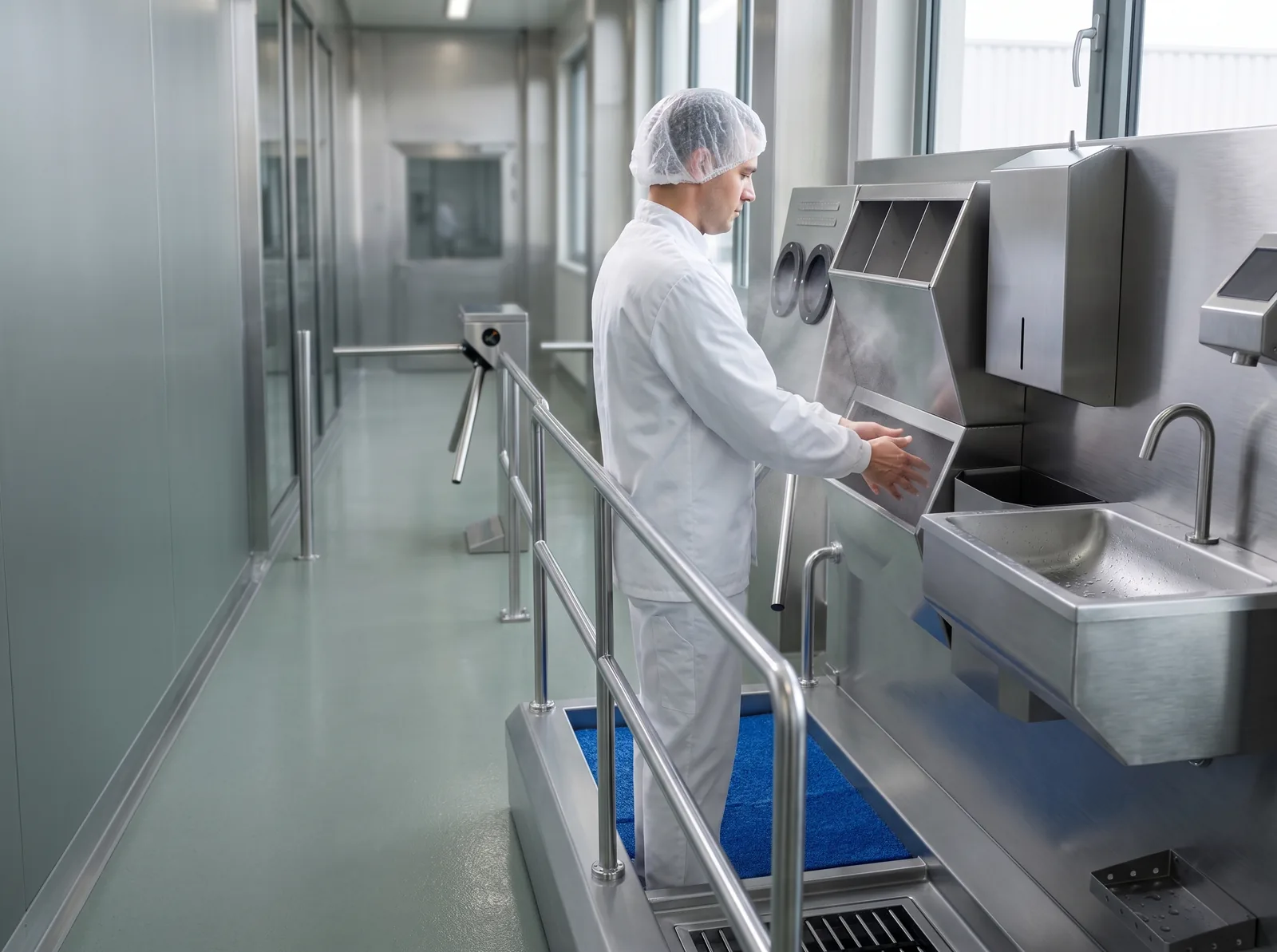
Hygiene stations in hospitals
Hygiene stations for staff and visitor hygiene at critical-area entrances in hospitals.
Read more
Catering kitchen hygiene
Hygiene stations for high staff flow in hotels, restaurants and catering — hand and shoe hygiene at entry.
Read more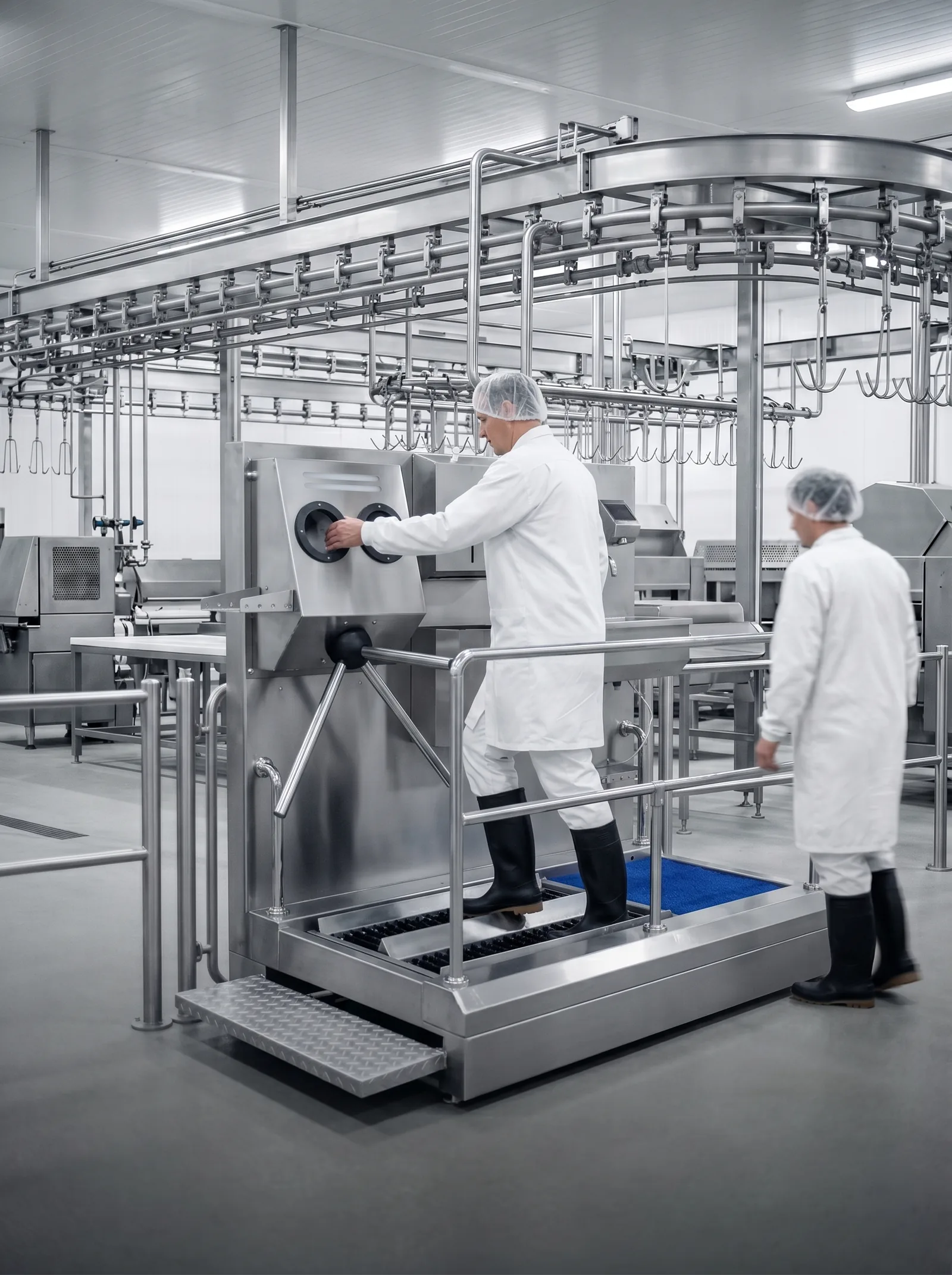
Poultry plant hygiene
Staff entry hygiene and boot disinfection against high pathogen risk in poultry plants.
Read more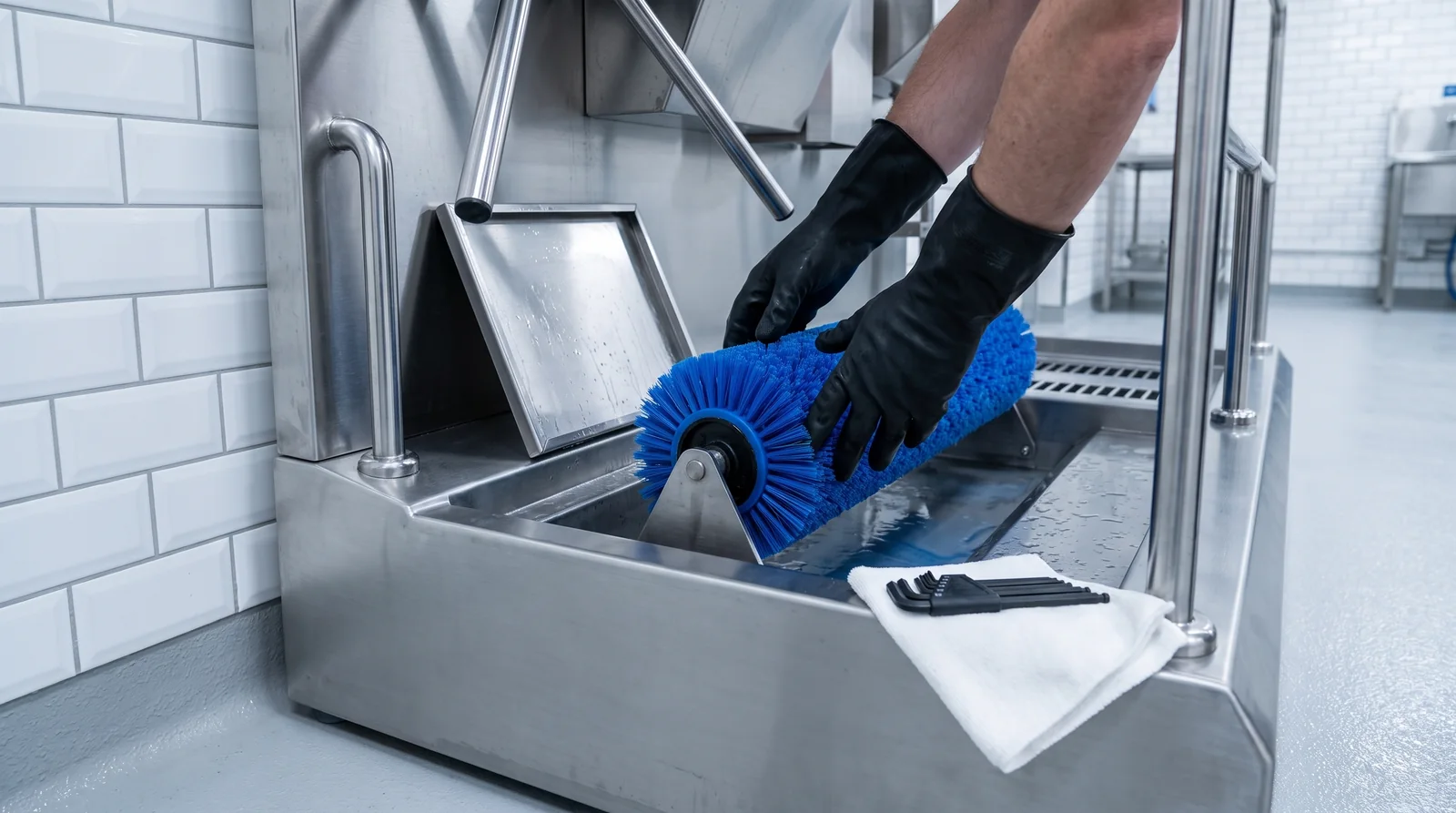
Hygiene station maintenance
Daily, weekly and periodic maintenance for long life: surface cleaning, refills and sensor checks.
Read more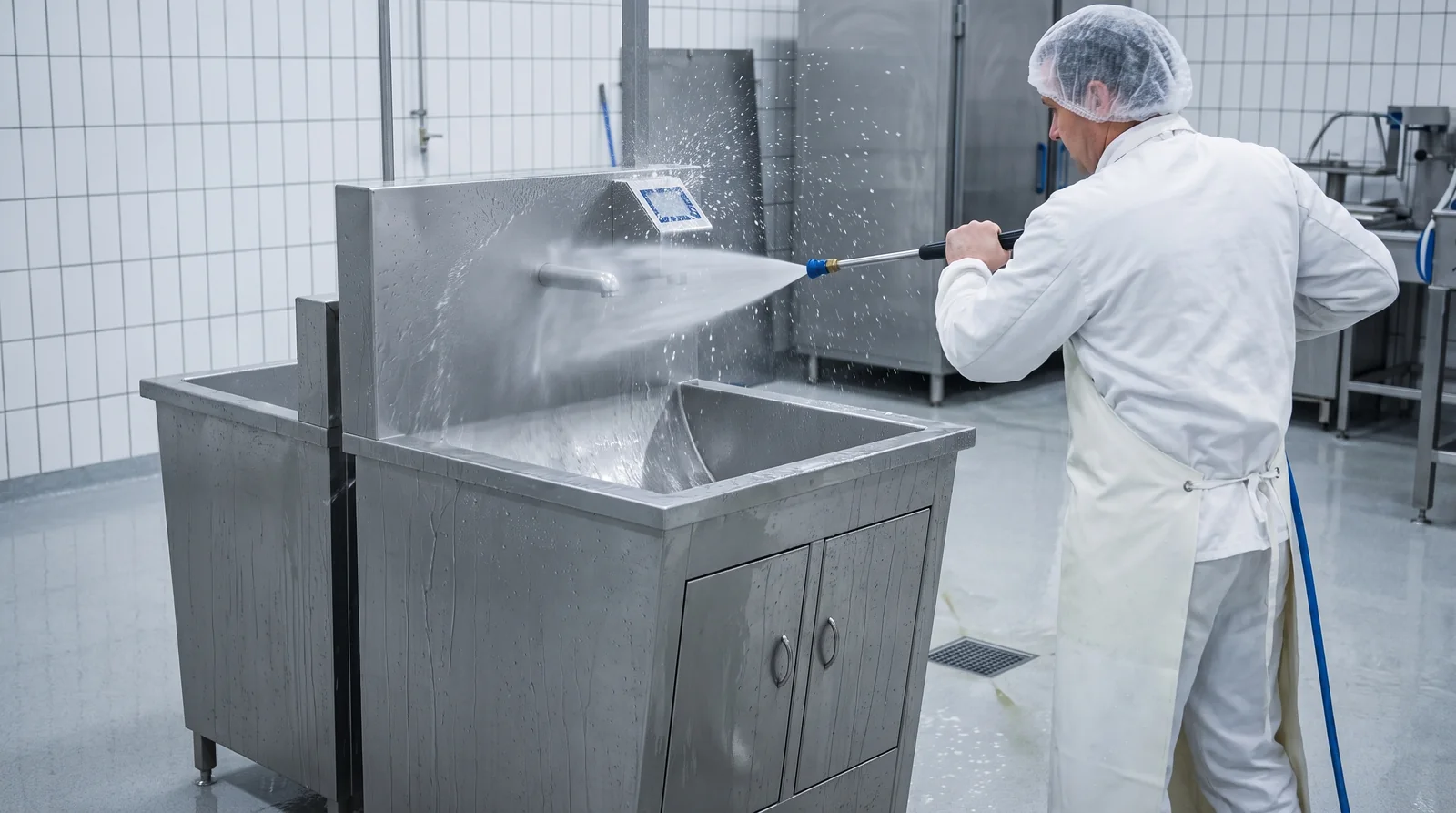
IP69K in hygiene equipment
What IP67, IP68 and IP69K mean — choosing washdown-proof sensors and hygiene equipment.
Read more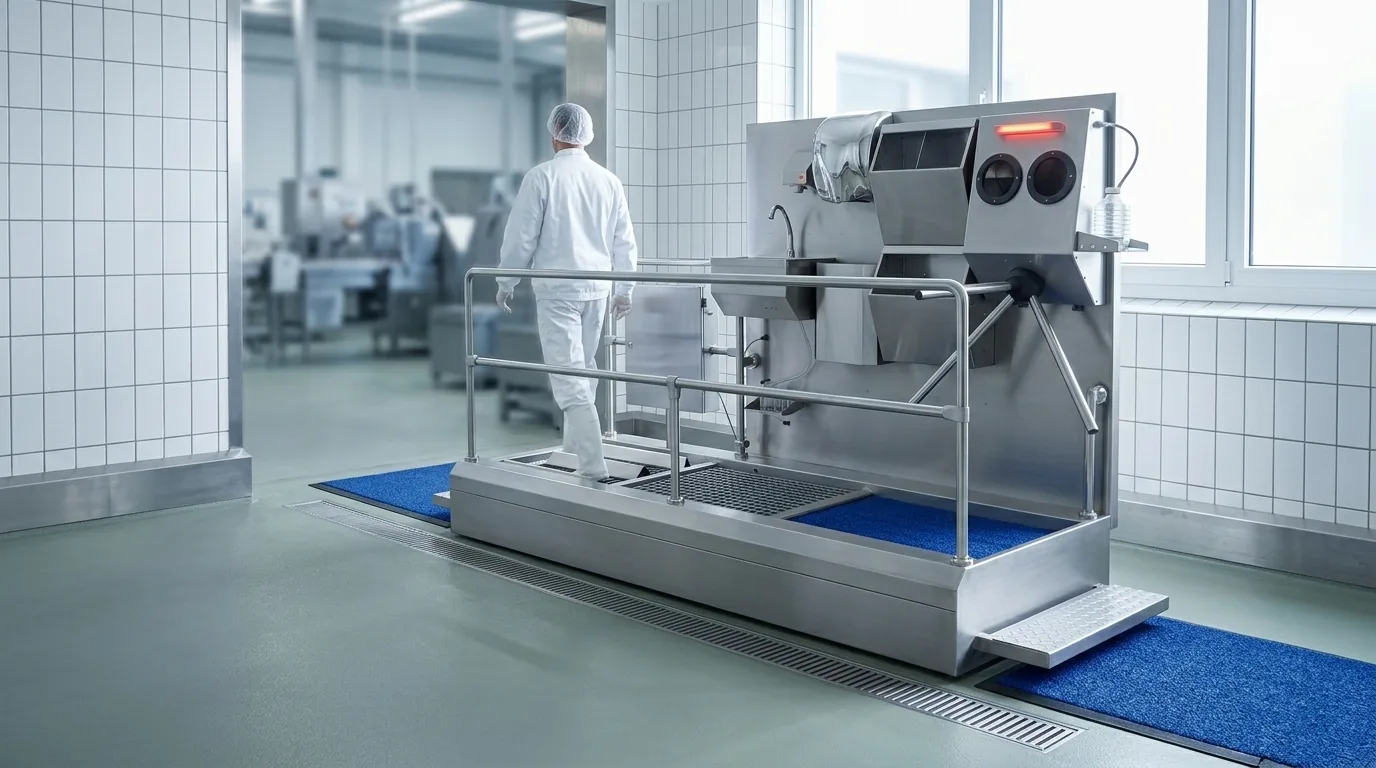
Hygiene station installation
Layout, water, drainage and power needs for hygiene station installation — a site-prep checklist.
Read more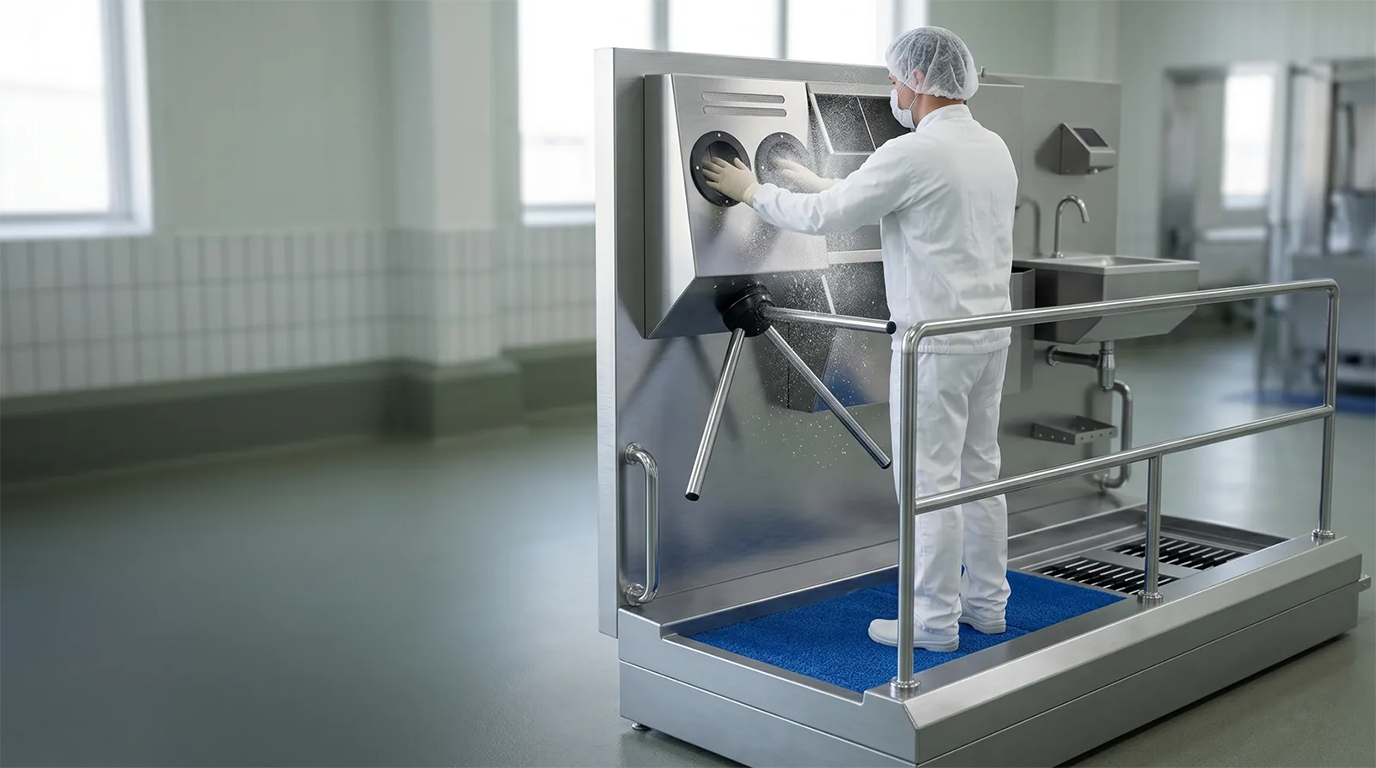
Hand washing vs disinfection
Why entry needs both washing and disinfection: the difference, the right order and the effect of wet hands.
Read more
Lifespan of stainless equipment
How long does AISI 304 hygiene equipment last? Lifespan factors, maintenance and a manufacturer’s view on warranty.
Read more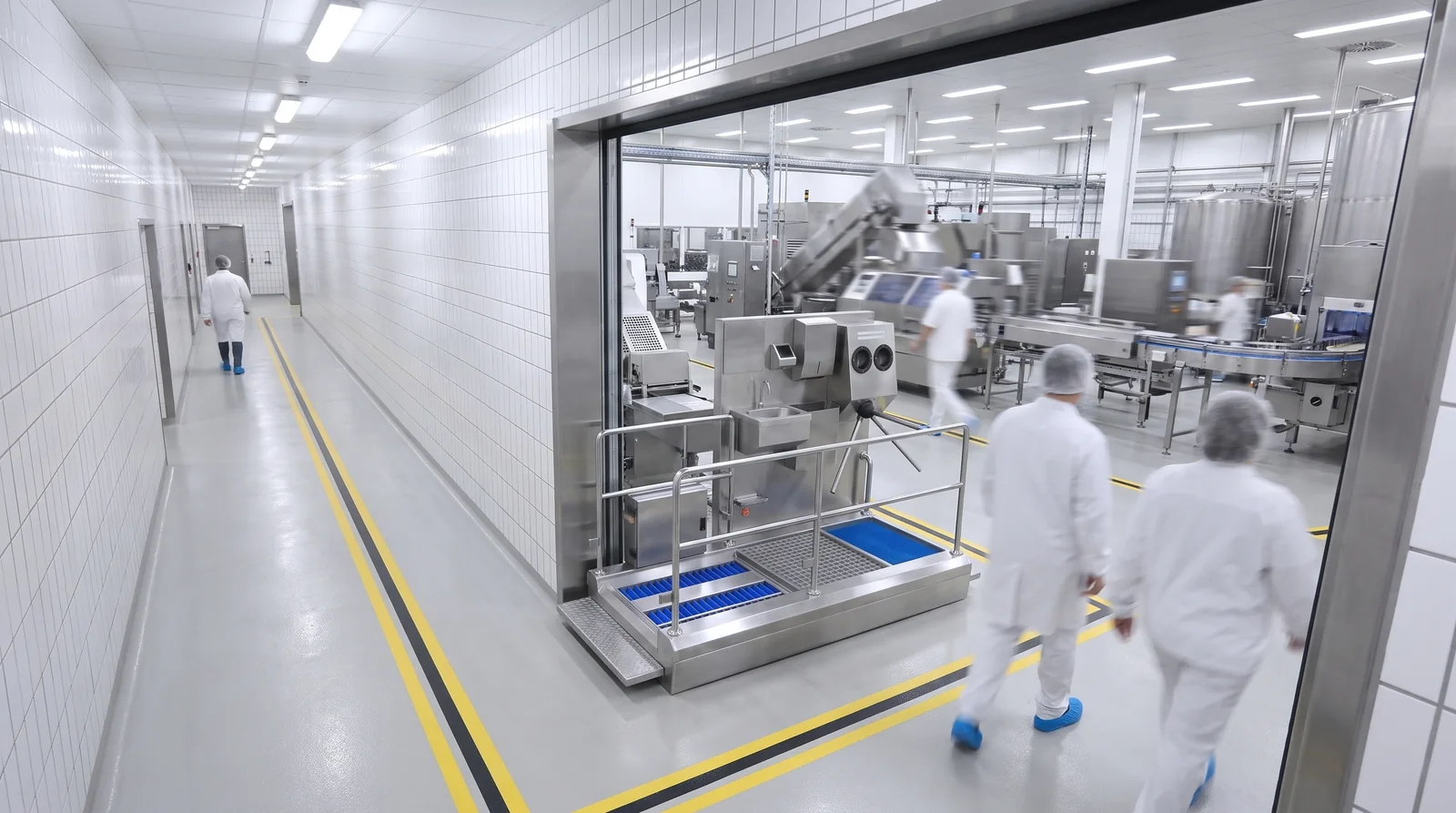
Where to place a hygiene station
Placement that maximises hygiene without disrupting flow — the ideal point between entry, changing and production.
Read more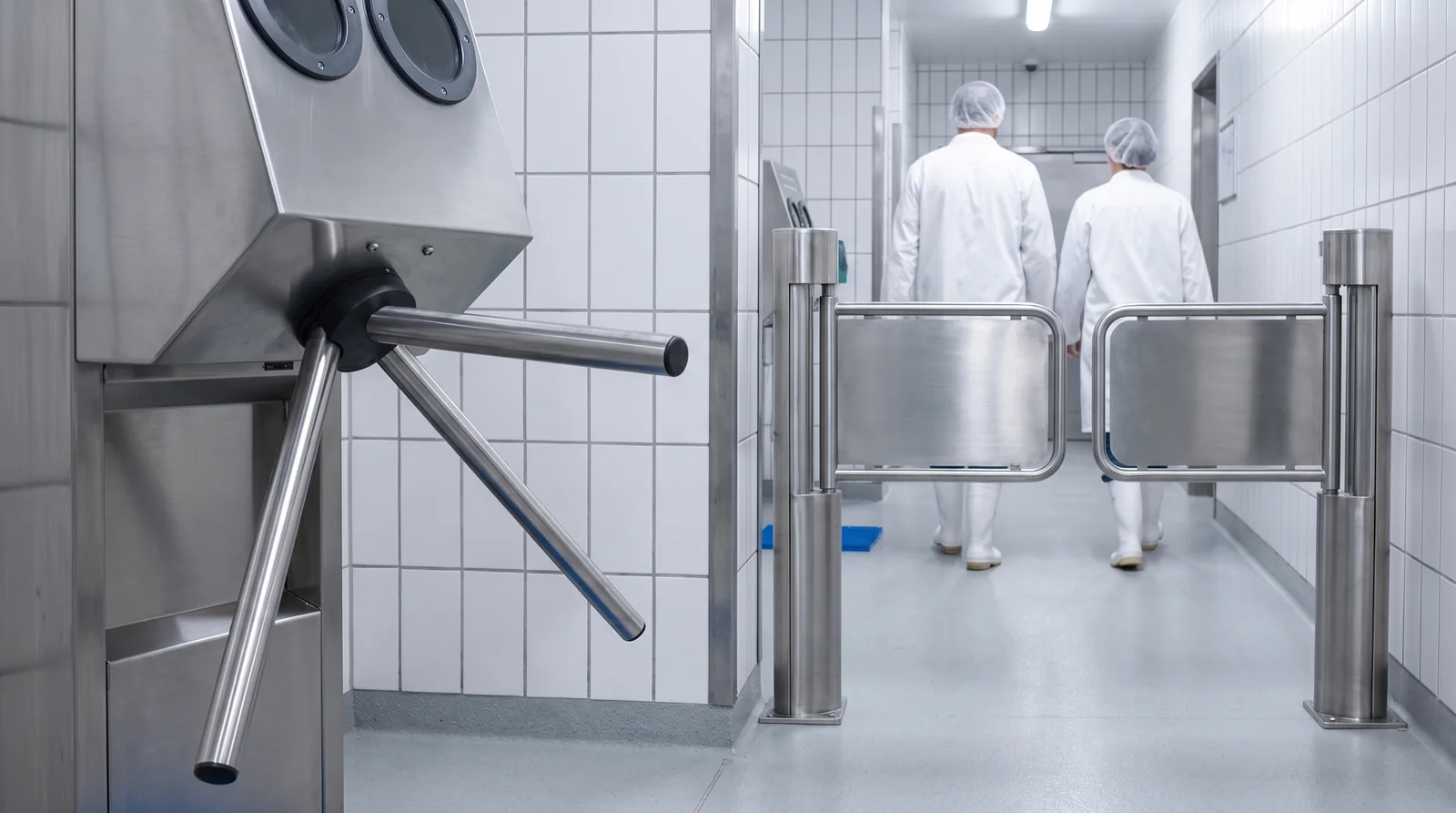
Tripod or flap turnstile?
Tripod vs flap turnstile in a hygiene station: throughput, safety and hygiene compared.
Read more
Stopping contamination at entry
Staff entry is where cross-contamination most often begins — control strategies from food to pharma.
Read more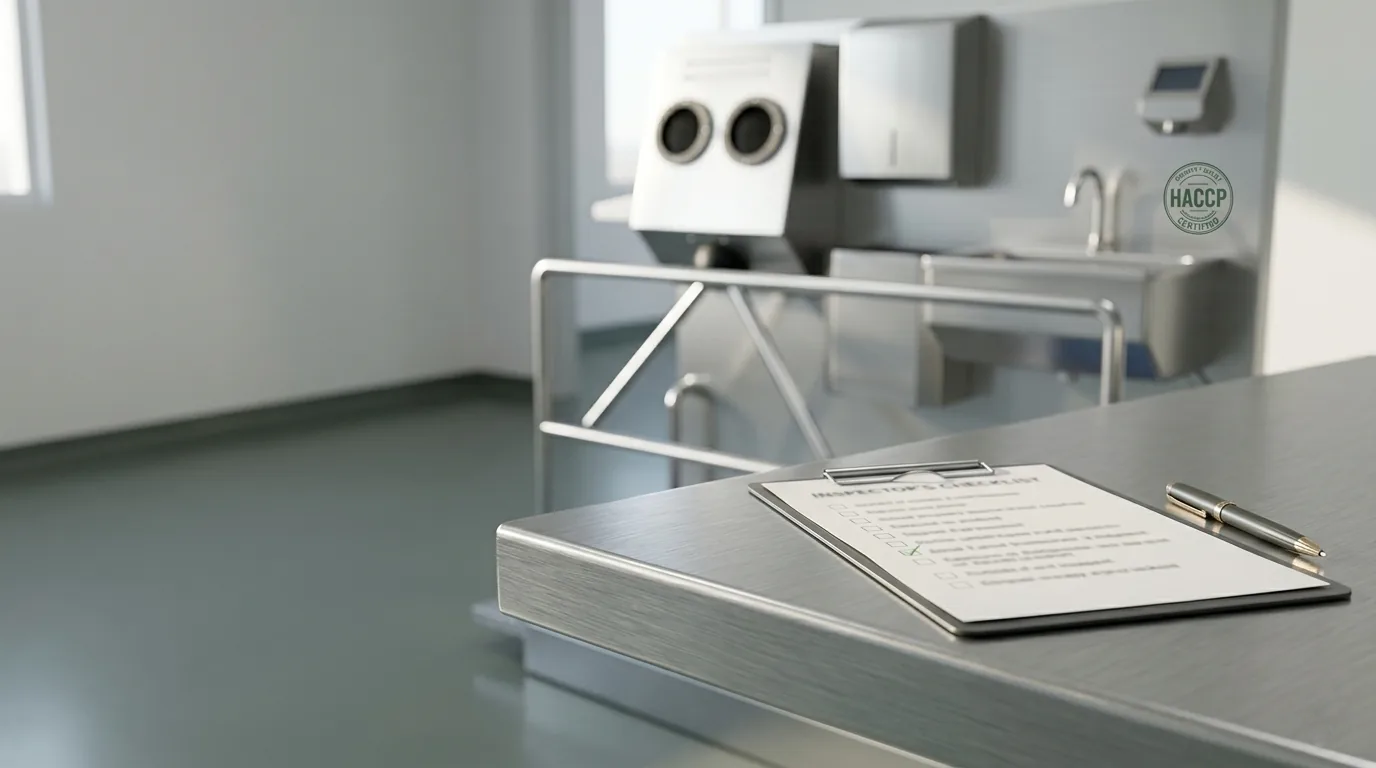
Making hygiene transit auditable
Auditable transit systems that prevent skipped hygiene steps via turnstile locks, counters and sensors.
Read more