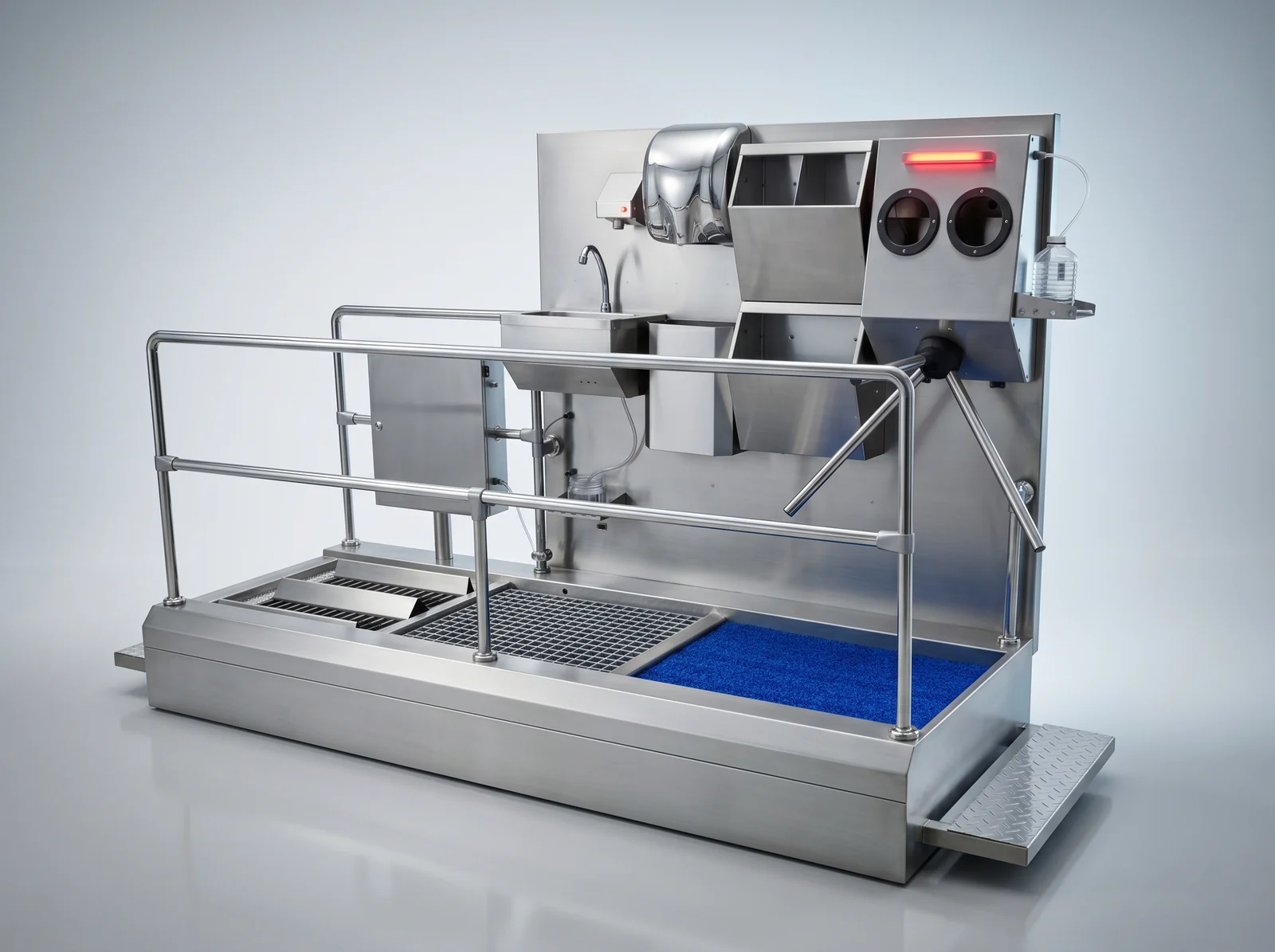
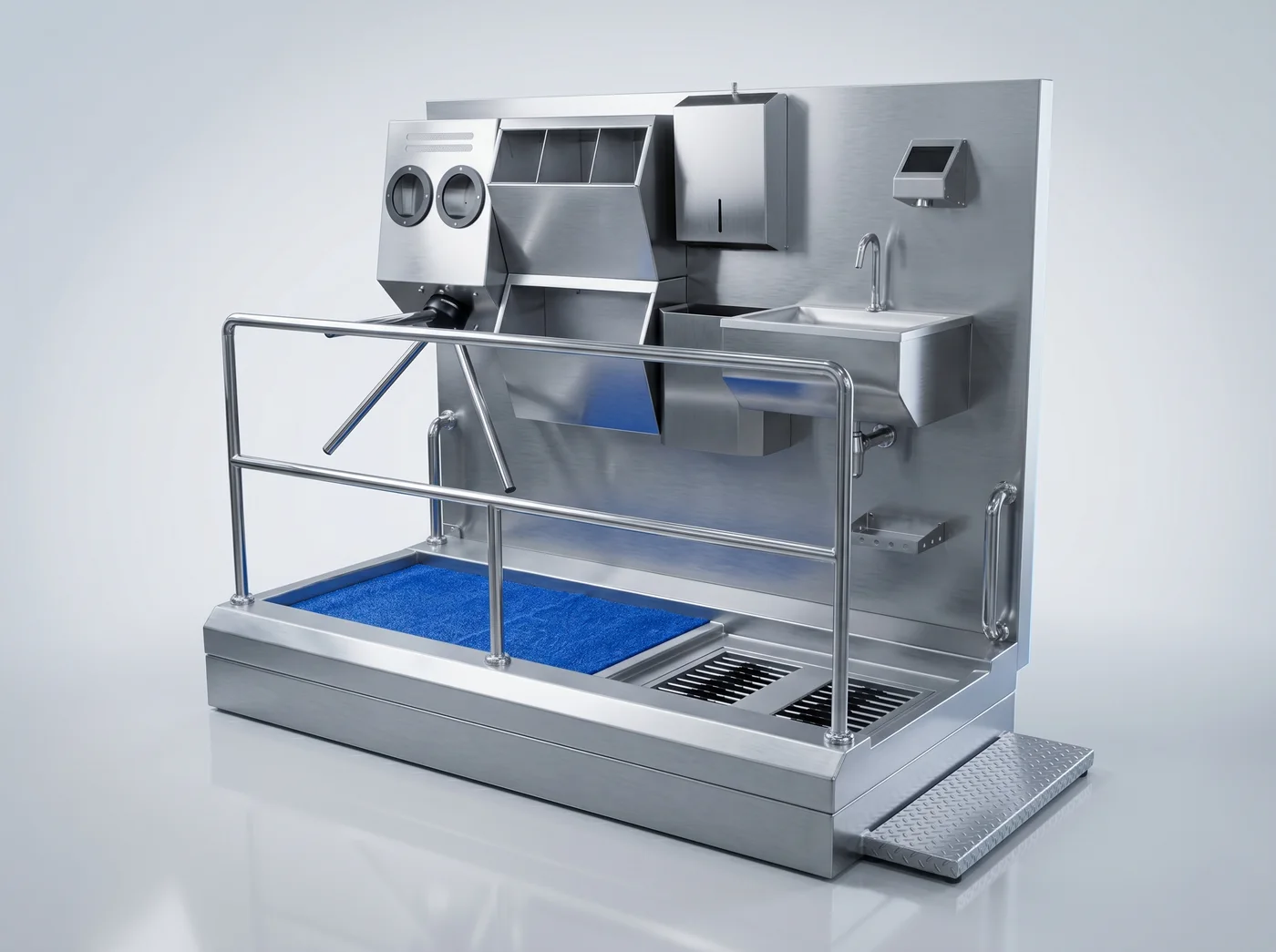
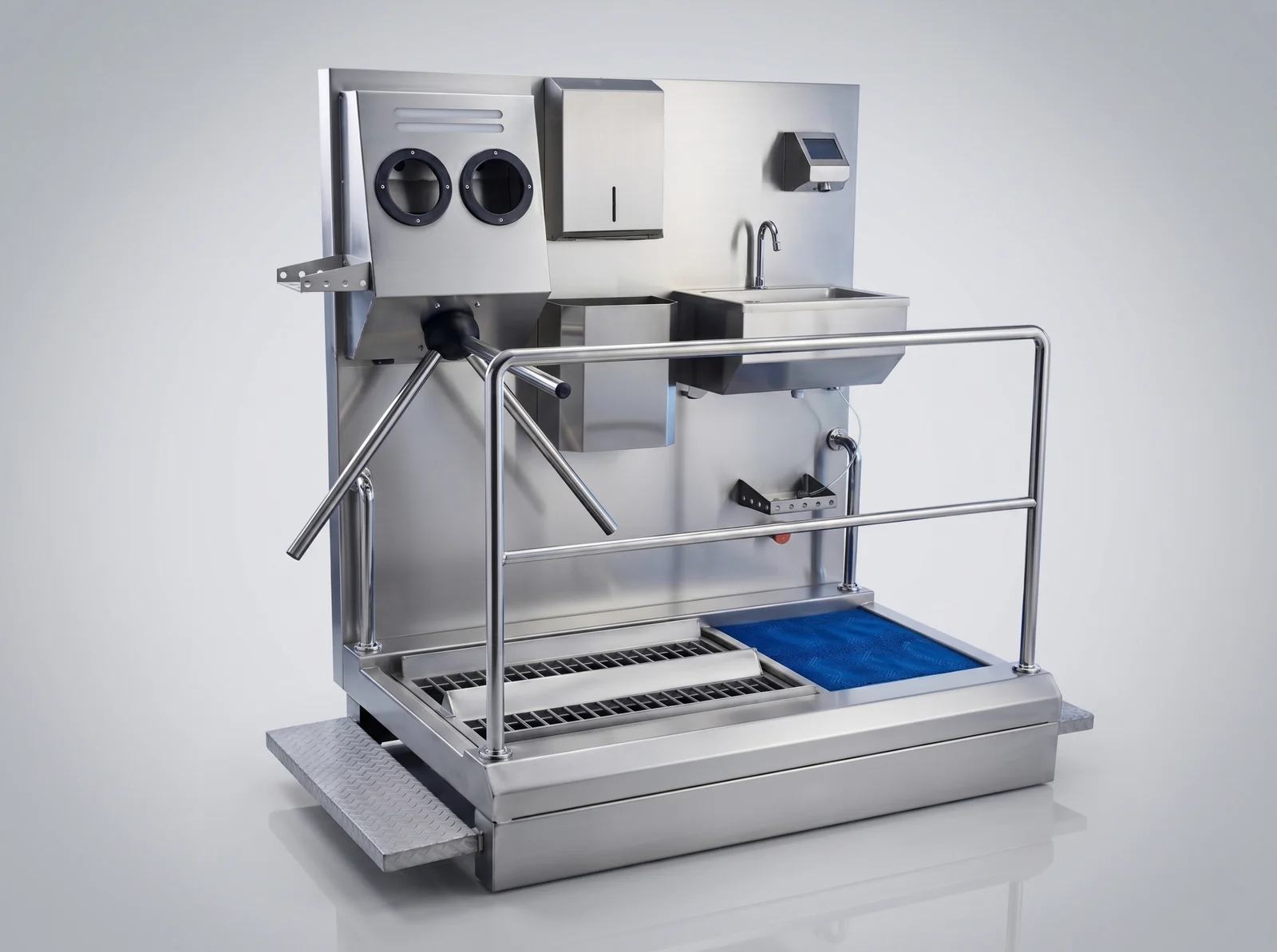
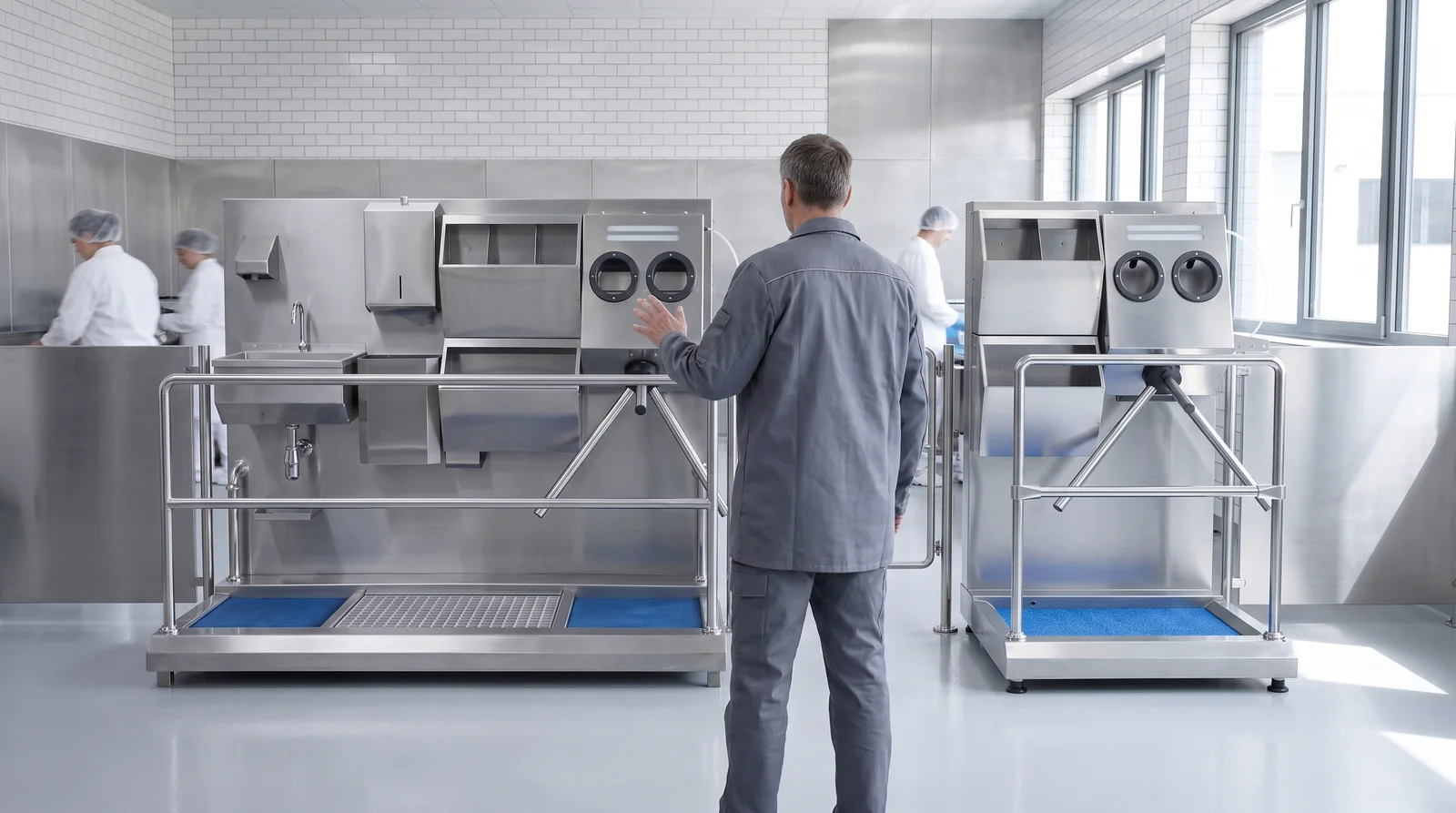
10 key points before buying
10 things to check before buying a hygiene station: material, turnstile, sensors, capacity, service and more.
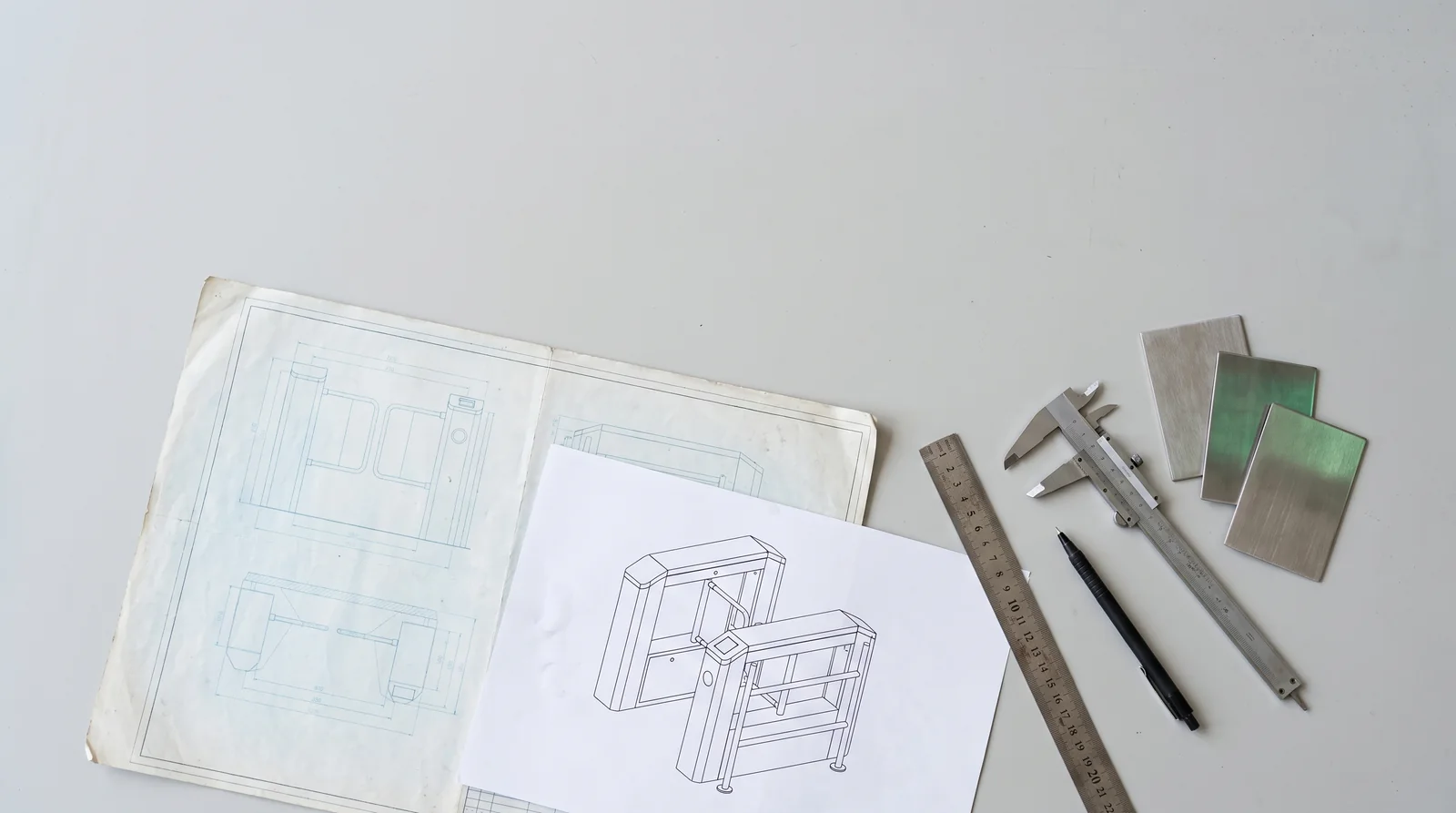
These are the 10 critical points to check when buying a hygiene station: body material (AISI 304 / 316), turnstile type, sensors and protection class (IP), capacity, boot cleaning method, installation requirements, service and warranty, the hygiene sequence interlock, audit/counter logging and the manufacturer’s experience. Because this unit will run every day, for years, in a wet and chemical-laden environment, the purchasing decision should rest on these technical details — not on price alone. Below we explain each item briefly and clearly so you can ask the right questions — keep this list at hand before requesting a quote.
The hygiene station buying checklist reduces the purchase decision to ten concrete questions: sole-cleaning method, washbasin requirement, lane count and peak flow, passage direction, body material, sensors and disinfectant dosing, water and power infrastructure, installation dimensions, cleaning and maintenance access, and warranty and spare parts. Three facts make the list worthwhile. First, the most expensive mistake is the wrong sole-cleaning method; where organic load is heavy a footbath is not enough and brushes are needed. Second, capacity is set by the hand-washing and disinfection cycle, not the catalogue turnstile speed, and is confirmed by measurement at the facility. Third, the technical sheet and the quote are only as accurate as your answers to these ten points; a missing answer means a wrong configuration. An AISI 304 washbasin-and-footbath model is the right start for a standard food entrance, a brush model for meat and poultry, a compact turnstile where only hand disinfection is needed, and a multi-lane line for busy shifts.
What should you look for when choosing a hygiene station?
When choosing a hygiene station, ten fundamental headings deserve attention — from material quality to turnstile type, from sensor protection to service support. The reason is simple: a hygiene station is not a one-off purchase but an investment in a control point that will guard the entrance of your production area for years. A wrongly configured unit either creates queues and delays the shift, corrodes within a short time, or fails to provide the records expected in an audit.
We covered what a hygiene station is and how it works earlier in our what is a hygiene station article. This guide focuses entirely on the purchasing decision: use the 10 items below as a checklist and ask your manufacturer about each one at the quotation stage.
Print the 10 items below or keep them on screen, and tick them off one by one during the quotation meeting. If an item cannot be answered clearly, that point is a risk flag for you.
10 items to check before buying
The ten headings below cover, in order, the critical questions you need to ask to choose the right hygiene station — from material to manufacturer experience:
- 1Is the body material 304 or 316? The body of hygiene equipment must be stainless steel; for a standard food and pharma personnel entrance,
AISI 304is sufficient and the right choice. In aggressive environments with constant chloride contact (heavy brine, seafood, chlorine-based washing), molybdenum-bearingAISI 316should be considered; however, 316 costs more; the difference depends on the market, alloy prices and product configuration, and is confirmed in the quote. We compare which one suits you in our 304 or 316 article. - 2Does the turnstile type suit your facility? Tripod (three-arm) turnstiles are compact and economical; flap (winged) turnstiles offer a wider passage and a smoother feel. The choice directly affects the passage time per person and therefore the queue — we compare turnstile types in our hygiene station types article.
- 3Are the sensors and protection class (IP) adequate? Because the unit will operate in a wet environment, the electronic components must have a suitable IP protection class. In areas washed down with pressurised water and hot washing, high ratings such as
IP69Kbecome important; for low-pressure cleaning,IP65can often be sufficient. The right class is determined by your facility’s cleaning method (pressurised/hot water, or low-pressure wiping); request the protection rating of the electronic components in writing at the quotation stage. - 4Is the capacity enough for your shift? The turnstile’s mechanical speed is not the line’s bottleneck; lane capacity is set by the hand-washing and disinfection cycle and confirmed by measurement at the facility. If there is heavy flow at the start of a shift, a double-lane configuration prevents queuing. We work through the correct calculation in our what hygiene station capacity do you need article.
- 5Is the boot cleaning method right? Whether the shoe sole needs mechanical boot-brush cleaning, a disinfectant footbath, or both together depends on the facility’s organic load. In high-soil facilities such as meat and poultry, physical brushing alone is more effective than disinfection alone. We cover the methods in our boot cleaning: brush or footbath article.
- 6Do the installation requirements match your site? Units with a washbasin require a clean water supply and a drain connection; the sensor-operated tap, dosing and turnstile control require electricity (typical supply 220 V · 50 Hz). Clarify the passage width, floor drainage and door/corridor dimensions before the quotation; these dimensions determine the right configuration and a trouble-free installation.
- 7Are service and warranty clear? Since the unit will run every day, spare-part supply, service response time and warranty coverage matter at least as much as the equipment itself. The sensors, dosing pump and turnstile mechanism need maintenance over time; ask whether these parts can be supplied locally and quickly. Always confirm the written warranty period and what it covers.
- 8Is the hygiene sequence really locked (interlock)? What separates a hygiene station from an ordinary turnstile is that the turnstile does not open until the steps are completed. The word "sensor-equipped" alone is not enough; verify that the sensors actually validate the steps and lock the turnstile (interlock logic). Otherwise personnel can skip the steps and pass through, and the system remains merely decorative.
- 9Can audit and counter records be obtained? Being able to count and log passages provides concrete evidence in audits such as HACCP, BRCGS and IFS. Ask whether the unit can provide a counter/logging output; even if this feature is not needed today, it will be valuable later in terms of the relationship between HACCP and the hygiene station.
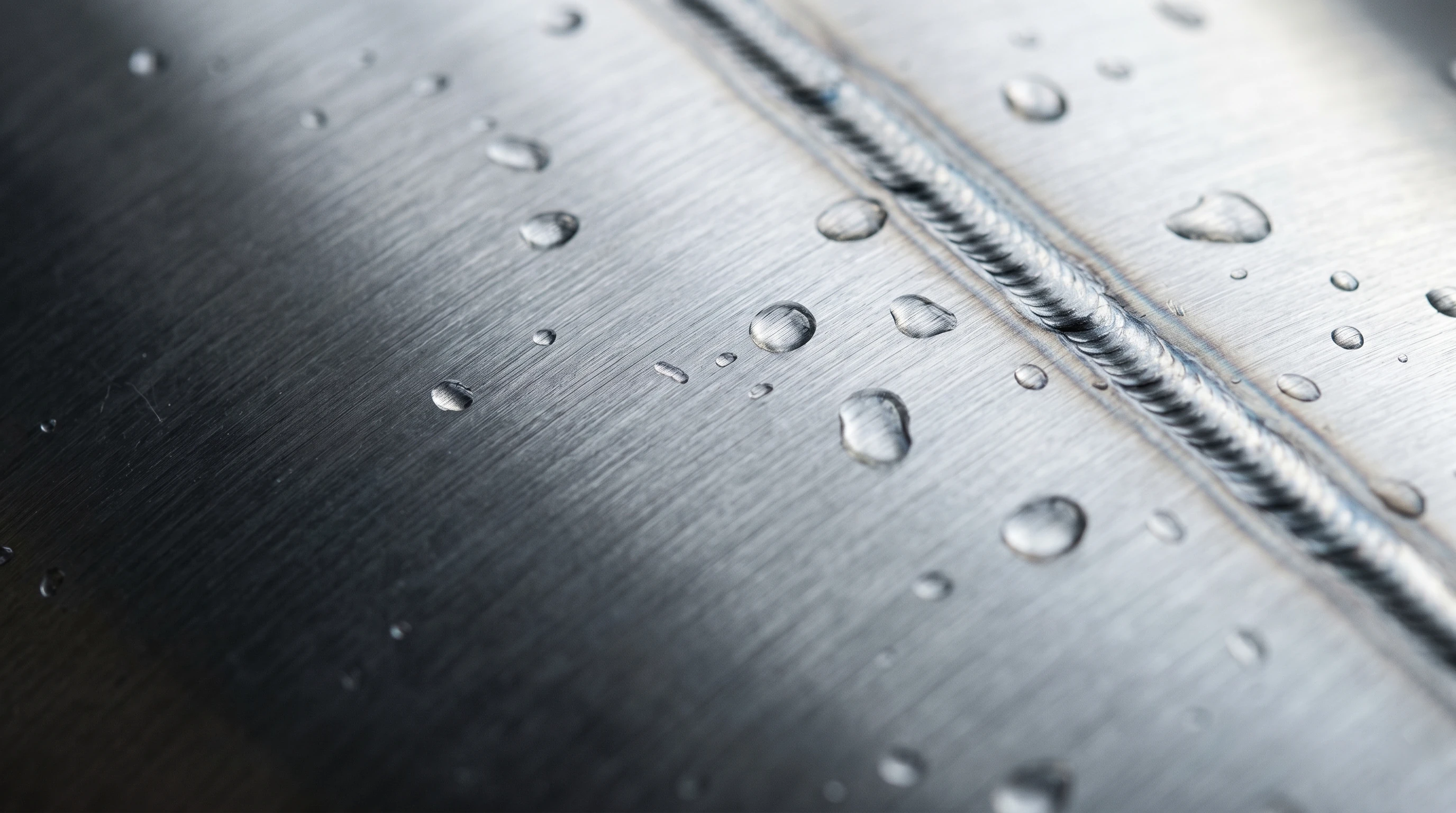
- 10Does the manufacturer have experience and references? A hygiene station is a product that demands manufacturing precision; weld quality, surface workmanship and installation accuracy are directly tied to the manufacturer’s experience. Find out how many years they have been producing, whether they have installations in similar facilities and whether they provide on-site support. An experienced manufacturer sets up the right configuration for you from the start.
For most personnel entrance hygiene applications, AISI 304 is the right choice; 316 is only necessary for special environments with a high chloride load. The key difference between the two is the roughly 2–3% molybdenum that 316 contains; this element markedly increases resistance to pitting and crevice corrosion in chloride-bearing environments. The table below summarises the choice:
In short, the material decision should be driven not by price but by your facility’s cleaning regime and chloride contact. For why stainless steel is the standard in hygiene and the technical differences between 304 and 316, see our why AISI 304 stainless steel article.
How do these points affect the price of a hygiene station?
Almost all of the ten items above directly affect the price — which is why comparing a single list price is misleading. Whether the unit has a washbasin or not, how many lanes, which boot cleaning method, 304 or 316, which sensor/automation level and which protection class you choose all shape the total cost. So when comparing two quotes, make sure you are talking about the same configuration.
We have listed all the factors that affect the price in detail in our factors affecting the price of a hygiene station article; requesting quotes for the same configuration keeps the comparison sound.
It is not the cheapest quote that wins, but the configuration that best fits your facility’s flow and cleaning regime.
Conclusion: the right unit by asking the right questions
Choosing a hygiene station is less about finding the right product than about asking the right questions. Material, turnstile, sensor/IP, capacity, boot cleaning, installation, service/warranty, the interlock, audit records and manufacturer experience — once these ten headings are clear, you end up with a unit that both meets today’s needs and runs trouble-free for years. Share your facility’s flow with us; let us determine the right configuration together and prepare a quote tailored to you.
Frequently asked questions
What is the most important criterion when choosing a hygiene station?
It is not a single criterion but several headings assessed together that matter: the body material (usually AISI 304), the turnstile actually locking (interlock), the capacity being sufficient for the shift, and service/warranty support. These four are the fundamental points that determine both the unit’s hygiene function and its long service life.
Should I choose 304 or 316 for a hygiene station?
For a standard food and pharma personnel entrance, AISI 304 is sufficient and the right choice. In aggressive environments with constant chloride contact (seafood, heavy brine or chlorine-based disinfection), 316, which contains molybdenum, is considered; the difference depends on the market, alloy prices and product configuration, and is confirmed in the quote.
Why does the IP protection class matter, and which rating is needed?
Because the unit operates in a wet environment, the electronic components must be protected against water ingress. In areas washed down with pressurised, hot water, high ratings such as IP69K become important, while in environments cleaned at low pressure IP65 can often be sufficient. The right class is determined by your facility’s cleaning method.
Are a "sensor-equipped turnstile" and a "locked (interlock) turnstile" the same thing?
No. A sensor detects that a step has been performed; the interlock keeps the turnstile closed until the steps are completed. In a genuine hygiene station the sensors lock the turnstile, so personnel cannot pass by skipping the hygiene steps. Verify that this locking logic actually works before you buy.
What should the warranty and service cover on a hygiene station?
The written warranty period and its scope should be clear, and spares for parts such as the sensors, dosing pump and turnstile mechanism should be quickly available. Since the unit will run every day, we recommend confirming the service response time and local spare-part access at the quotation stage.
Why is the manufacturer’s experience so important in the choice?
A hygiene station is a fabricated product that demands weld quality, surface workmanship and installation accuracy. An experienced manufacturer sets up the right configuration from the start, provides on-site support and can sustain long-term service. Asking how many years they have been producing and about their references in similar facilities is a sound step.