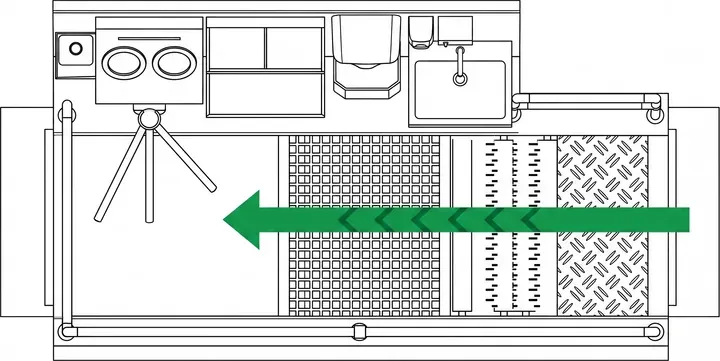
Hygiene barrier maintenance
Daily, weekly and periodic maintenance for long life: surface cleaning, refills and sensor checks.
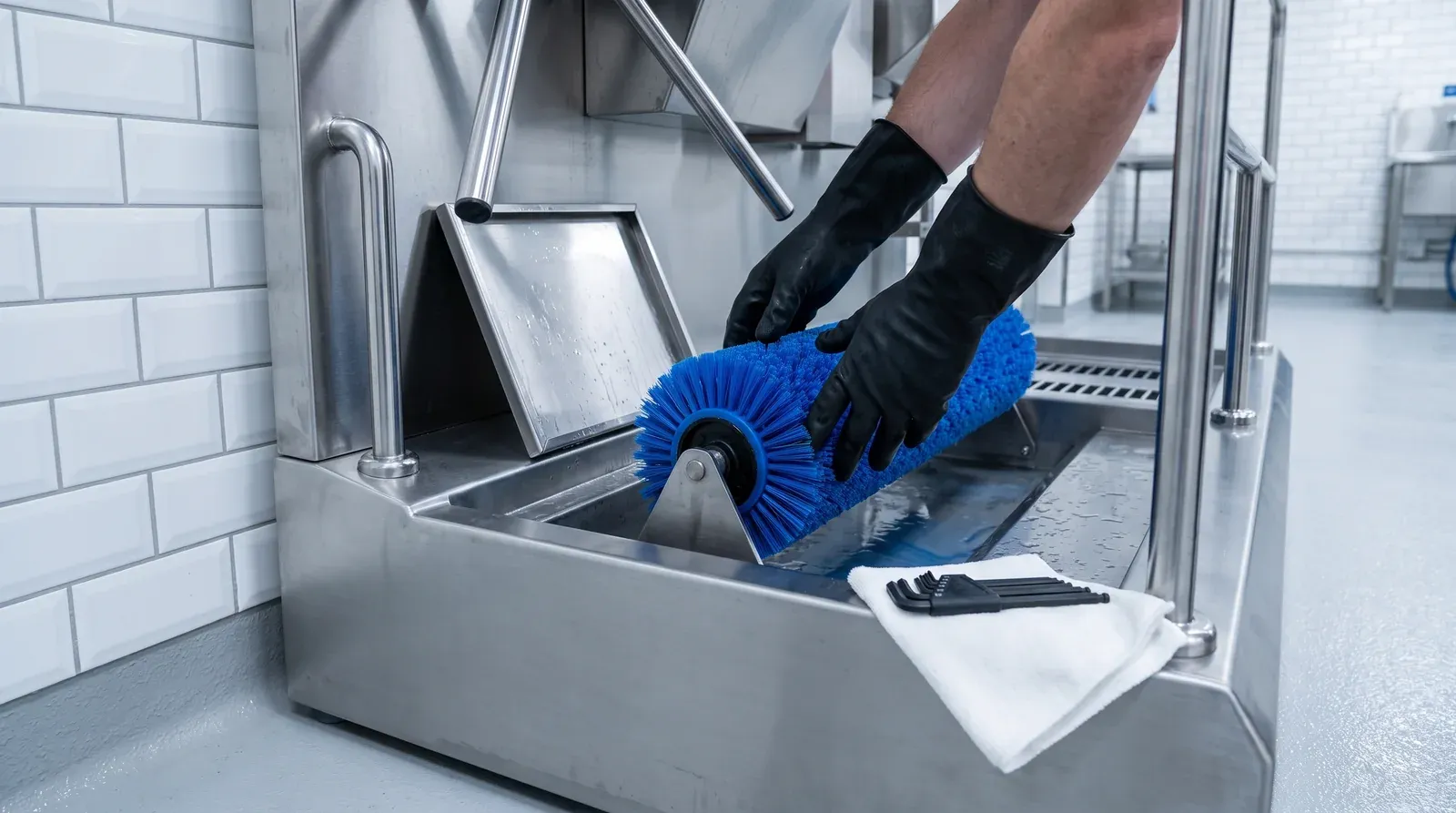
Hygiene barrier maintenance is routine and simple; do three things regularly and the unit will run for years as it did on day one: clean the stainless surface with the right chemical, refill the soap and disinfectant reservoirs before they run empty, and periodically check the sensors and the turnstile mechanism. In this article we lay out the daily, weekly and monthly steps as checklists, and explain why and how to avoid the most common mistake that shortens the life of stainless steel — the use of chlorine/bleach-based cleaners. If you operate an existing Umran unit, these steps are a practical maintenance schedule that also protects your warranty.
Why does hygiene barrier maintenance matter?
Because a hygiene unit that is not maintained loses its function silently. A clogged disinfectant nozzle stops dosing, a photocell tap covered in limescale responds late, and a stainless surface wiped with the wrong chemical starts to stain and corrode. None of these stop the unit completely; they merely lower its hygiene effect and create problems in audits. Regular maintenance protects both the unit’s hygienic function and the long life of the stainless body.
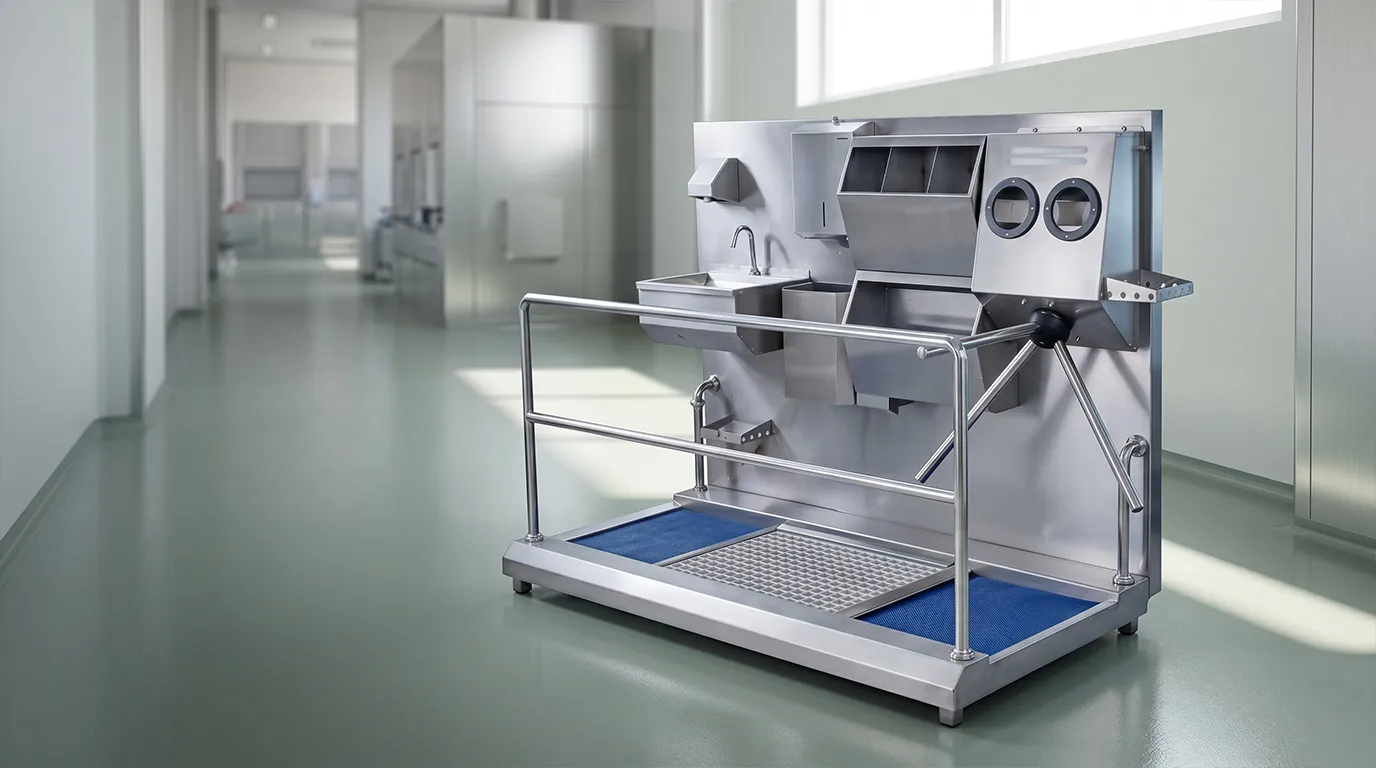
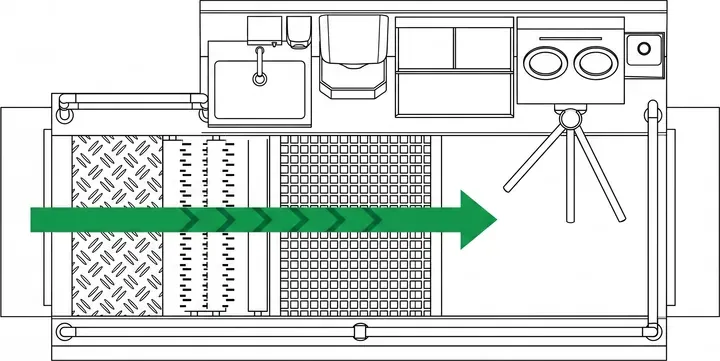
The good news: hygiene barrier maintenance is not a specialist job. Adding a few simple steps to the cleaning crew’s end-of-day routine, plus periodic checks of the dosing and mechanical parts, is enough. If you would like a refresher on which components a hygiene barrier consists of, see our what is a hygiene barrier article; the maintenance schedule below covers each of these components.
What should daily maintenance include?
Daily maintenance is a short routine performed at the end of every shift or day, and it usually takes 5–10 minutes. The aim is to remove the organic residue, soap/disinfectant drips and surface dirt that build up during the day, keeping the unit hygienic. A standard daily checklist looks like this:
- 1Wipe the stainless surfaces — clean the surface with warm water and a neutral (pH-neutral) detergent, using a soft cloth.
- 2Rinse the washbasin and tap — rinse with plenty of water to remove soap/disinfectant residue, then dry.
- 3Check the soap and disinfectant levels — top up the reservoirs before they run out, so they are full at the start of the shift.
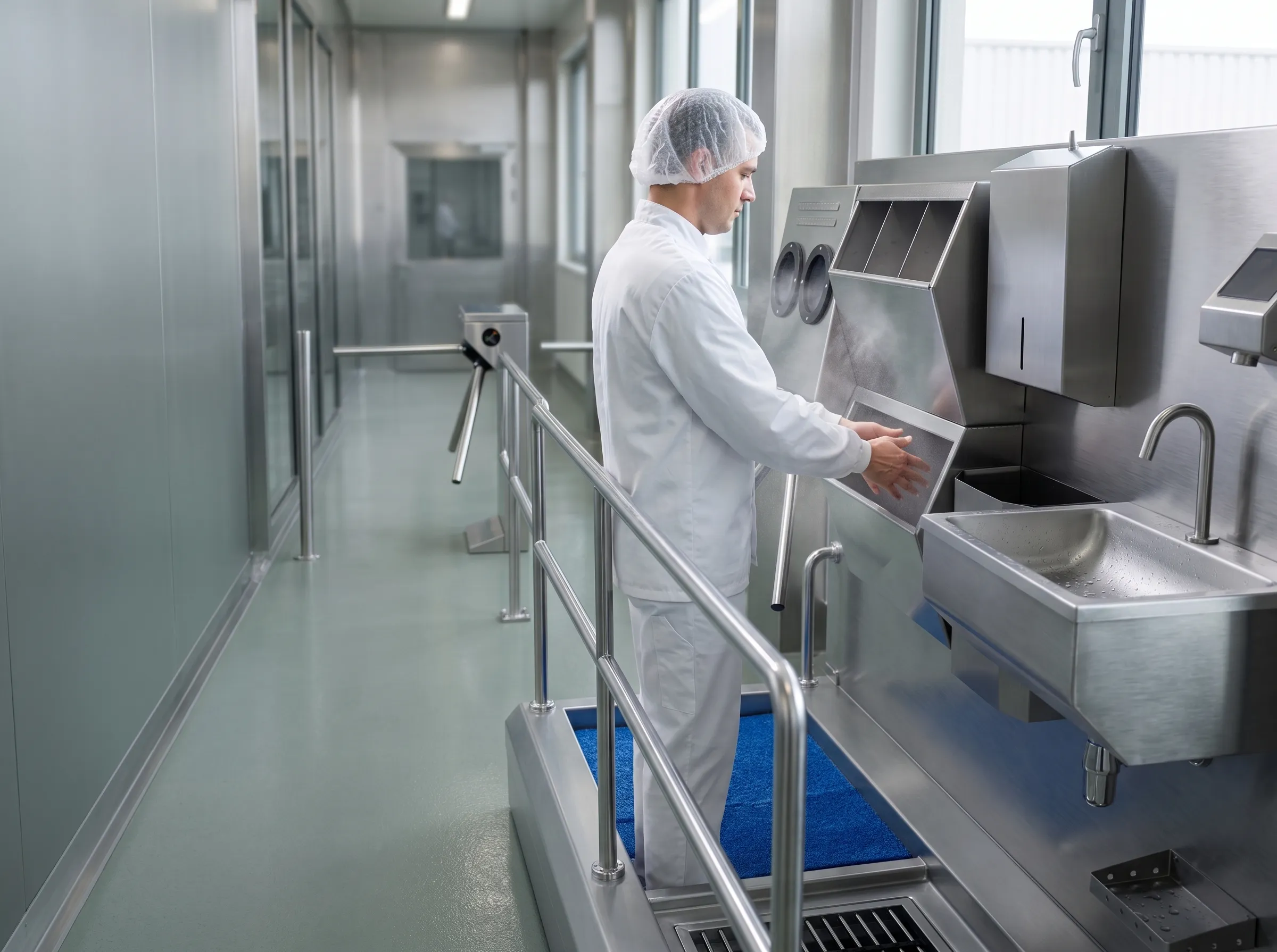
- 4Empty/clean the boot washing section — remove the mud, soil and organic residue from the boot-brush grate or footbath; in footbath systems, refresh the disinfectant solution.
- 5Leave it dry — after wiping, let the surface air-dry; standing water and moisture are the main triggers of staining and corrosion.
What damages the thin chromium-oxide (passive) layer that protects stainless steel most is the chloride ion. Bleach (sodium hypochlorite) and chlorine-based disinfectants initiate pitting corrosion on an AISI 304 surface. If you had to use a chlorinated product, rinse immediately and generously, then dry — leave no chloride residue on the surface. Preferably use chloride-free cleaners suitable for stainless steel.
How is a stainless surface cleaned correctly?
Cleaned with the right method, stainless steel handles decades of maintenance with ease; the wrong method scratches the surface irreversibly or opens it up to corrosion. The basic principle: soft equipment, neutral chemicals, wiping along the grain and thorough rinsing. The table below summarises the dos and don’ts:
Abrasives such as steel wool and wire brushes leave micro-scratches on the surface; these scratches both trap dirt and weaken the passive layer, opening the door to corrosion. For stubborn limescale or water stains, a stainless-appropriate cleaner or a dilute white vinegar solution (with thorough rinsing after application) is usually enough. If you are curious why stainless steel is so durable and what separates 304 from 316, our 304 or 316 article covers the subject in technical detail.
Stainless steel is not steel that “cannot rust” but steel that “resists rusting”; what makes it rust is almost always incorrect cleaning.
How are soap and disinfectant refills done?
Refill the reservoirs at regular intervals, before they run completely empty; an empty disinfectant unit silently takes the hygiene step out of service. The points to watch during refilling keep the unit unclogged and running smoothly:
- Use the right product — in automatic (touchless) dispensers use free-flowing liquid soap and hand disinfectant of a suitable viscosity; thick, gel-type products clog the nozzle and the pump.
- Do not mix — drain the residue before adding chemicals of a different brand/type to the same reservoir; incompatible products can clump and lock up the pump.
- Keep the reservoir mouth clean — wipe up soap/disinfectant that overflows during refilling; dried residue builds up around the sensor and nozzle.
- Check the levels at the start of the shift — make sure the reservoirs are full, especially before busy entry hours.
If the nozzle or pump delivers a weak flow, the problem is most often dried residue: removing the nozzle and rinsing it with warm water, or flushing the system once with warm water, restores the flow. Hand washing and hand disinfection play different roles in the hygiene chain; you can read when each is required in our hand washing or disinfection article.
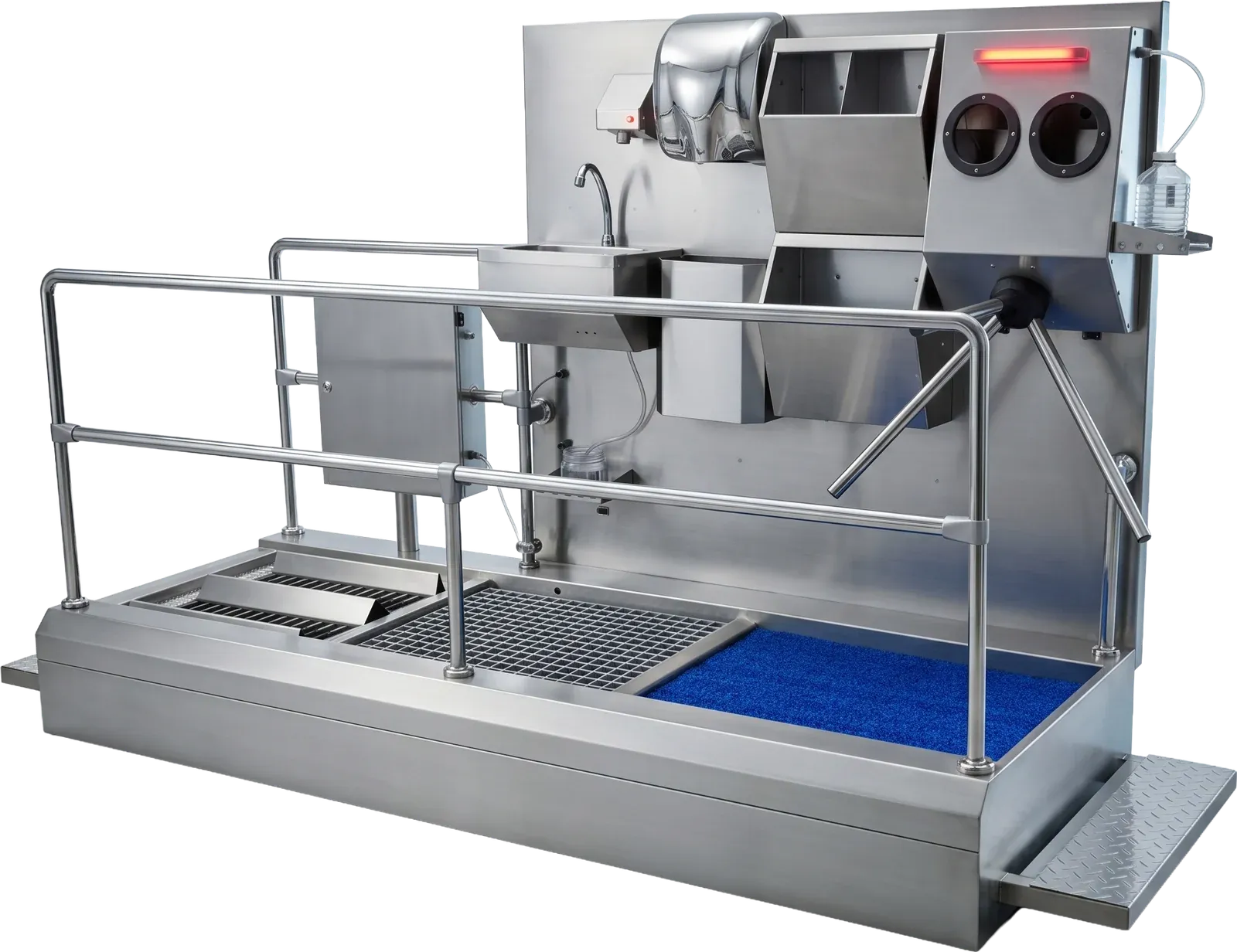
How are the sensors and photocells checked?
Sensors and photocells work correctly when their surfaces are kept free of residue; their maintenance essentially amounts to regular, gentle wiping. The touchless tap, the automatic disinfectant and the turnstile verification all rely on these optical sensors — a dirty or fogged sensor responds late or not at all. The weekly checklist:
- 1Wipe the photocell/sensor windows with a soft, slightly damp cloth; remove soap and limescale residue.
- 2Do not spray aggressive chemicals or high-pressure water directly at the sensor area; protect the optical surface and the electronics.
- 3Test the touchless tap by bringing your hand close; if the response is delayed, clean the window and try again.
- 4Trigger the disinfectant sensor and observe the dose being delivered; if no dose comes, first check the reservoir level and the nozzle.
- 5Look for visible moisture, looseness or damage on the cables, plugs and control box.
Even though the sensors in hygiene units usually carry a high protection rating (such as IP69K), aiming pressurised water directly at the connection points is not good practice. We explain what the protection rating means in our what is IP69K article.
What maintenance does the turnstile mechanism need?
The turnstile mechanism needs little maintenance, but it should not be neglected, because the correct operation of the interlock logic is the foundation of passage control. The arm/head section, the locking mechanism and the electronic control of the tripod or flap turnstile should be reviewed periodically:
- Test the movement — check that the turnstile rotates without catching in the free direction and stays locked until the hygiene step is completed.
- Keep the mechanism clean — wipe off the dirt, splashed soap and moisture residue around the arm and shaft area.
- Tighten loosened connections — periodically check the floor anchoring and the arm screws; a loose installation reduces both safety and service life.
- Consult the manufacturer if lubrication is needed — not every mechanism is the same; get the manufacturer’s recommendation for the right points and product.
If you are curious how the turnstile type (tripod, flap) affects maintenance and capacity, our hygiene barrier types and models article will help. If you notice an unusual noise in the mechanism, a persistent lock fault or an electronic failure, the right course is to contact the manufacturer rather than attempting to dismantle it yourself.
What is checked in weekly and periodic maintenance?
Beyond daily cleaning, more comprehensive checks at weekly and monthly/quarterly intervals secure the unit’s long service life. The schedule below is a practical framework for keeping an existing unit trouble-free:
This schedule is a starting point; in facilities with a high organic load, such as meat, poultry or seafood, the washing regime is more intensive and the frequency should be increased. Alongside regular maintenance, what really determines a unit’s longevity is the right material: with correctly selected stainless steel and a maintenance regime that keeps chloride away, a hygiene unit delivers years of trouble-free service.
What are the tips for extending the unit’s life?
The secret to long life is not expensive maintenance but a few simple habits. The points below keep your unit at day-one performance for years:
- Stay away from chloride — this single habit removes the most common cause of stainless steel corrosion.
- Leave no residue — rinse after every cleaning and refill; dried chemicals cause both staining and clogging.
- Keep it dry — remove standing water; moisture feeds both corrosion and electronic failure.
- Fix problems while they are small — weak flow, a slow sensor response or a minor lock issue is cheap to resolve when addressed before it grows.
- Stay in touch with the manufacturer — for spare parts, the right chemicals and service, your manufacturer is the most reliable source.
At Umran Makine, we stand behind the units we deliver when it comes to maintenance, spare parts and service. When you have a question about your unit, or if you are planning a new line, you can contact us for a quote and ask for support on the right maintenance regime.
Frequently asked questions
Can I clean the hygiene barrier with bleach?
Not recommended. Bleach (sodium hypochlorite) and chlorine-based disinfectants damage the protective passive layer on an AISI 304 stainless surface and can initiate pitting corrosion. If you had to use a chlorinated product, rinse immediately with plenty of water and dry; wherever possible, prefer chloride-free cleaners suitable for stainless steel.
How often should a hygiene barrier be cleaned?
Surface cleaning and reservoir checks should be done daily (end of every shift/day), sensor cleaning and nozzle/turnstile checks weekly, and dosing flushes and connection checks monthly. In facilities with a high organic load, such as meat, poultry and seafood, this frequency should be increased.
What should I wipe the stainless surface with?
Wipe along the surface grain with warm water and a neutral (pH-neutral) detergent, using a soft or microfibre cloth. Steel wool, wire brushes and abrasive sponges scratch the surface and open it up to corrosion, so they should not be used. Rinsing and drying after wiping helps the passive layer renew itself.
The disinfectant dispenser is not dosing — what should I do?
First check the reservoir level. If it is full, the problem is usually a nozzle or pump clogged with dried residue: remove the nozzle and rinse it with warm water, or flush the system once with warm water. Instead of thick/gel-type products, use a free-flowing product suitable for automatic dispensers. If the problem persists, consult your manufacturer.
What should I pay attention to when cleaning the sensors?
Wipe the photocell and sensor windows with a soft, slightly damp cloth; remove soap and limescale residue. Do not aim aggressive chemicals or pressurised water directly at the sensor area. If the touchless tap or the disinfectant responds late, the cause is most often a dirty sensor window.
Does the turnstile need lubrication or servicing?
The turnstile mechanism needs little maintenance; regularly testing its movement, wiping off dirt/moisture residue and tightening loosened connections is enough in most cases. Since the lubrication points and the product vary by mechanism, get the manufacturer’s recommendation; in case of an unusual noise or a persistent lock fault, call for service rather than dismantling it yourself.